
Activity in brief
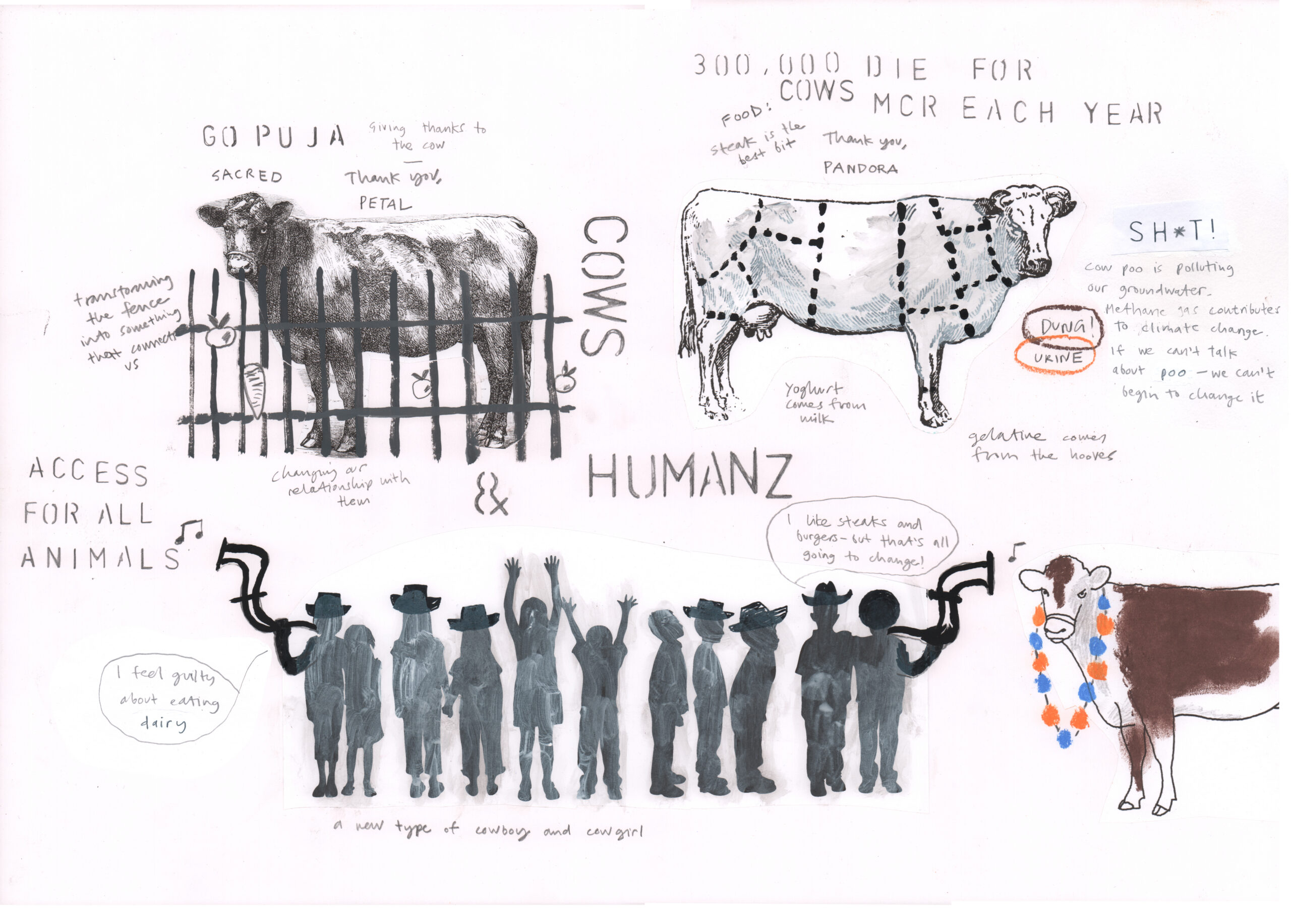
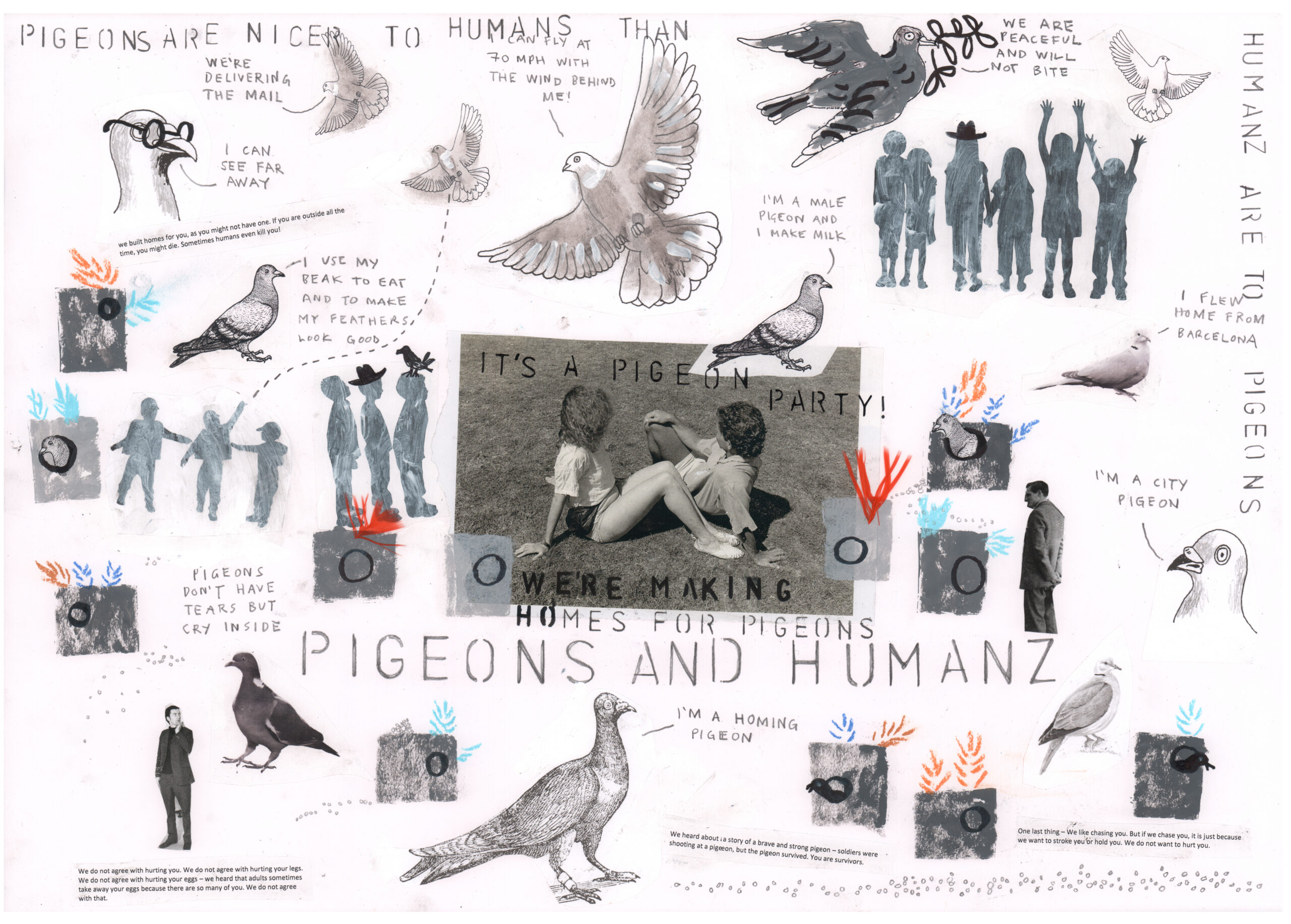
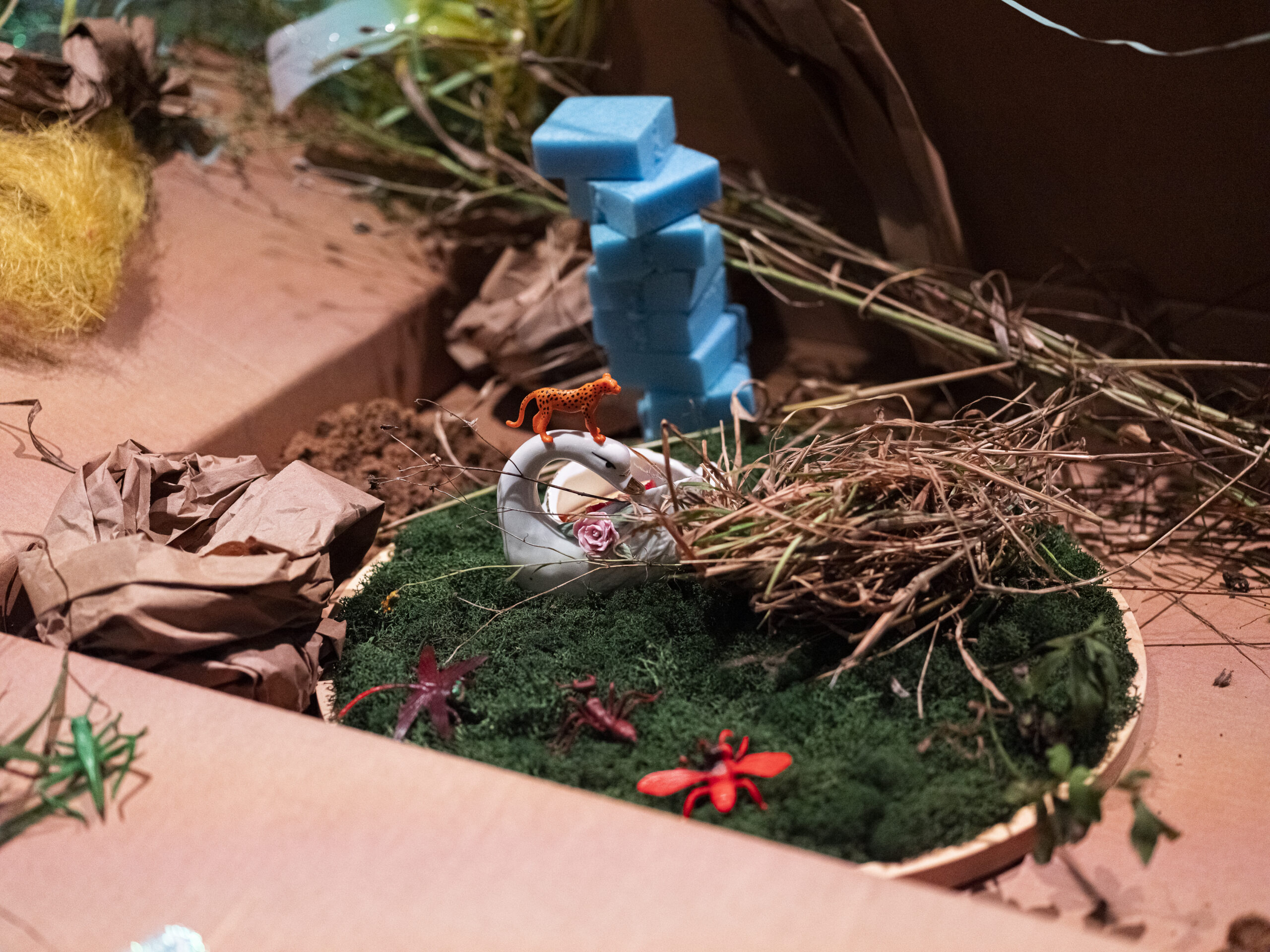
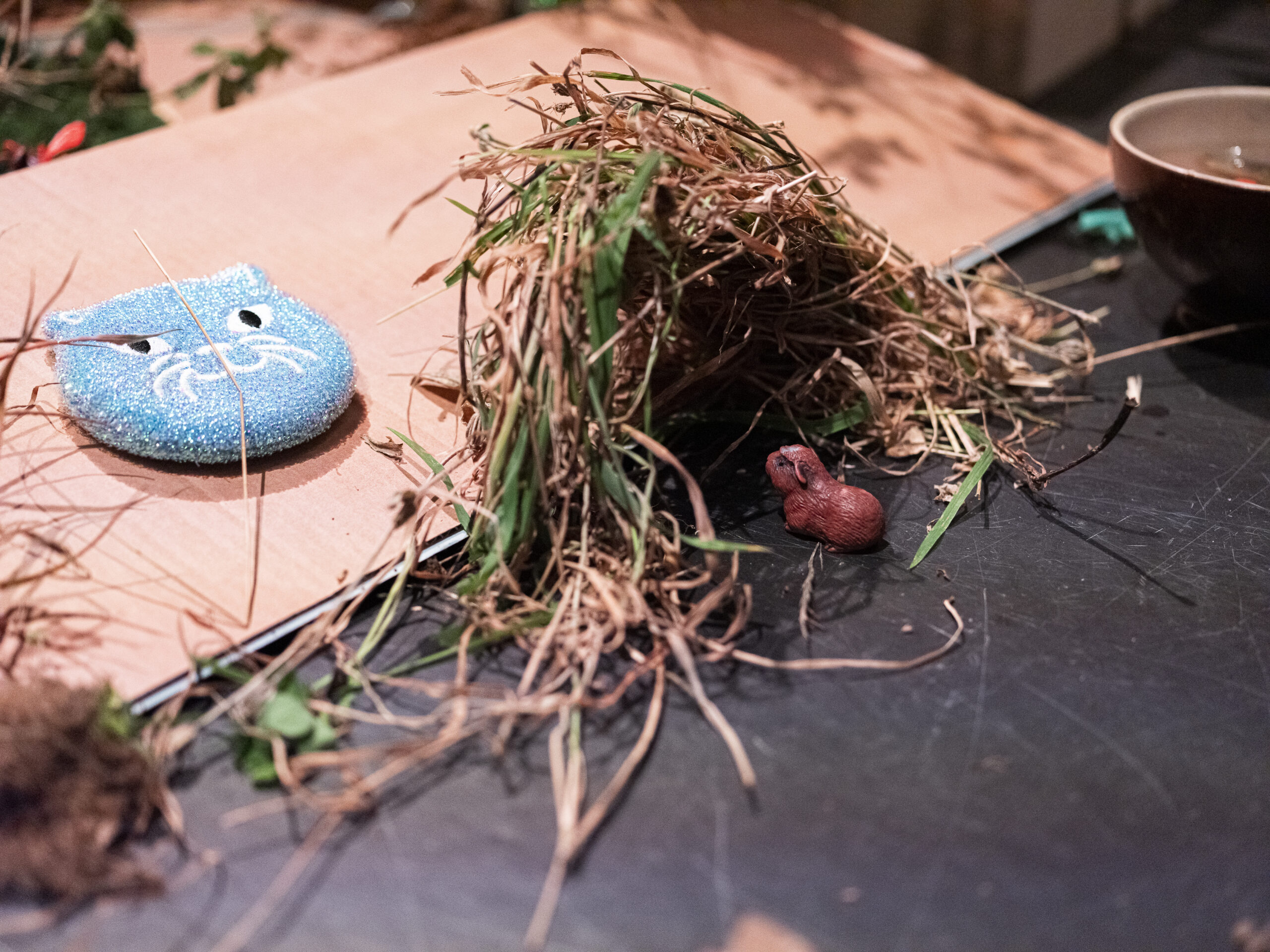
Participants choose an animal they would like to co-live with and discuss the pros and cons of that experience. Activity is mostly the thought experiment and all is done through communication. Discussions will include what challenges might arise, what environmental changes would be needed, and how to build a sustainable ecosystem.
Detailed instructions
The Animal Residency activity encourages creative problem-solving, environmental awareness, and interdisciplinary thinking.
It incorporates topics in biology (ecosystems & biodiversity); technology (digital documentation and moving image) and visual arts (collage making).
Using design thinking, participants explore how to redesign inclusive environments for human-animal coexistence.
This activity helps participants imagine a future where humans and animals share spaces more closely.
Introduction
- Start by gathering participants and introducing the idea of animal residencies—an opportunity to share a given human habitat, like the school, the community centre, the office etc. with another species. Explain that in the past, people lived much closer to animals, but modern urbanization has changed this relationship.
- Now, participants will imagine bringing a specific animal back into their chosen space. Encourage them to think freely—this could be a bird, an insect, foxes or hedgehogs or giraffes. The goal is to explore what cohabitation with a specific kind of animal could look like and what changes would be needed to support the chosen kind of animal.
Brainstorming & Discussion
- Ask each participant to choose one animal they would like to “invite” into the space. Then, guide them through a discussion with these key questions:
- What does this animal need to live in this environment?
- How would the space have to change to support it?
- What benefits could this cohabitation bring to both humans and animals?
- What challenges might arise, and how could we address them?
- Encourage participants to think beyond typical pets—maybe they’d like to see more bees, earthworms, or even bats. If outdoors, take a short walk to observe existing wildlife and get inspiration.
Sharing & Selection
- Each participant or group presents their chosen animal and explains why it would be a good fit for the space. Emphasize that all ideas are valuable, and this isn’t about “winning” but exploring possibilities together.
Creating the Collage
- Participants bring their ideas to life by creating a visual representation of their chosen animal in the space.
- Provide printed photos of the location or let participants take their own. They can use:
- Digital tools (Photoshop, Canva, mobile apps) to edit images and place animals into the scene.
- Physical materials (magazines, glue, scissors) to create a cut-and-paste collage.
Reflection
- Wrap up with a short discussion on what the activity revealed:
- How does this change the way we see animals in our environment?
- What steps could realistically be taken to make spaces more welcoming to wildlife?
- What are the biggest barriers, and how could we overcome them?
- Finally, compile a short report summarizing the suggested animals, the main challenges and benefits discussed, and reflections from participants
Practical details
Duration
Starting from 20 minutes you can make the activity as long as it is fit for the specific group according to their characteristics and needs.
Requirements for space
The best space for The Animal Residency is open, well-lit, and calm, allowing people to talk and create freely. Being outdoors or close to nature makes the activity more inspiring, but a flexible indoor setup also works. Avoid places that are too small, noisy, or rigid, as they can limit engagement and creativity.
For whom?
Any age, profession, gender, cultural or sociological background. But it is important for the group to have a way of communicating, would that be speaking the same language or having digital tools to support the process.
Resources needed
Some office supplies would be useful for the first part of the activity:
- Sticky notes
- Markers/pens/pencils
- Paper
- Flipchart / large paper
For the second part materials are pretty flexible and it heavily depends how you want to present all the animals:
- Projector and screen (for research, displaying information and images)
- Printer ( to print out all the animals)
- Photo editing software ( to make the collage)
- Paper, glue and scissors ( to make a physical collage)
- Access to internet ( for research purposes)
Recommended Feedback tools
More detailed feedback tools, like Gallery Walk and body mapping, have shown that this activity is really valuable and has a big impact. However, if you want to run a shorter feedback, use the flashlight feedback.
Consider your participants
Sensitive materials: Make sure the space is open, accessible, and comfortable for group discussions and creative work. If outdoors, have a backup plan for weather changes. Avoid noisy or distracting areas to keep focus. Ensure the space works for everyone, including those with mobility needs, and use visuals or hands-on materials to support different learning styles. If needed, provide clear instructions or translation so all participants can fully engage.
Inclusivity: You should try your best to Create a Safe and Open Atmosphere where everyone is encouraged to share their thoughts without judgment.
Access and adaptability: The activity should be interactive, flexible and maybe using hand-on approach can help participants to stay active.
Keep the conversation going
Encourage Questions: Regularly pause to invite participants to ask questions or clarify their understanding about the different creatures and their particular needs and adaptations to the environment.
Invite Personal Stories: Prompt participants to take pictures of their creatures in different places and make a digi-collage or short animation that can be shared with others in the group.
Keep It Moving: Invite a discussion about how this activity may provide materials for a campaign or educational materials to sensitise the public’s imagination about biodiversity.
Related Case Studies
-
Animal Residency in the Quad
STEAM Lab University of EdinburghCase Study in Brief Description This activity is part-performance/part-story telling happening through the enactment of a residency of imaginary animals in the courtyard of a ... Read more
-
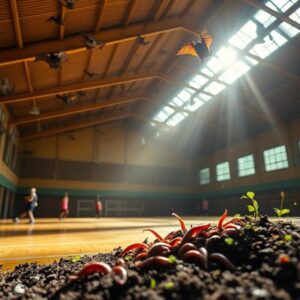
Animal Residency in the Sports Club
STEAM Lab Pädagogische Hochschule WeingartenCase Study in Brief Description The Animal Residency activity is mainly a thought experiment happening through discussion. In this application, different members of a sports ... Read more
Please note that this activity is provided for personal educational, informational and convenience purposes only, is general in nature and is not intended as a substitute for professional, legal, or medical advice.