
Activity in brief
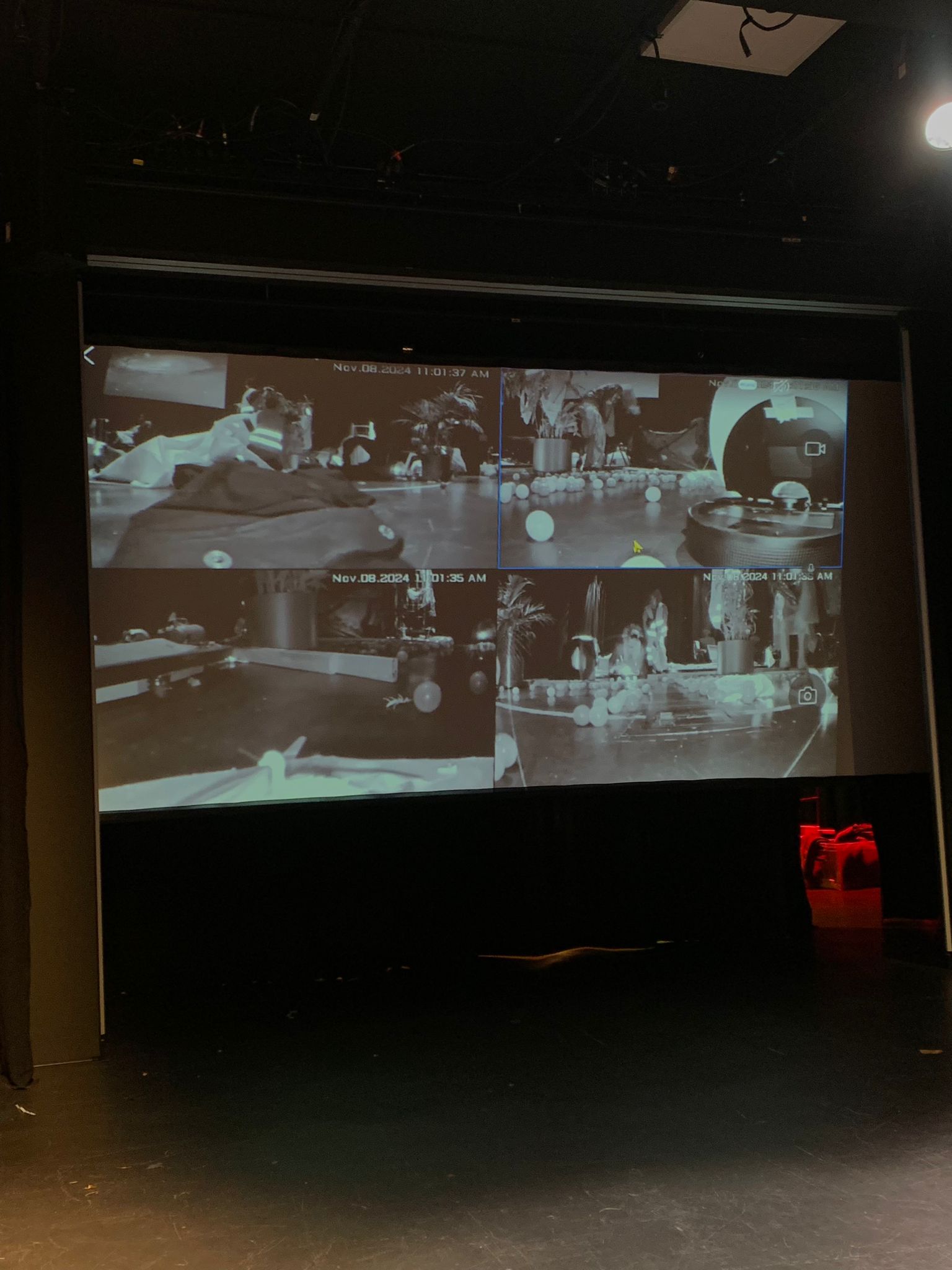
This imaginative activity uses hoover robots to explore an unknown space next door, that is turned into “the other planet” as a make-believe, imaginative play. Teams receive camera feed from the robots and have the task to map the unknown planet. Later on, the teams enter the other space and look at differences between the maps and the actual surroundings: How do we perceive an environment differently, if we only look at it on screens, as opposed to perceiving it with all our senses? The activity integrates the history and technologies of space robotics with the art and science of mapping. It invites a reflection on power relations between those who collect data about whom as established through media, technology and mapping. What baggage has the role-model of the explorer, that is so often referred to by science education? What other alternative role models might come to mind?
Detailed instructions
Introduction
To begin this activity, participants are divided into two groups, Group A and Group B engaging with one hoover robot each.
Setting up the robot
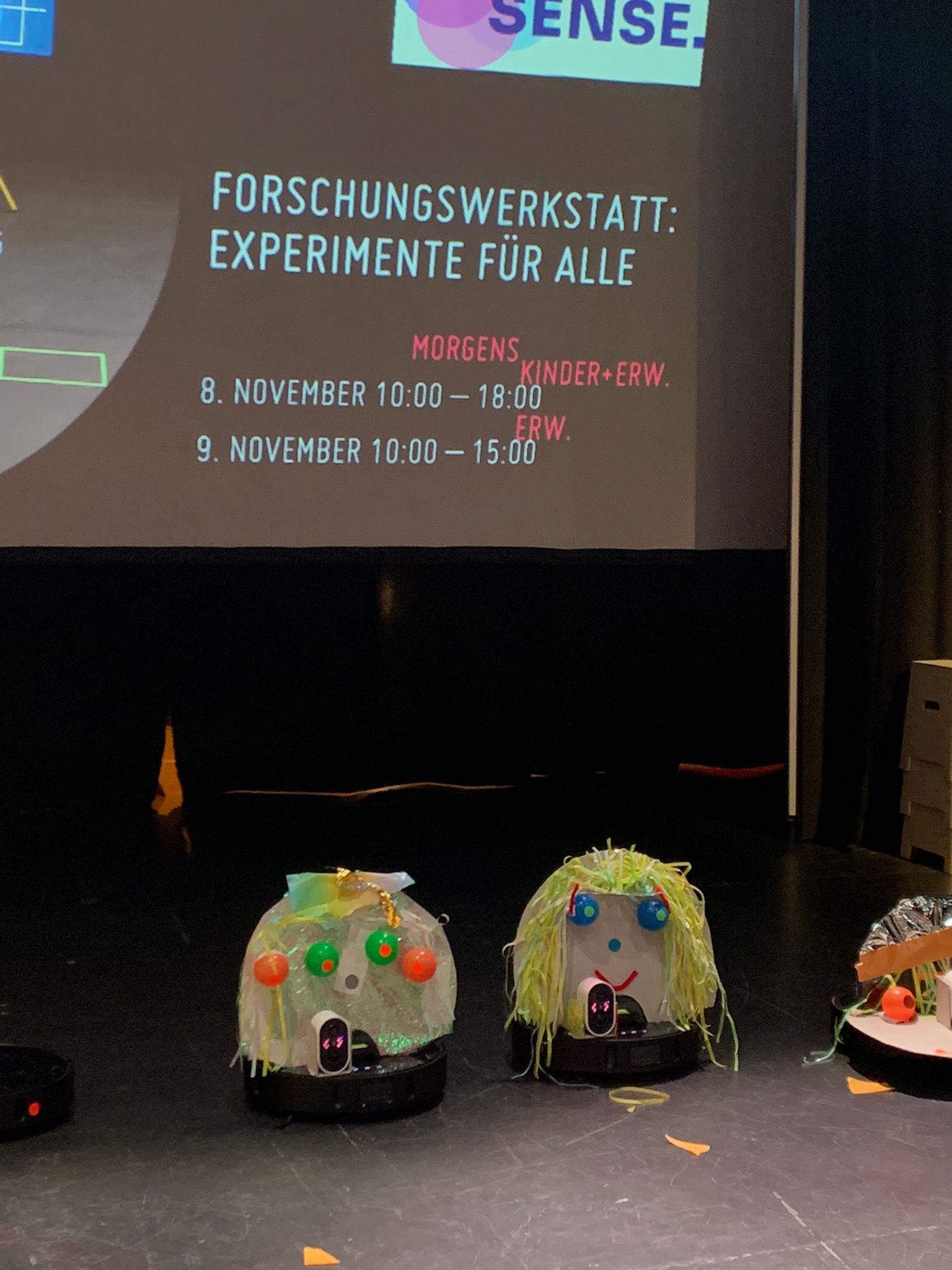
Group A stays in space A. Brief the group with their first task that is to attach a smart phone safely to the robot, while the other smartphone stays with them. The teams are invited to customize robots to make them more relatable, name them and give them unique visual characteristics. (Careful: What are the technically important parts of the hoover surface, that should not be covered by tape?)
Creating the landscape
Group B goes to space B. Here they find materials to create a landscape: Lots of cushions, chairs, blankets and other materials are provided to create “the unknown space”. To allow for the robots to navigate in space, this landscape should consist of different islands, an archipelago, between which there is enough level ground for the hoovers to find their way. The different islands made from the materials are then inhabited by the participants. Options for basic costumes are provided. Space B has to be quite large. If there is none, space B could also be a safe outside space, like a yard.
Place the robots in the unknown environment
As soon as the customization of the robots in space A and the shaping of the “unknown” in space B are completed, the robots either are remotely controlled to move from space A to B, or are lifted up and put somewhere within space B by the workshop leaders (automatic mode).
Mapping the unknown
The teams in space A are given the task to map space B according to the data from the camera feed. They are challenged with a time limit: For example, maps have to be completed in 10 minutes.
Responding to Habitat invasion
The participants in space B are invited to imagine, that they are sleeping, when the robots invade their habitat. How might they react, starting from sleep, if strange robots were to come to their neighborhood?
Reveal
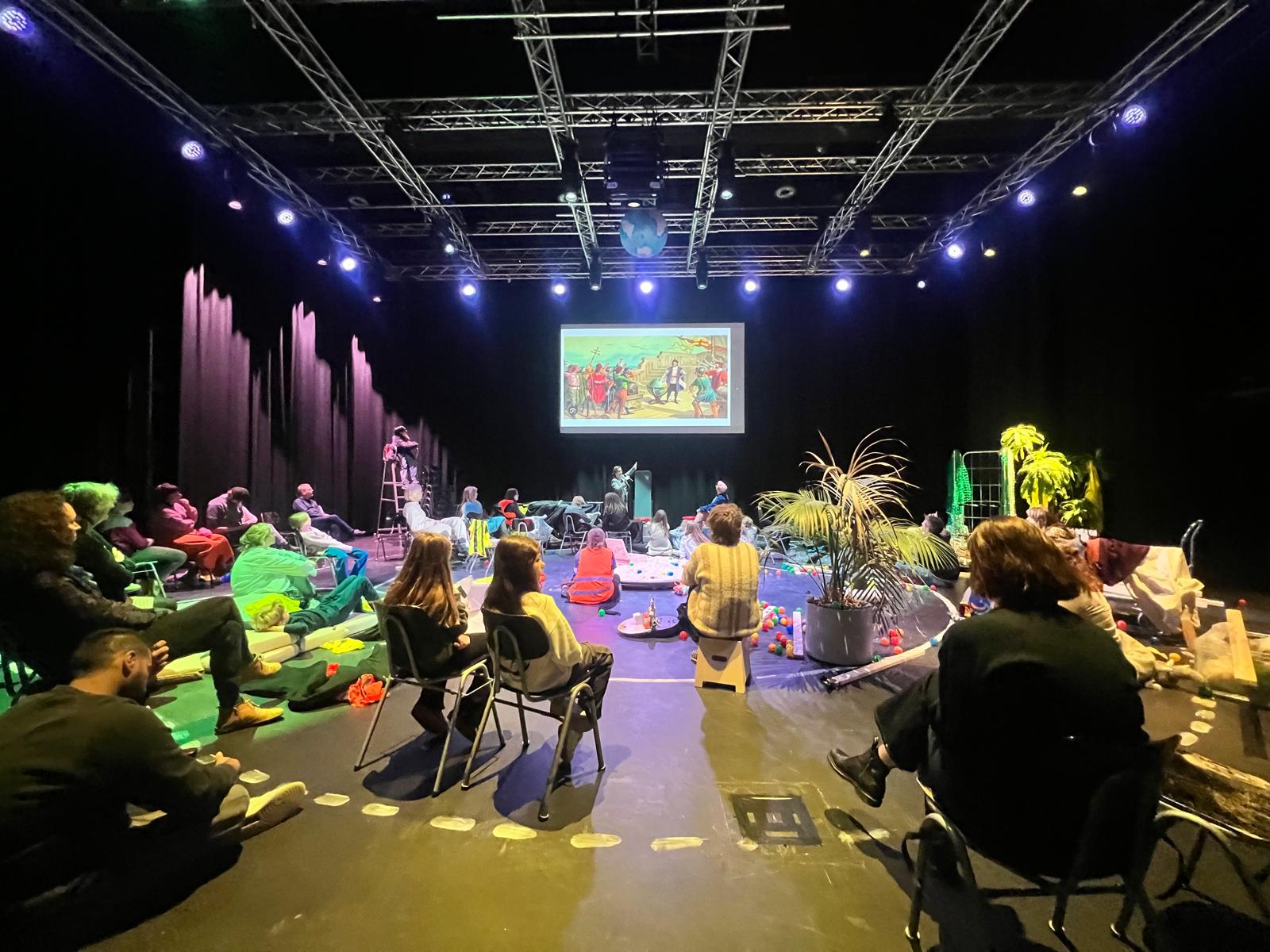
When the time is up, participants from space A are allowed to enter space B and examine the differences between the real space and the maps they created. Then the two groups settle together in the big space, each finding their spot in the “landscape” created here.
Plenary discussion
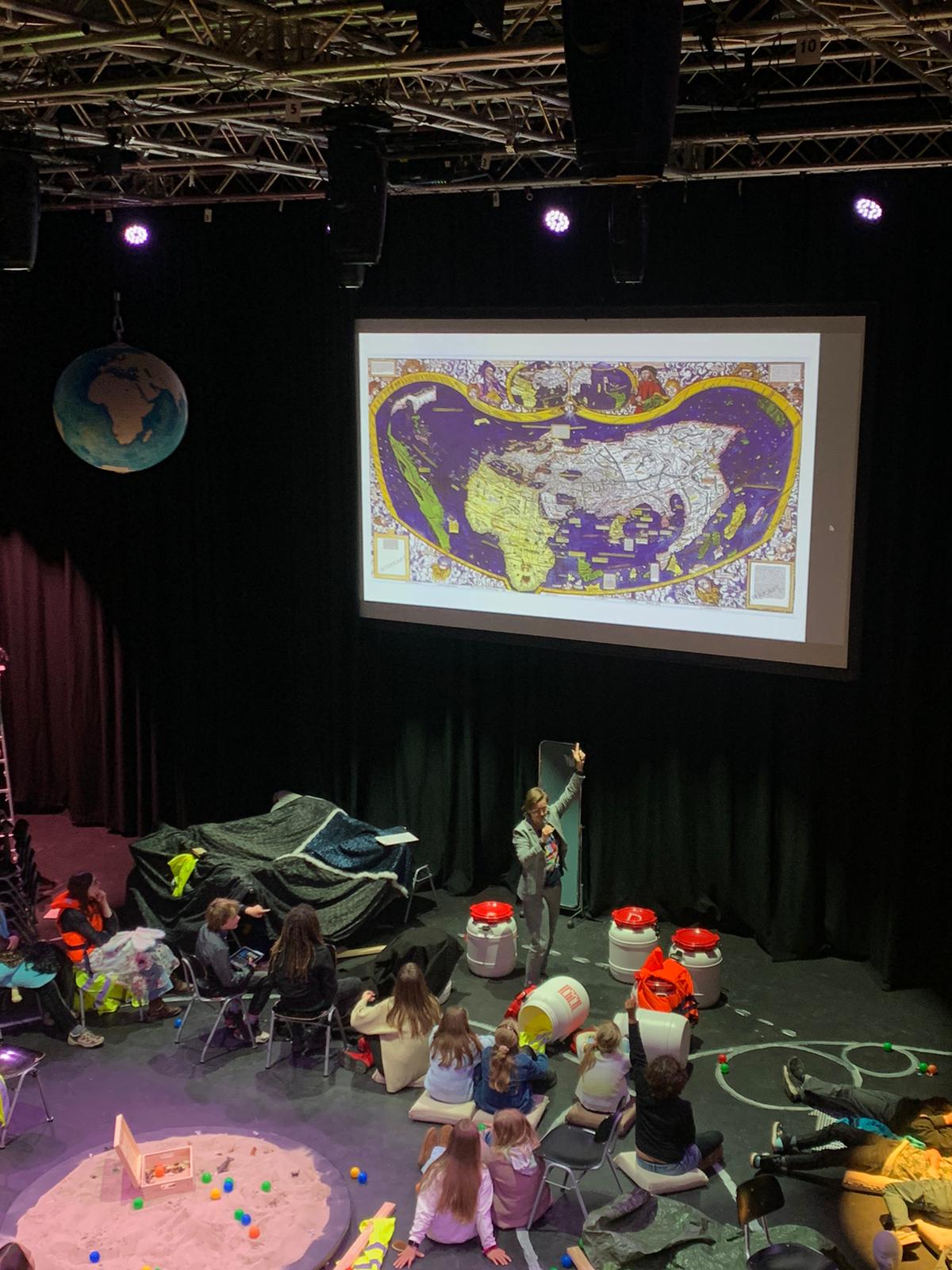
The maps are presented to everybody to compare and to discuss what impacted the process of mapping.
Reflection
Further inputs and discussions can follow, for example regarding robots in space technology, or the role of maps in processes of colonization, or alternative kinds of mapping such as mapping in art, in geography and in science etc.
Practical details
Duration
90 to 120 minutes depending on the size of the space and number of participants involved.
Space requirements
This activity requires one rather big and empty space connected to another, possibly smaller space. The activity can be adapted for use in an outside space such as a courtyard or a garden. However, how well space a can be mapped in this process is hugely influenced by the lighting in space b. Ideally the lighting can be dimmed, and lights can be put onto the different islands.
Recommended Feedback tools
Use the Manifesto or flashlight to give feedback. If you want to make the exchange more intense, ask your participants to give feedback using the body maps and to exchange in pairs.
For whom?
This activity is ideal for young people between 10 and 14, as well as for playful adults, young and old. You need at least 15-20 people for this activity.
Resources needed
- 4 hoover robots
- 8 smartphones
- 2 connected spaces A and B
- mixed materials to create “islands” in space B like cushions and blankets, plants in pots, and whatever is at hand that is easy and safe to use.
- Materials to customize the hoover robots: stickers, tape, paper, color pens.
- cardboard and tape to attach smartphones to robots.
Consider your participants
Inclusivity: the activity combines technology and play, allowing people to participate and to engage their creativities in different ways (e.g. customizing robots; mapping; creating landscapes and dramatizing).
Access: the activity is suitable for all providing there is enough room for people to move around.
Adaptability: in order to enable everybody to participate in the mapping, the different camera feeds of the robots can be integrated in one big screen for everybody to see in space A. The maps can also be projected so everybody could look at them at the same time. Both adaptations are recommended, particularly if you have an audience that is not participating directly; and to facilitate communication in a diverse group.
Keep the conversation Going
Encourage Questions: Invite participants to ask questions or comments on their understanding about the planets and activity instructions.
Invite Personal Stories: Prompt participants to share personal experiences related to extreme environments (like intense heat or cold), helping them make imaginative connections to their planet’s conditions.
Keep It Moving: If interest or energy drops, introduce new elements like short clips, atmospheric sounds, or sensory prompts to refresh enthusiasm and maintain creative engagement.
Related Case Studies
-
An Unnamed Archipelago
STEAM Lab Musée de LouvreCase Study in Brief Description This activity is based on exploring forms of multimodal documentation – using multiple approaches to record and to integrate different ... Read more
-
Neighborhood of your dream
STEAM Lab OdysseaCase Study in Brief Description In this learning sequence, we facilitators use the future neighborhood activity, which we adapt to the group we worked with. ... Read more
Please note that this activity is provided for personal educational, informational and convenience purposes only, is general in nature and is not intended as a substitute for professional, legal, or medical advice.