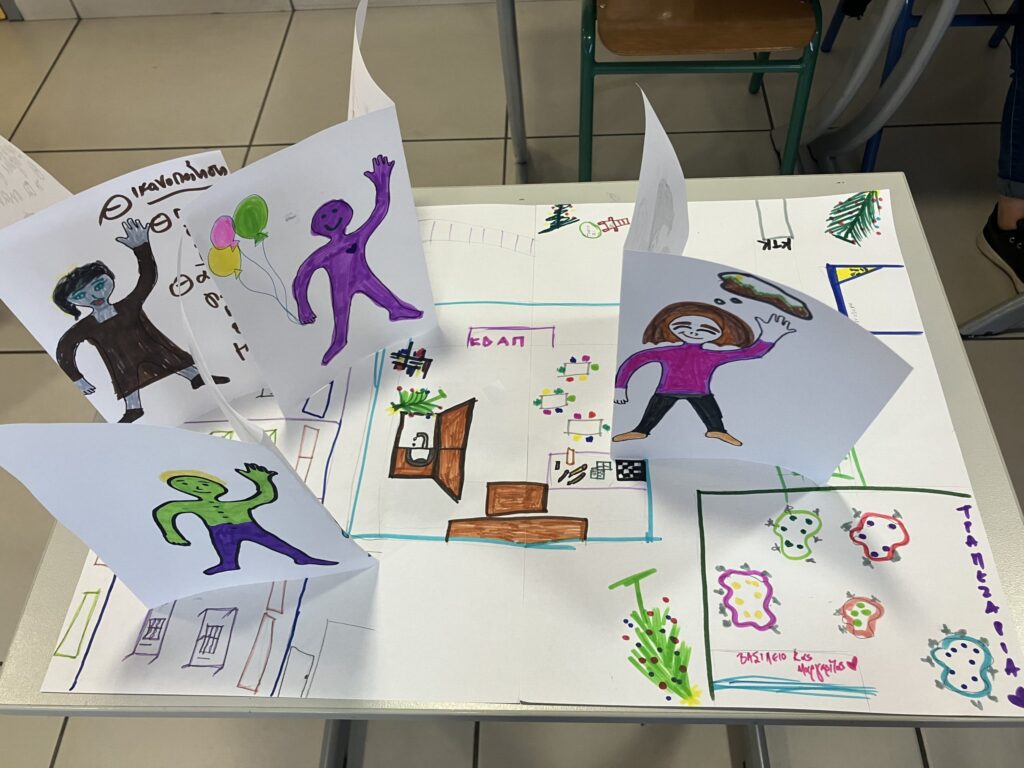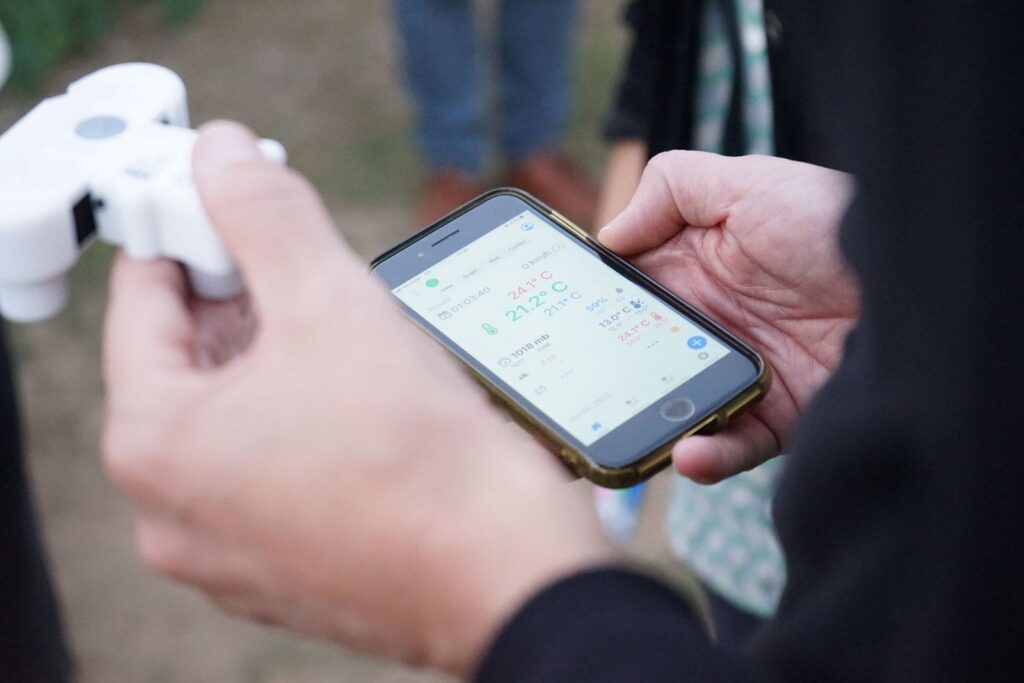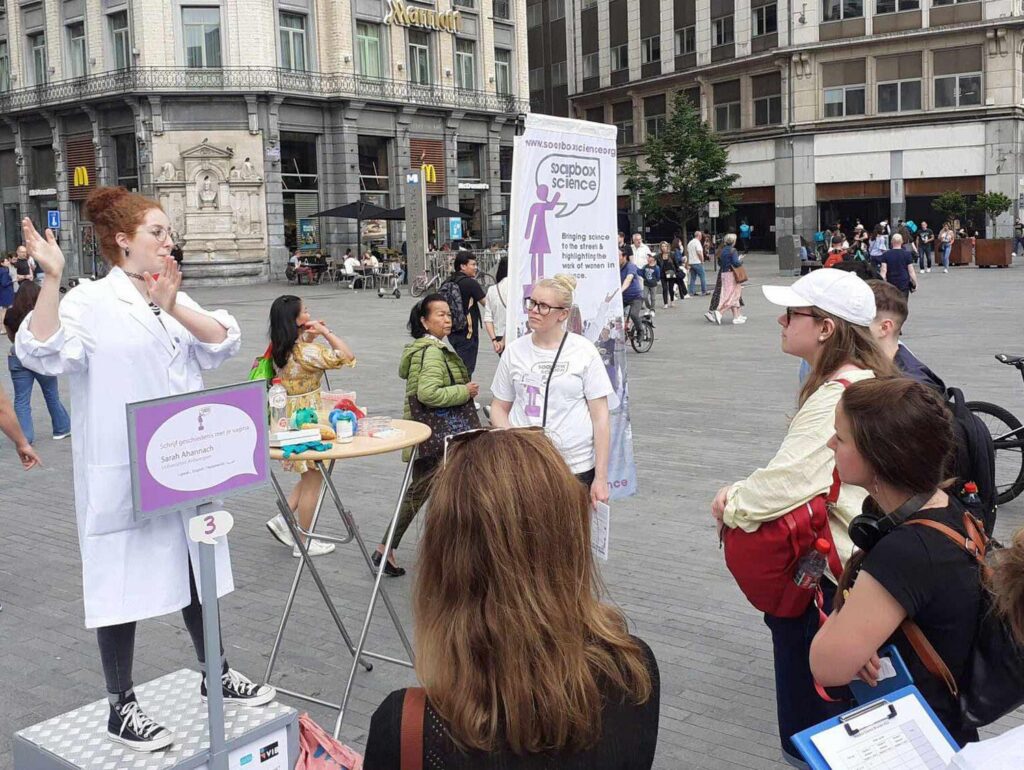
We want the social creativity toolkit to be useful for teachers, educators, and facilitators. It can also be used by anyone who wants to know more about social creativity when planning a learning event.

Social creativity happens when people keep or achieve a positive social identity by changing how they understand relations between groups. It can combine different approaches and follow different guidelines, while focusing on the identities and experiences of individuals to keep knowledge processes positive and distinct. Our Social Creativity Toolkit helps people from different backgrounds to come together to enjoy a shared experience. It combines citizen science, art, and gender perspectives, focusing on sensory experiences and empowering each person's unique identity within the group.

We want the social creativity toolkit to be useful for teachers, educators, and facilitators. It can also be used by anyone who wants to know more about social creativity when planning a learning event.
Our toolkit offers a guided self-reflection exercise to help users think and review learning activities, while recognizing everyone’s role in every step.
We invite users to explore the Four W’s — Why, Who, What, Where — to think about different environmental and social situations, from the individual level to communities and society as a whole.
It’s a simple exercise that helps to understand every unique aspect of each learning activity, no matter where it is.

It invites individuals from diverse backgrounds to actively participate in scientific and social inquiry.
It resonates with project-based learning, where hands-on projects and collaborative problem-solving become central tools for engaging citizens in the creation of knowledge.
It empowers participants, encouraging them to move from being passive recipients of information to active co-creators.

An intersectional approach to gender recognizes the complex, layered identities that individuals bring to collaborative spaces.
Gender diversity approach actively works to close gaps in opportunity and representation, ensuring that everyone can participate fully. Unique experiences of participants are valued, and creativity thrives through diverse contributions.
It offers individuals the opportunity to experience oneself in unusual roles and perspectives.
It challenges traditional hierarchies. It opens new avenues for the creation of new communities forging connection based on shared practices rather than predefined labels. It moves beyond the static discourse of social inclusion, which often reinforces existing stereotypes.
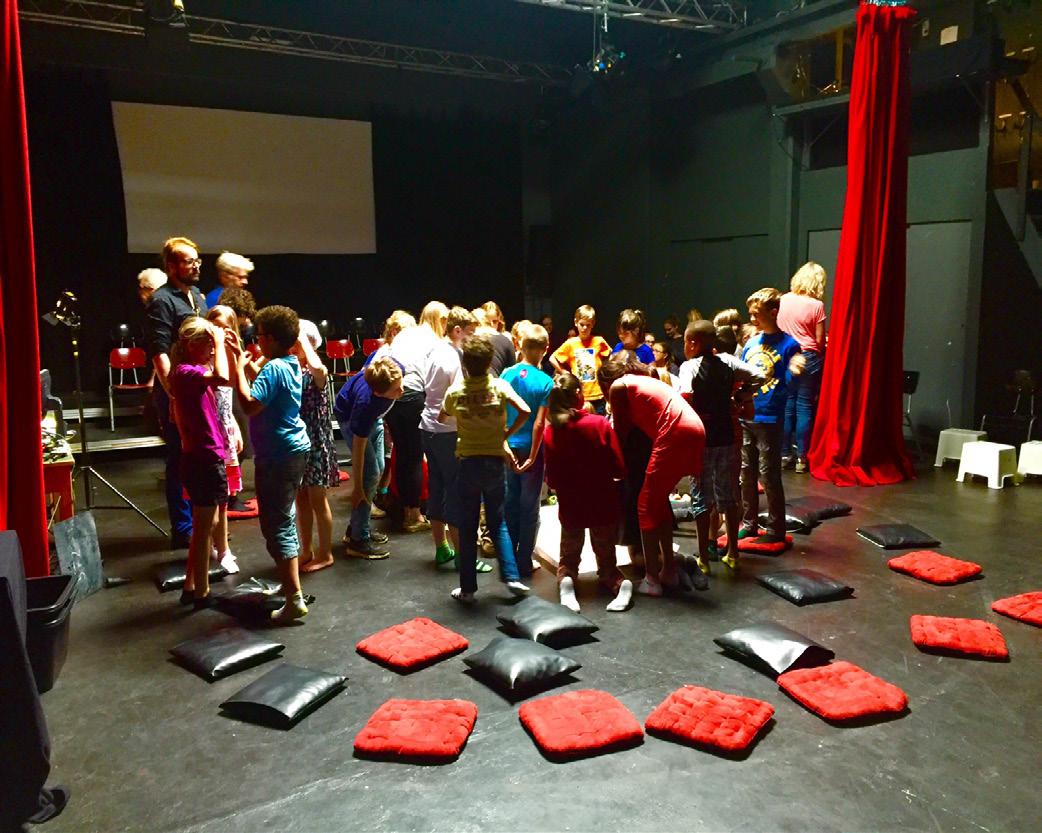
We have selected five practical guidelines based on SENSE. experiences against the background of participation, social inclusion and well-being.
We have seen that Co-Create, Involve & Share, Experience & Explore, Future Making, and Be Diversive & Inclusive are key guidelines on how to make learning more collaborative, creative, and open to everyone.
Guidelines include related useful recommendations to augment social creativity within learning activities. They are not a checklist, but they can serve to focus on working together, celebrating diversity, and being flexible, so that people from all backgrounds can have a voice and be part of shaping the future of education and society.
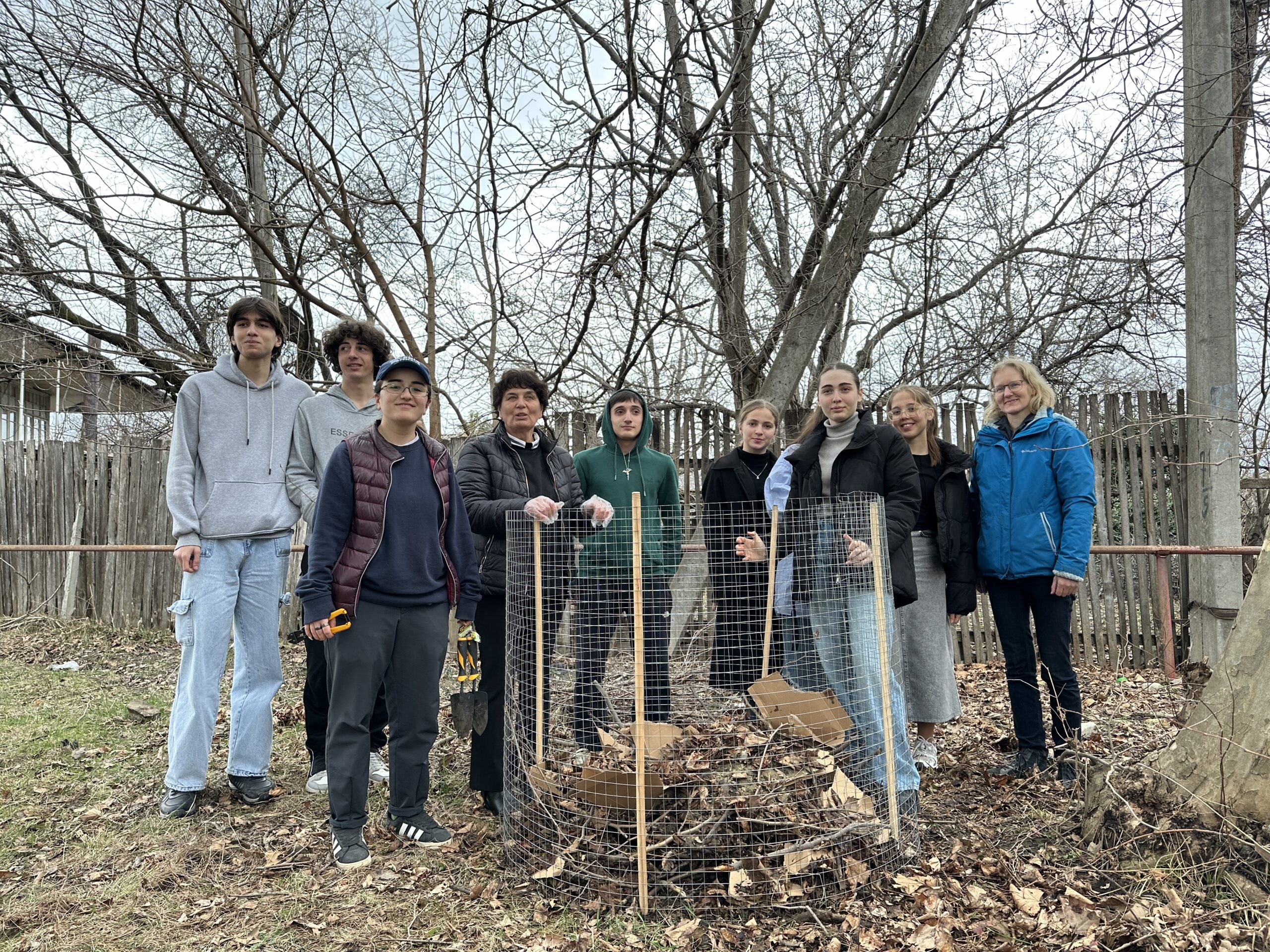
Co-Create
Involve & Share
Experience & Explore
Future Making
Be Inclusive
Take a look at how social creativity comes to life with the SENSE approach.