
Case Study in Brief
Description
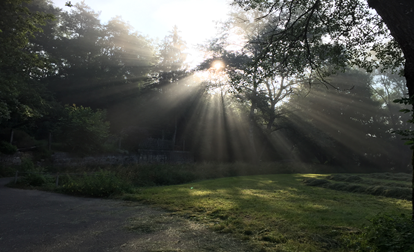
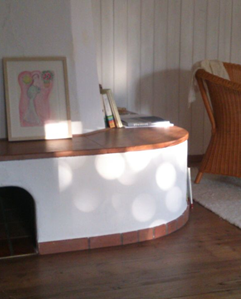
Shadows are everywhere, but we often overlook them. They take on many shapes and appearances depending on the object that casts them and the lighting conditions. The rules that govern shadows are similar to those used in perspective drawing or stage design.
We begin our investigation by showing students intriguing or puzzling examples of shadows. This sparks curiosity. Then we ask students to observe shadow phenomena over time and document what they see using their smartphones. Afterward, we review their pictures together as a group.
Dispatch From the Field
We introduce autonomous shadow investigations using prepared pictures of real-life situations or examples from art history. We find it useful to combine different types of shadow phenomena, such as diffuse shadows, distorted shadows, aesthetic or geometric situations, into a single presentation. This presentation can last up to 30 minutes, giving students time to engage more deeply with the mood and conditions of these phenomena.
Because mobile phones are so common, students can document shadows and related situations freely. Alternatively, we can turn this into a drawing exercise or explore other artistic approaches, such as writing a literary description.
We collect the pictures or other creative work by email or through a cloud folder. We find it useful to process these materials in a separate presentation.
From experience, we expect students to show greater interest in the results. So we make sure to present and discuss the work thoroughly. We might ask when and where a picture was taken or invite students to explain what features captured their attention. We treat this part like a small photo exhibition.
These examples can also support further investigation of how light and shadows behave.
As part of a shadow-focused course, we may repeat the shadow hunt with a different focus or a more advanced level of detail.
Practical Details – Facilitator’s Notes
How did you modify the activity?
Nothing was modified.
How did you organize the space?
For both the introduction and the discussion of students’ work, we need to be able to present slides. This requires a space that is not too bright and large enough for the learning group. It should also be quiet. Typical classrooms usually meet these conditions, but a quiet corner in a foyer with a bright wall for projection can also work.
Students do the actual shadow hunting asynchronously and in real-world conditions. If we work within a school setting or on a tight schedule, we may need to limit the area where students search for shadow phenomena.
Who did you work with?
Our groups usually consist of first-year students in teacher education programs. There are more women than men, and the average age is around 20. Group size ranges from 10 to 20 participants, and ideally should not exceed 30.
What resources did you use?
We find it convenient to use presentations made with Google Slides. They are easy to create and simple to share through links. We take our own example pictures using personal mobile phones.
What did you learn?
“The Mysteries of Shadows” is a rewarding topic. It’s easy to engage students by asking them to hunt and capture their own shadows. Most students enjoy the task, though they approach it with varying levels of creativity. We make sure to value each individual result. We also notice that when we share our own examples and interest in shadows, it helps spark the students’ curiosity.