Case Study in Brief
Description
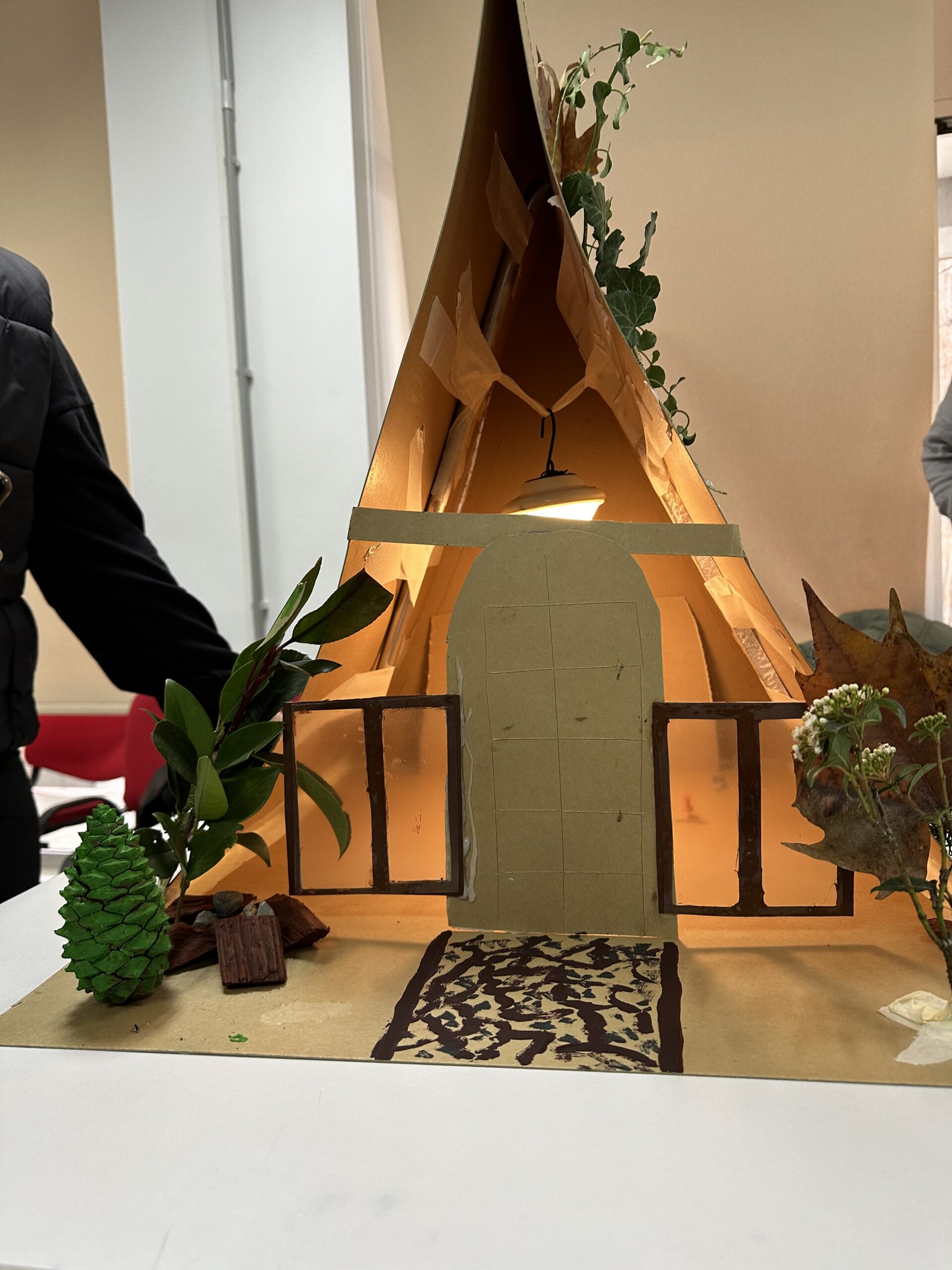
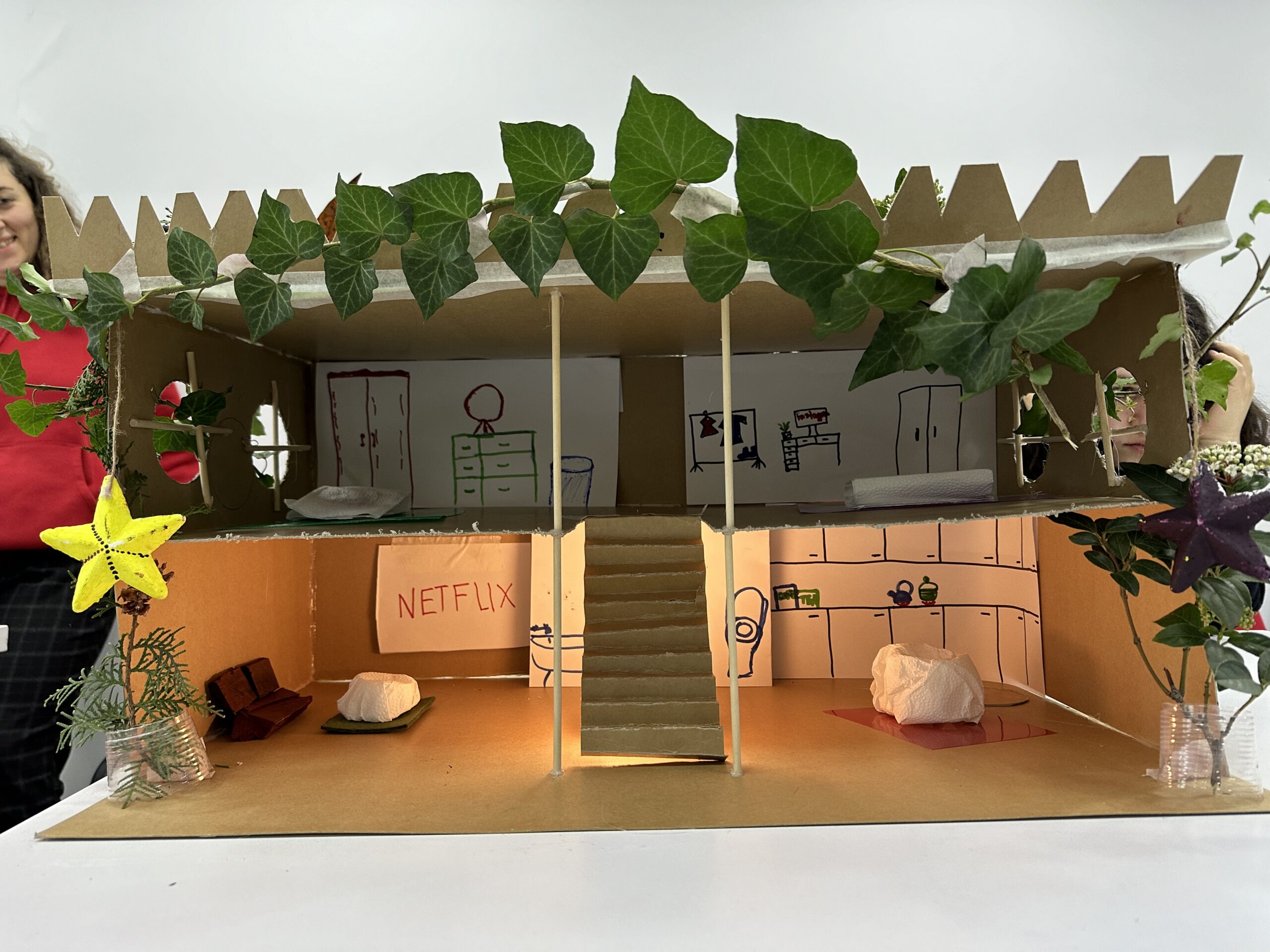
The challenge was to build a house for an imaginary, minority community member using natural an materials and provided cardboard and crafts supplies. They were asked to think well about special needs, atmosphere, emotions of the community member. The students had made kinetic devices the day before, and were able to place them inside their houses.
Dispatch From the Field
- Explaining the activity – the participants had to make a house for a community member representing an (imaginary) minority group to their choice. They should make sure that this creature feels integrated, safe and welcome. The participants were asked to work in pairs to design a house. (5 minutes)
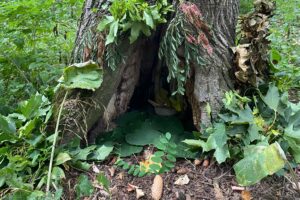
- The participants took a walk outside in the local park to find materials that could be used to build the house with. They also discussed possible locations for the houses. (15 minutes)
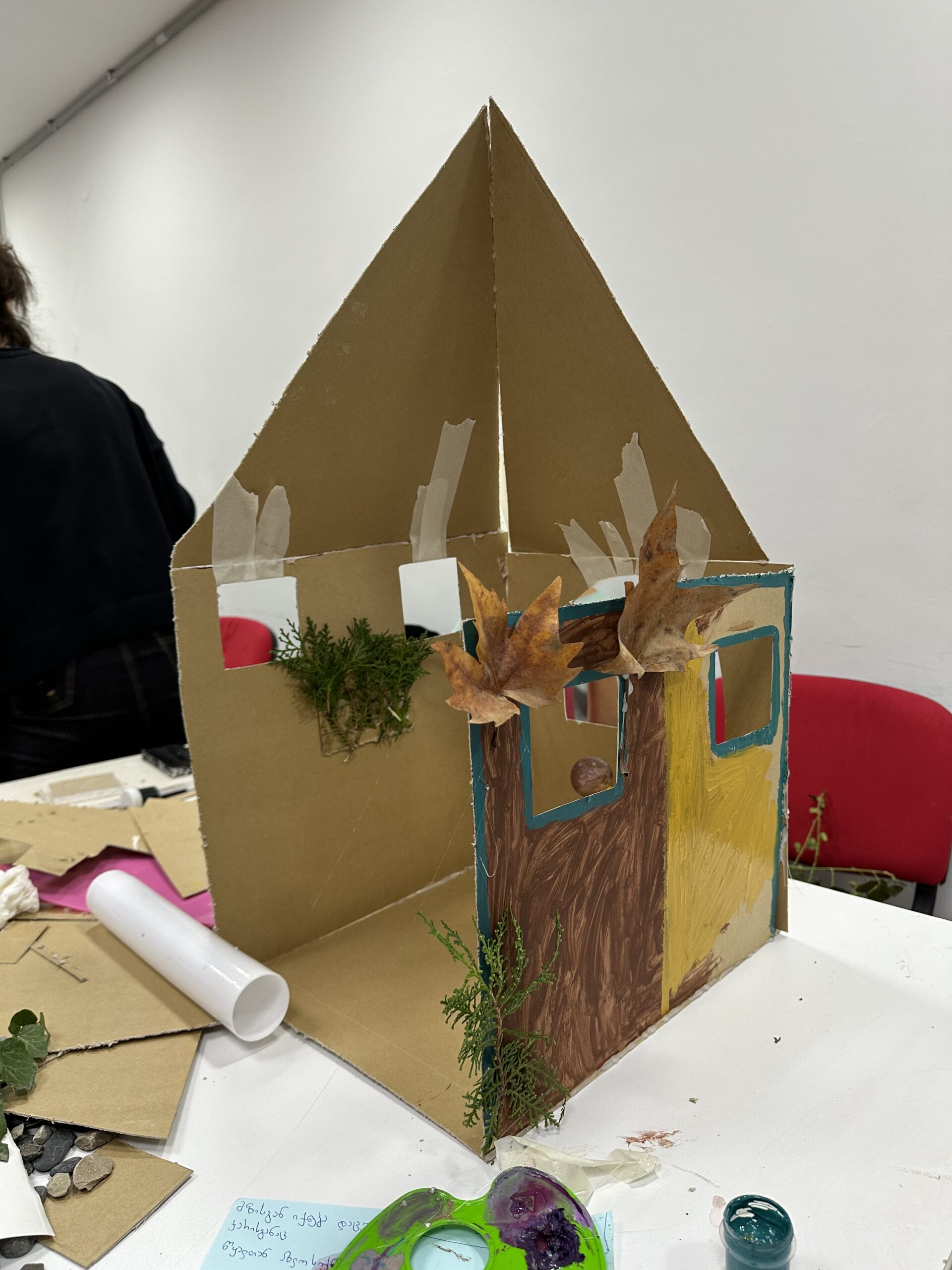
- Returning inside the classroom, the designing process could start. Besides the collected materials, cardboard, paint, glue, paper, tape and other crafting materials were provided. The participants designed their houses according to their imagination and the needs of the community member. (20 – 40 minutes)
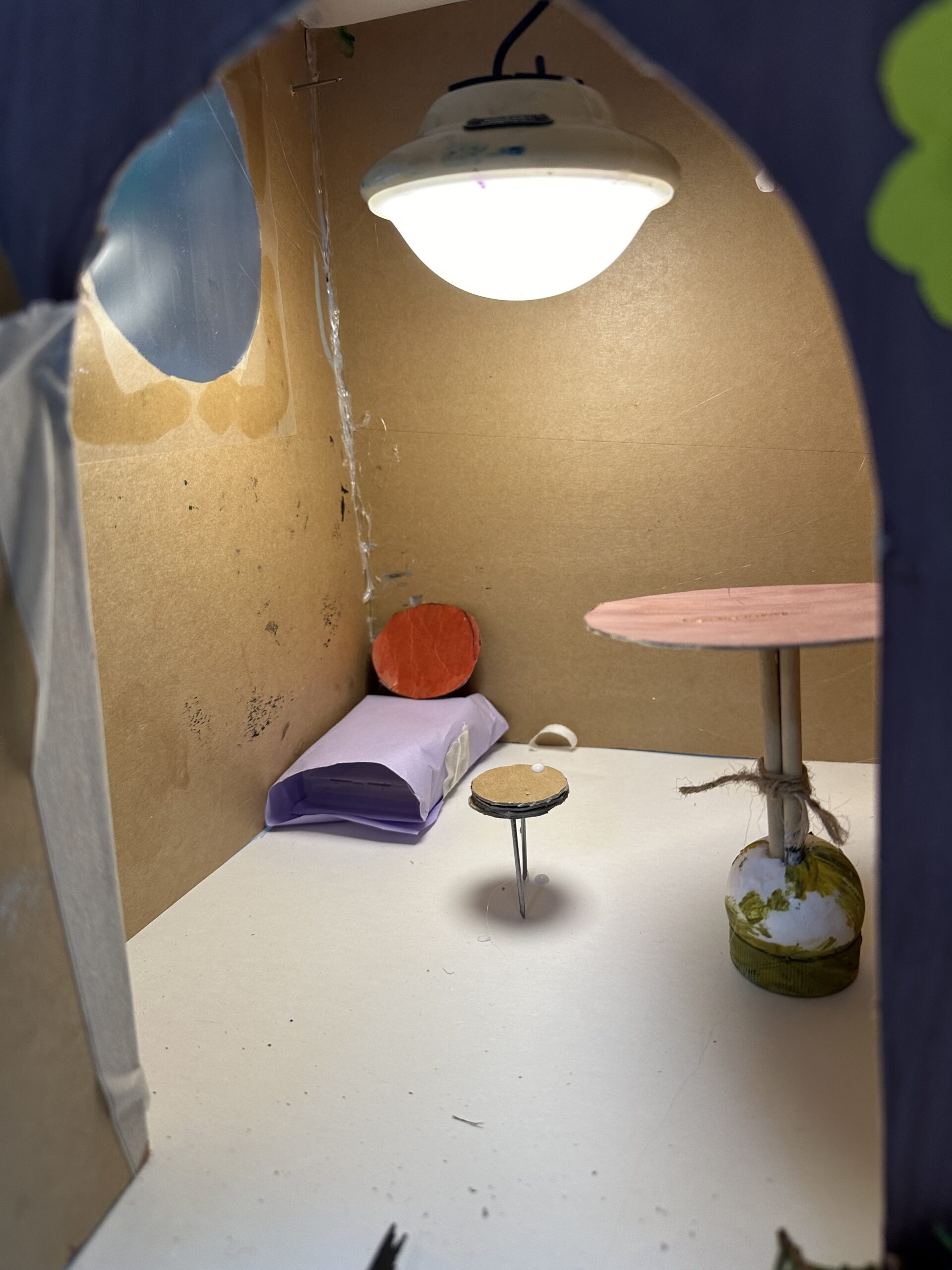
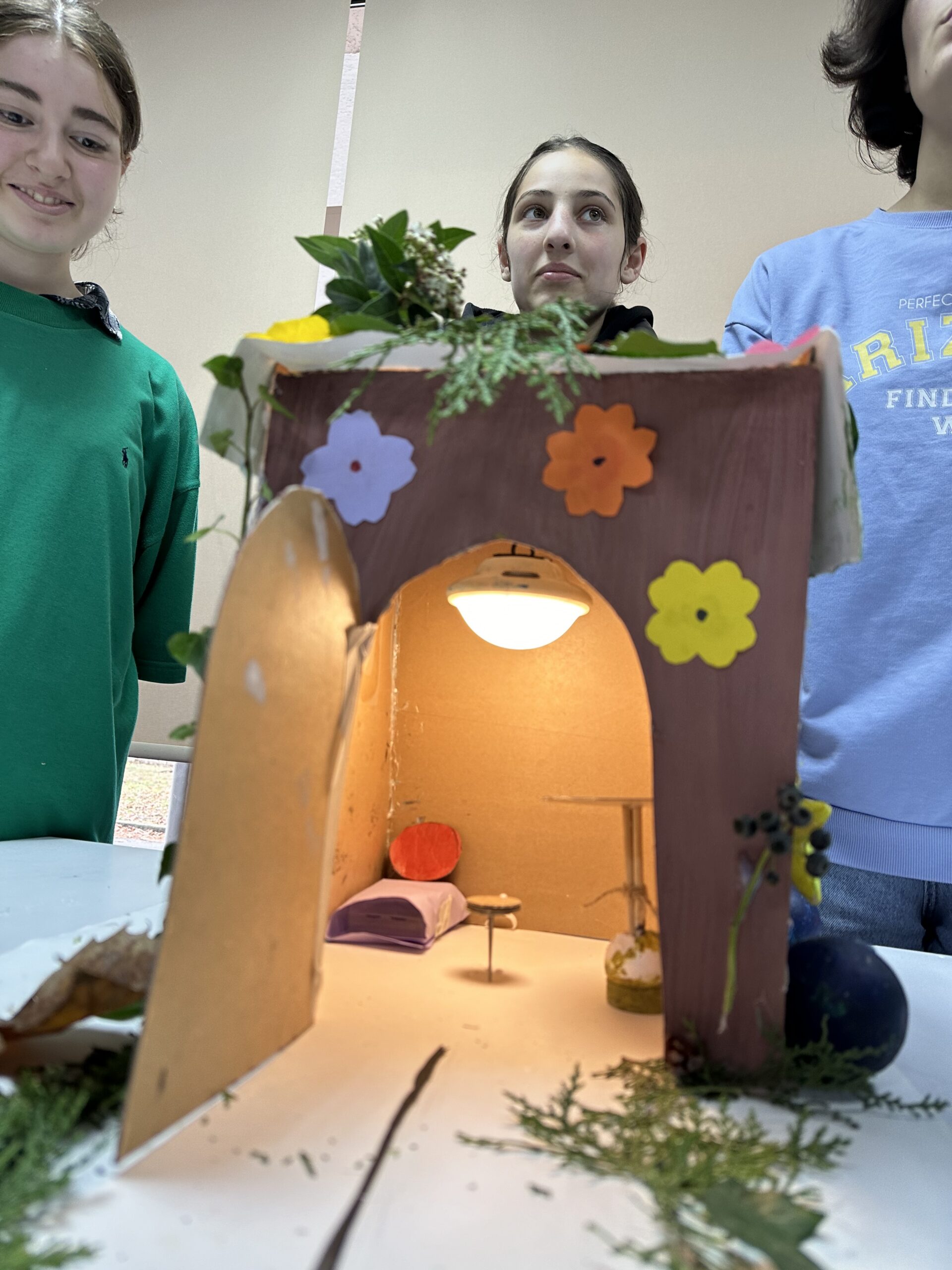
- Participants placed kinetic devises (lights) inside the houses. They discussed the effect of light on the atmosphere and emotions of those inside and outside. (5 minutes)
- When all groups have completed their house, participants can go on a gallery walk, and each group explains to others how they came up with the design and what makes it good house for their fairy (10 minutes)
- Reflection and discussion. The facilitator asked the group to reflect and discuss the process, and why they made choices on appearance, light and design. We tried to imagine how the new community member would feel inside the house in terms of safety, design, emotions and esthetics. (20 minutes)
Practical Details – Facilitator’s Notes
How did you modify the activity?
There were several differences to the parent:
The activity was carried out inside instead of outside due to harsh weather conditions. The preference still would be to do it outside, to be able to connect more to nature and space.
The fairy was replaced by an ‘imaginary community member from a minority group’. This sparked conversations about inclusion, equality, discrimination, stereotypes and what is a minority. The group was diverse in terms of background and ethnicity, and therefore the topic was very relevant to the participants
The addition of colored lights inside the houses gave the activity an extra dimension on the effect of colour and light on atmosphere and emotions
How did you organize the space?
The space was a regular classroom setting, with the tables put together to enhance group work and collaboration
The first part was carried out ouside to collect natural materials in a park.
Who did you work with?
The activity was carried out with the girls tech club from the Akhmeta Innovation Center and students (boys and girls) from public schools. Age group was 12 – 18 years. Akhmeta is a rural town in Georgia. The group was ethnically diverse.
What resources did you use?
-We used:
Cardboard, glue, paper, paint, crafts materials to make houses
Natural materials gathered in the park
We used:
- Cardboard, glue, paper, paint, crafts materials to make houses
- Natural materials gathered in the park
- Kinetic devices (colored lights) that were made within another activity
What did you learn?
The activity was succesfull, as the participants had freedom to build and craft what they wanted, there was no right or wrong approach.
Working in an outside space can be more beneficial, but this is a good way to replicate when it is difficult to run the activity outside.