
Why?
There are several reasons why open natural spaces can serve as inspiring learning environments. You might want a simple change in atmosphere, seek a healthy environment with an abundance of air and light, or look for hands-on science in direct interaction with the subject of inquiry. Most importantly, open-air learning environments foster a deeper relationship with nature through personal experiences, helping participants develop long-term, environmentally sustainable attitudes and practices.
The multi-sensory reconnection with nature is a central element of the SENSE.STEAM methodology. This approach promotes a holistic understanding of the world, emphasizing that humans are just one small part of a vast ecosystem
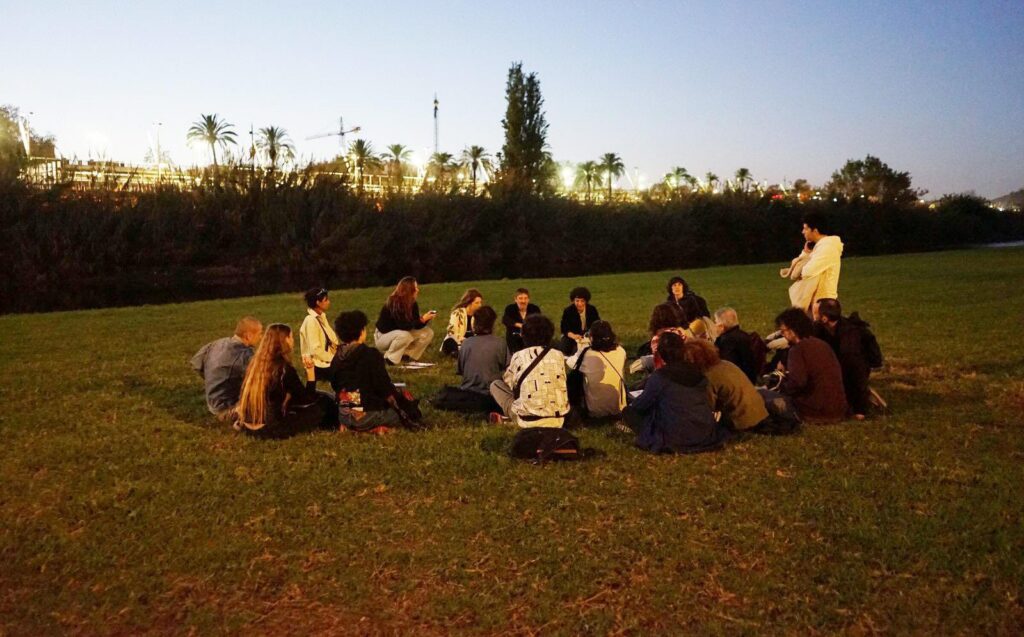
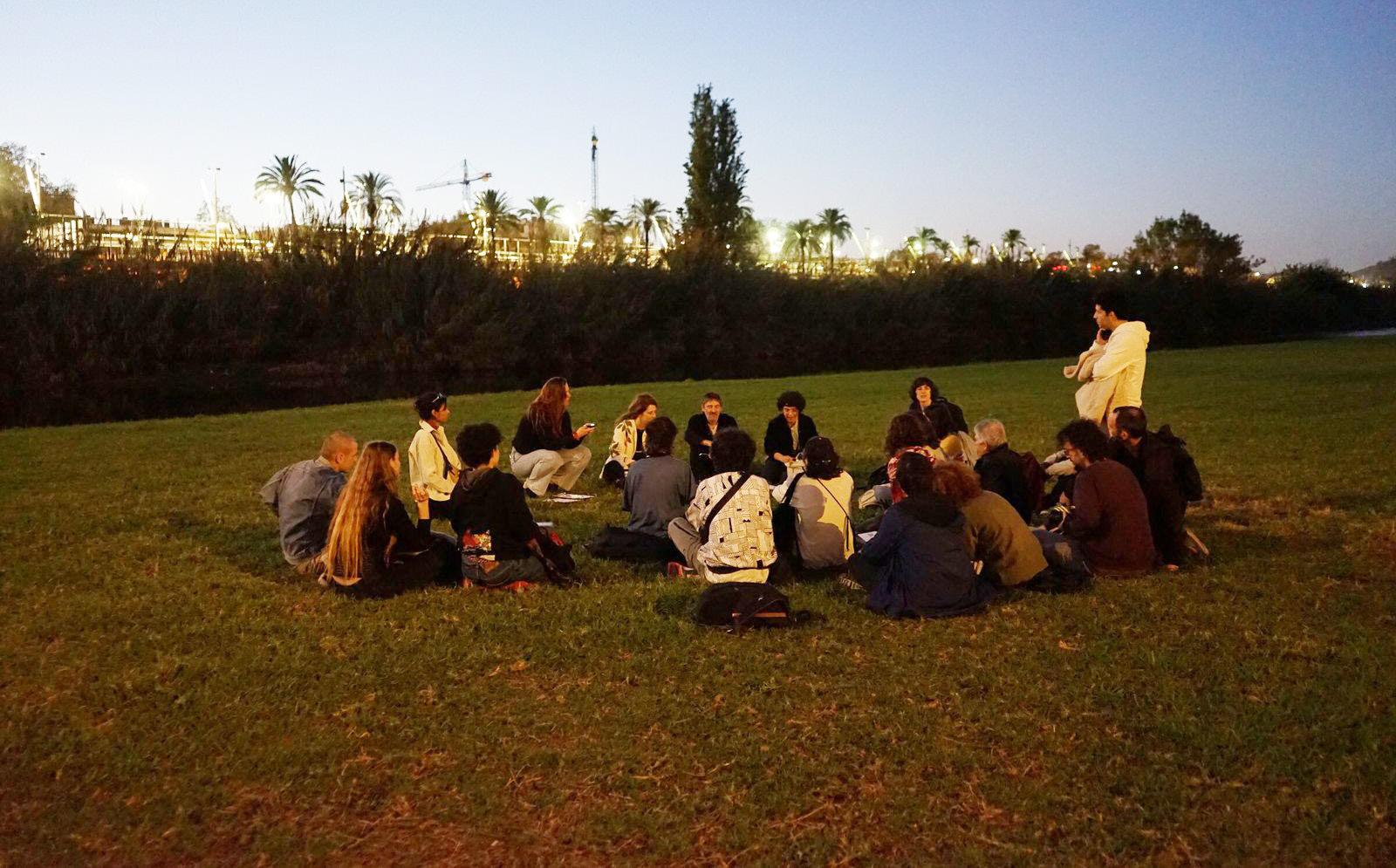
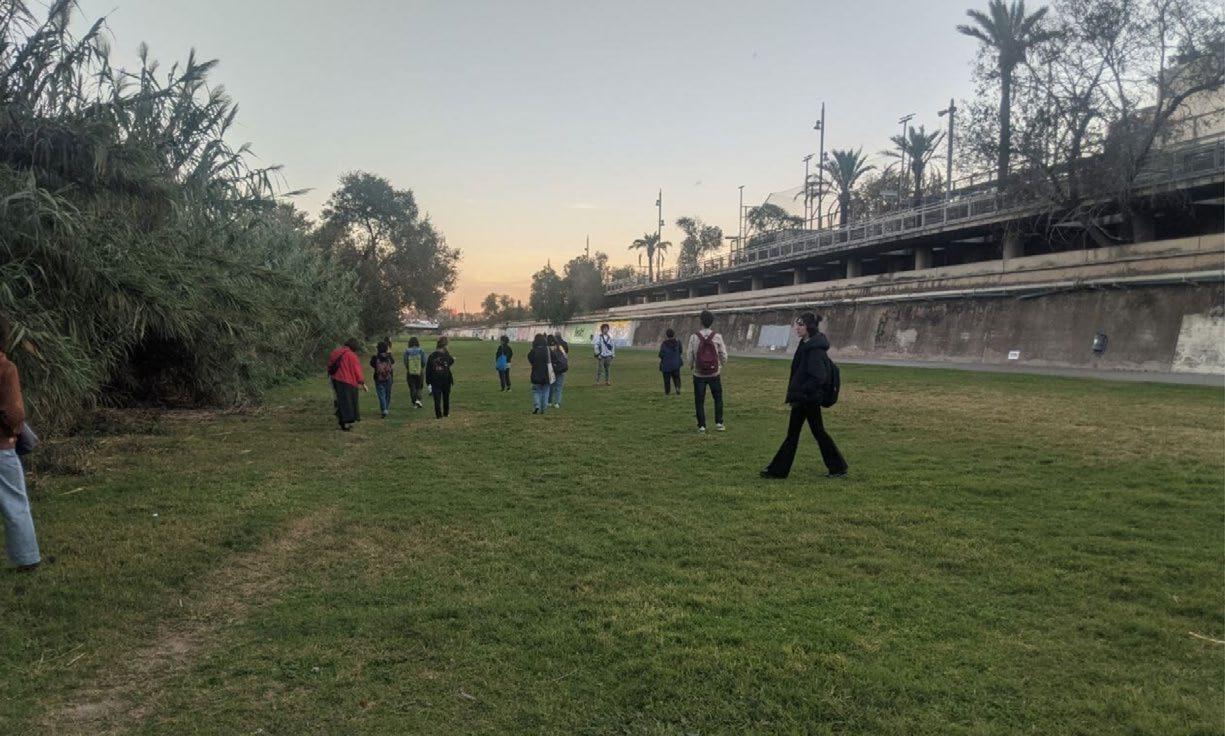
This activity explored the river landscape with an emphasis on the air. Artistic and scientific research come together in this community walk, which invites the public to walk along specific locations around the Besòs River, observing the air using creative imagination and sensory perception and using scientific knowledge, which measures it by other parameters and forces us to envision future alternatives. The group gathered at the end of the walk to sit, share tea, discuss how the environment made them feel, how the bodies connected to the surroundings, and reflection thoughts, experiences, and memories.
How
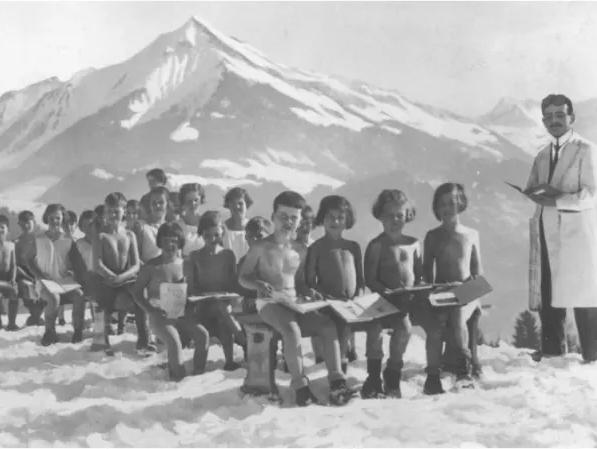
The idea of teaching pupils in open-air conditions originated in the 19th century, with the first “Forrest School” set up in Berlin in 1904, which initiated a fast-growing international movement. Initially motivated by public health concerns to create a healthy place for working-class pupils, it is one of the constituting pillars of 20th century reform pedagogy, aiming at fundamental changes, going beyond just having a school in a healthier environment
And this is important for this experiment: In traditional schooling, natural spaces often seem to be only important as so called “natural science contents in the curriculum”, i.e. available for direct exploration.
However, in this experiment, we want the natural world to become the setting for learning through sensory experiences, serving as a facilitating context for opening doors to sensual observation and attentiveness.
Further Suggestions
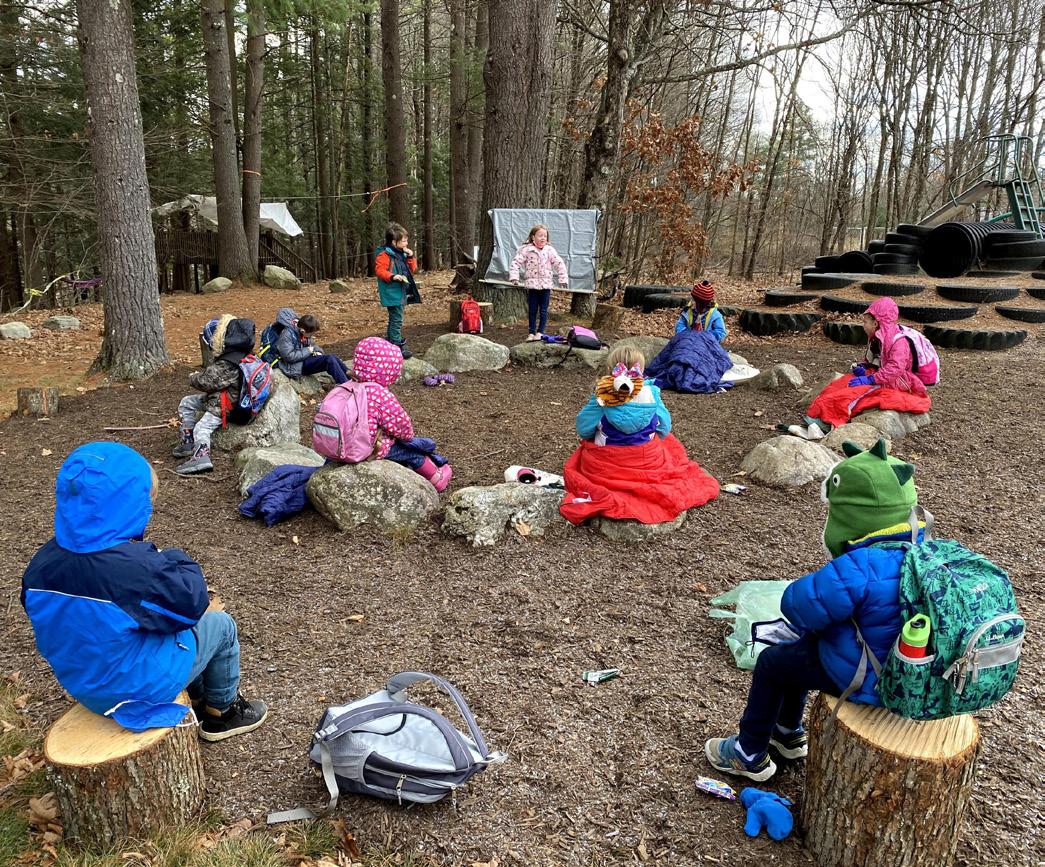
Using nature as a learning environment is easier said than done – just think about the weather and other environmental hazards. This means planning and flexibility are essential. There is no such thing as “bad weather, only the wrong clothing and equipment. This is part of the experience: be adaptable and accept change. But be prepared!
Engaging with the outdoors stimulates our senses as we encounter the air, wind, temperature, humidity, sounds, and smells of the natural world. Unlike traditional indoor settings, the outdoors is unpredictable, offering random events all the time. And that’s great. How do they relate to our practice? What impulses do they give us? Perhaps they can inspire a different understanding of what we are learning.
Initially, the more pragmatic solution might be moving a traditional learning environment into nature, i.e., using conventional classroom accessories like chairs and desks and choosing a “nature” subject. Or even less adventurous: go out into nature and bring the results and exhibits of this inquiry back indoors for further formalisation.
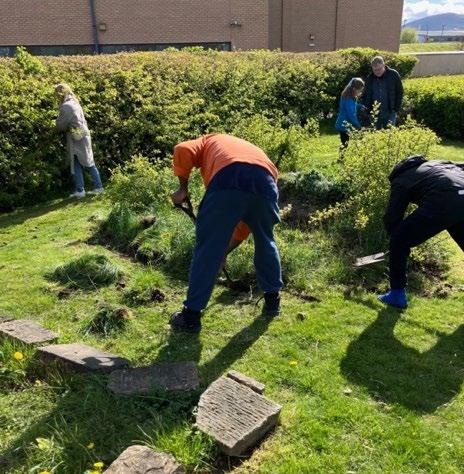
While it may be tempting to reserve outdoor learning for “nature-related” subjects like ecology, we would encourage integrating any subject within a natural setting and reflecting on how the environment influences learning outcomes.
If you’re unsure where to begin, consider seeking inspiration from existing initiatives such as the forest school in the UK; other countries have similar movements.