
Case Study in Brief
Description
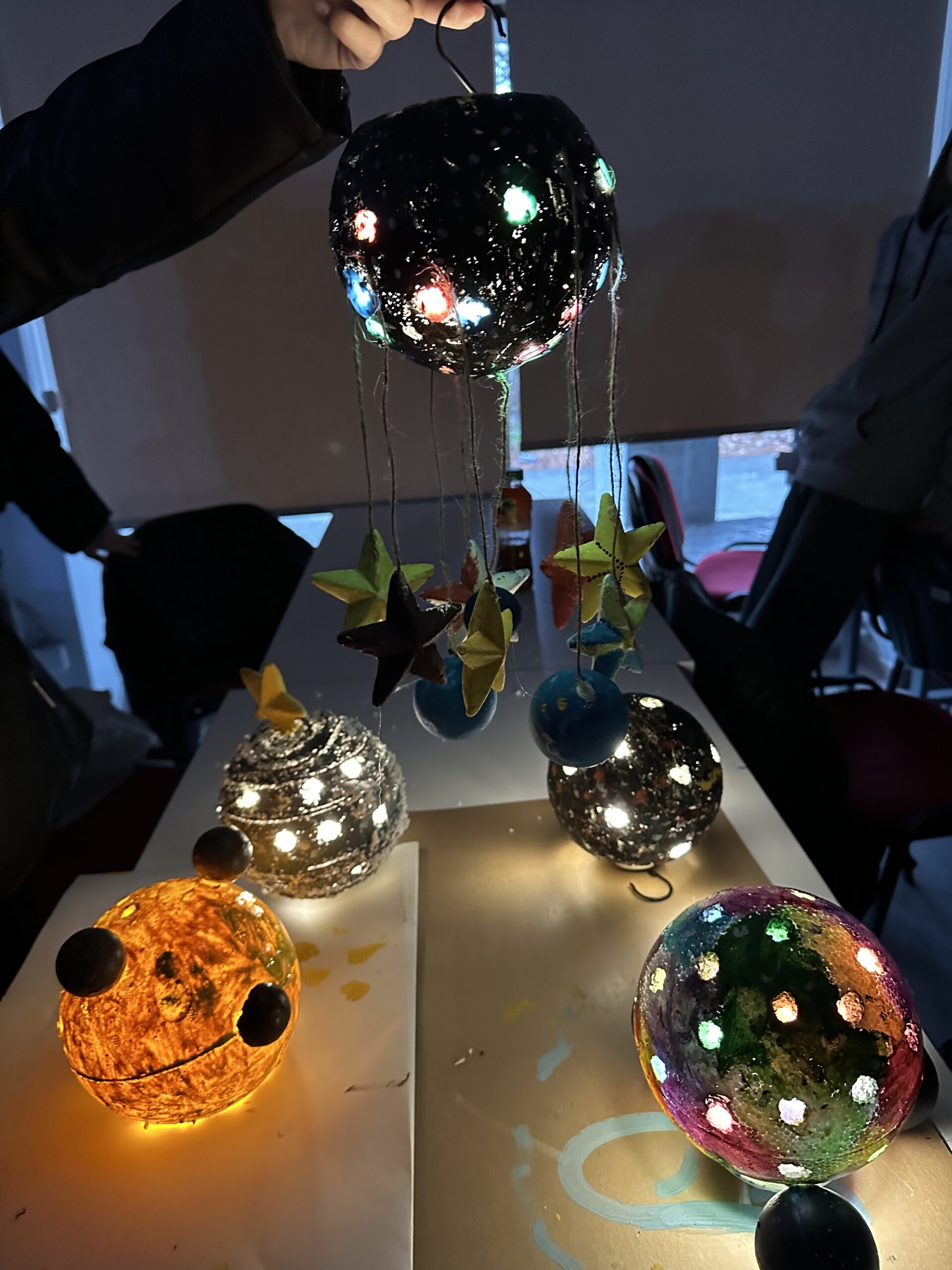
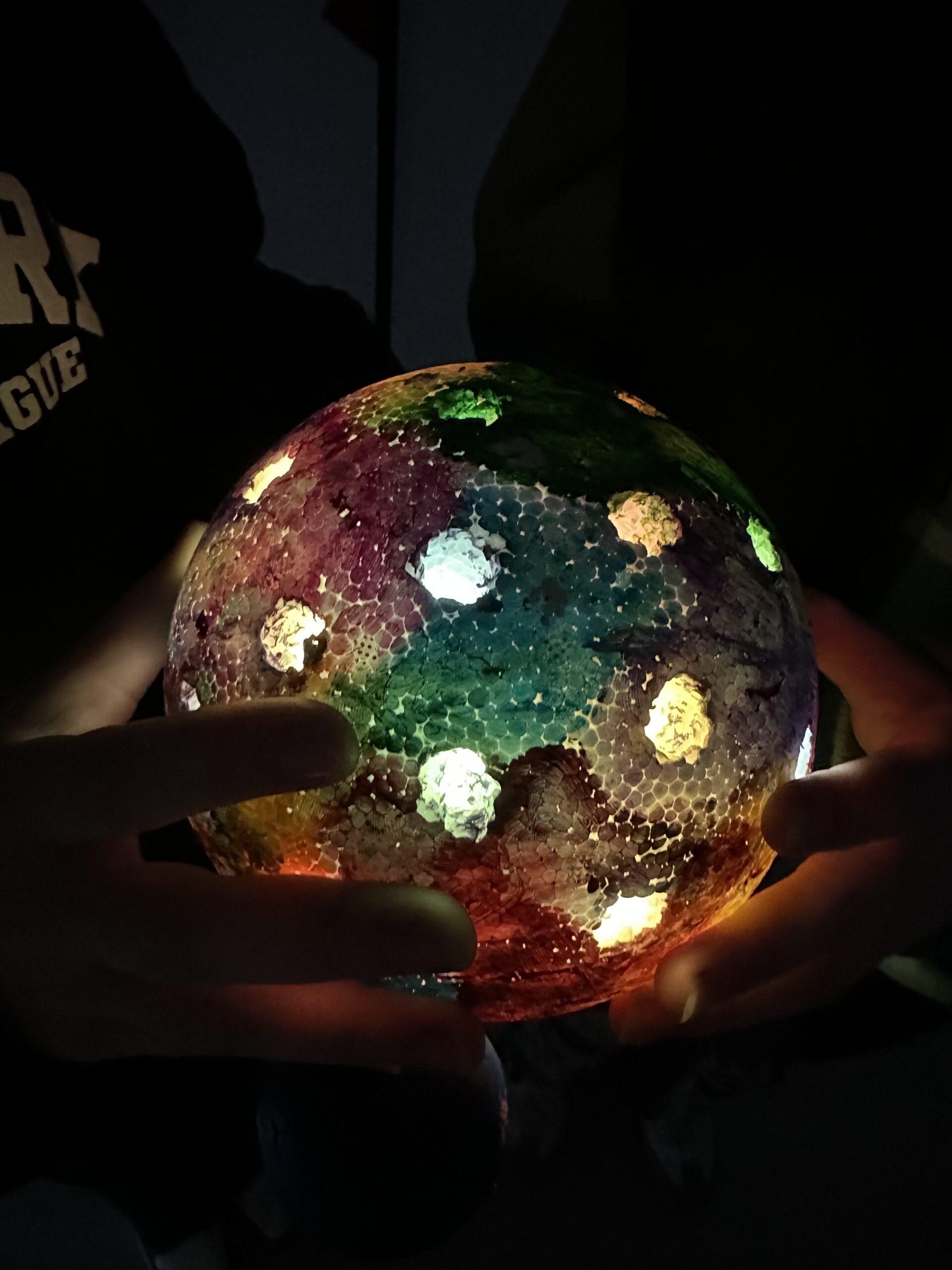
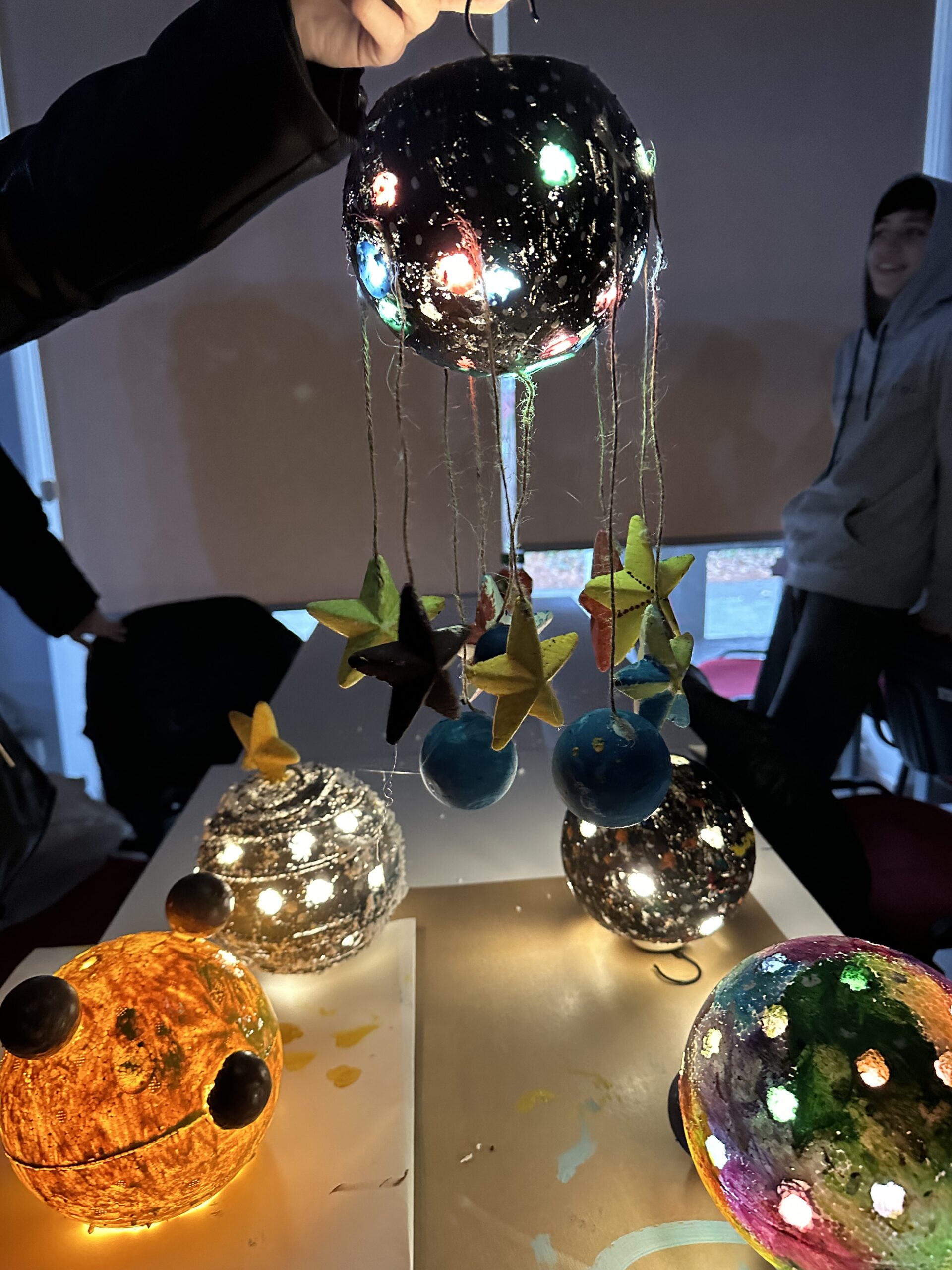
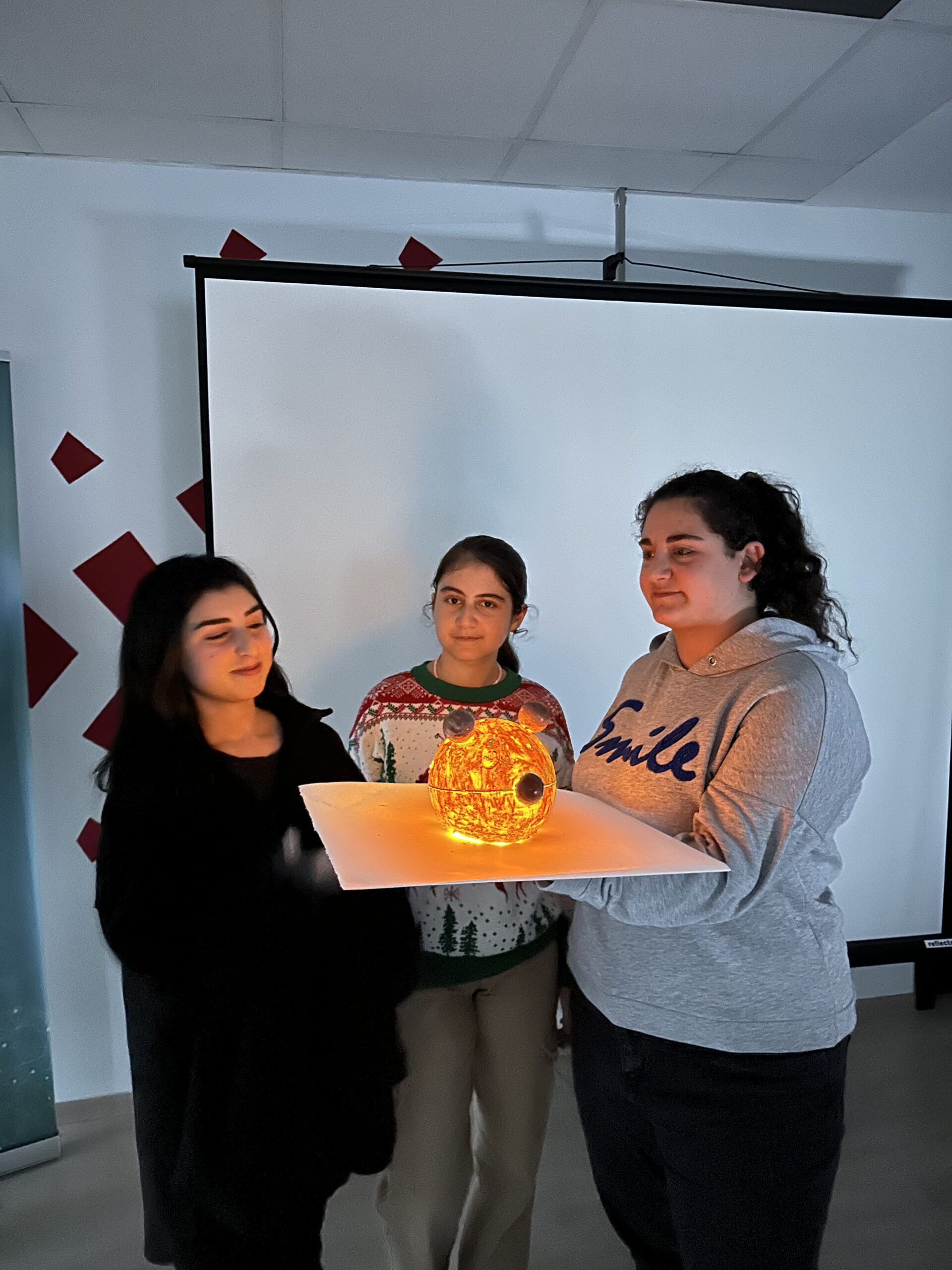
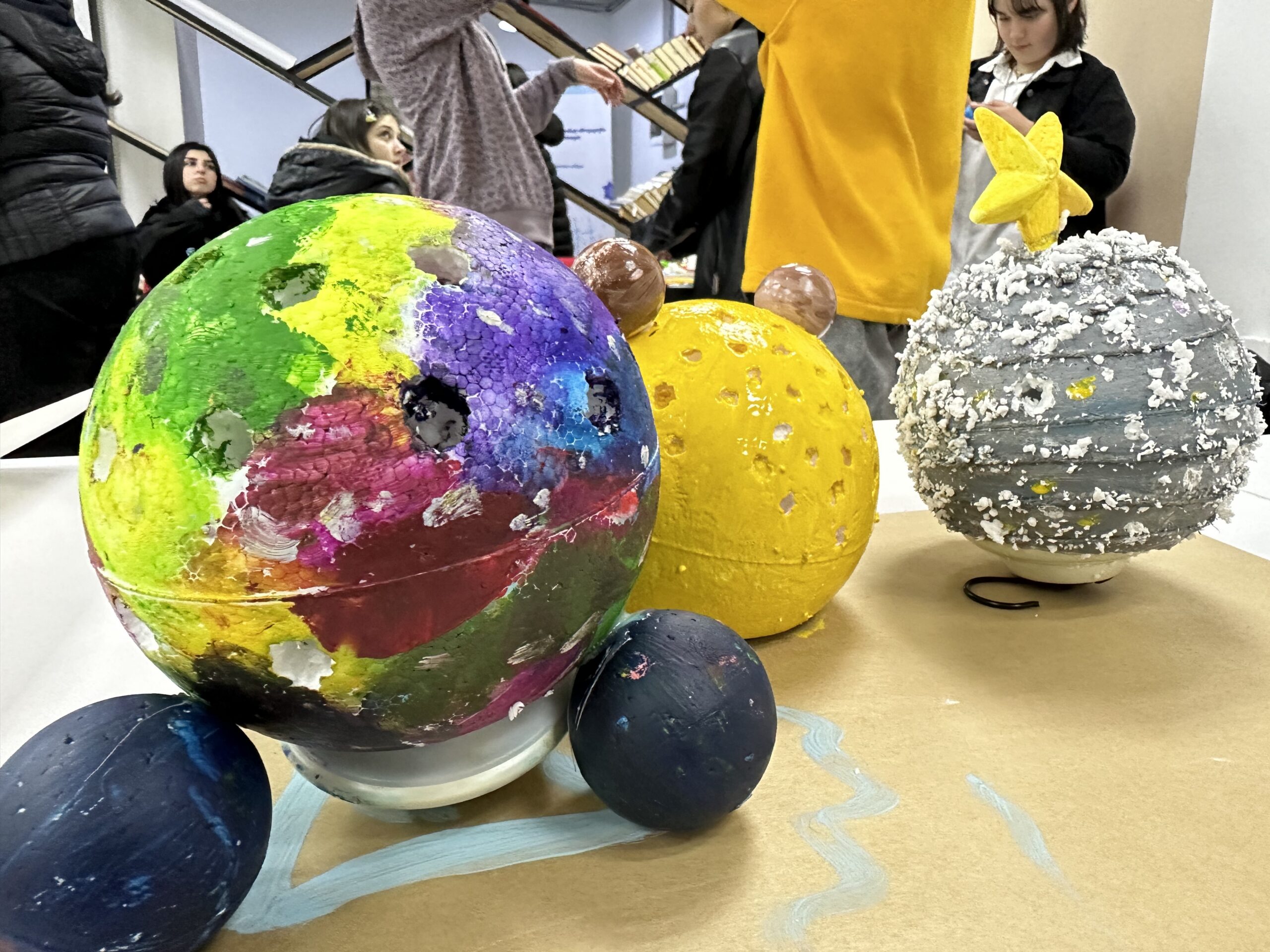
The activity aimed to explore how natural and artificial light in buildings affects our health, well-being, and emotions. Participants designed and created kinetic light devices intended to keep people alert, support better sleep, boost mood on gray winter days, enhance fun or party atmospheres or something else entirely.
Dispatch From the Field
We adhered to the original activity set up and briefs.
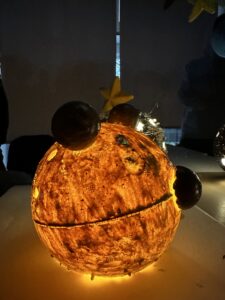
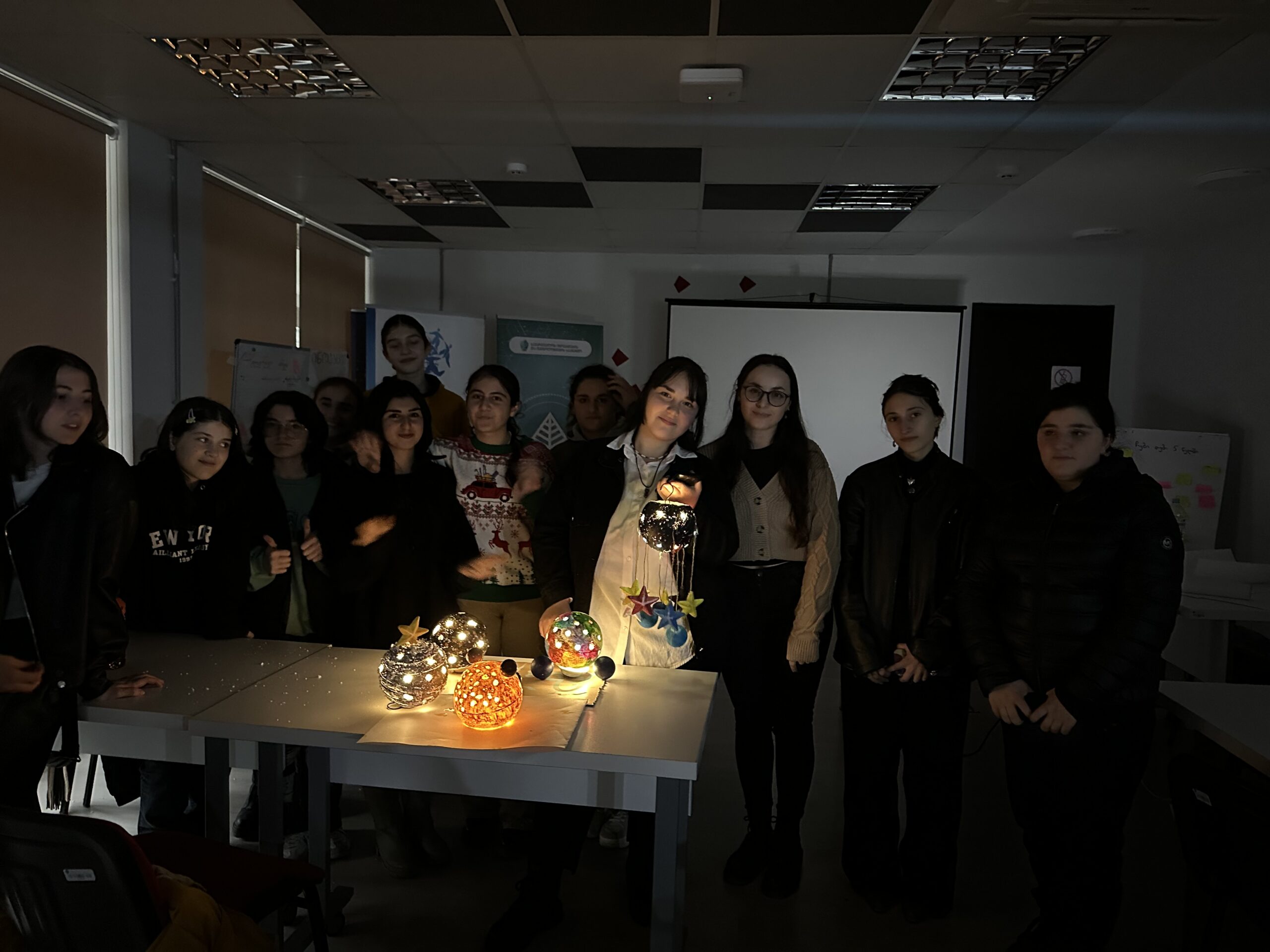
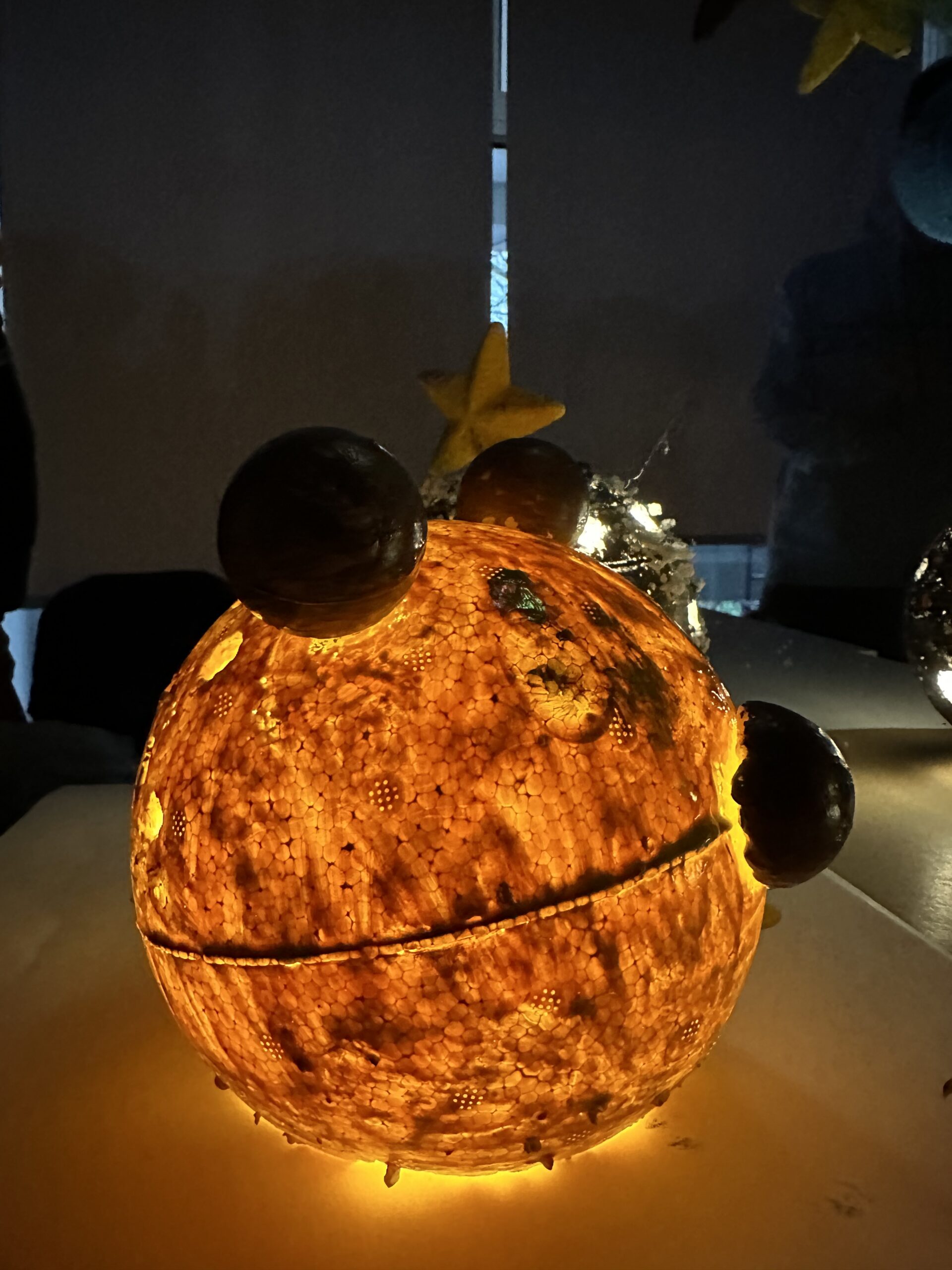
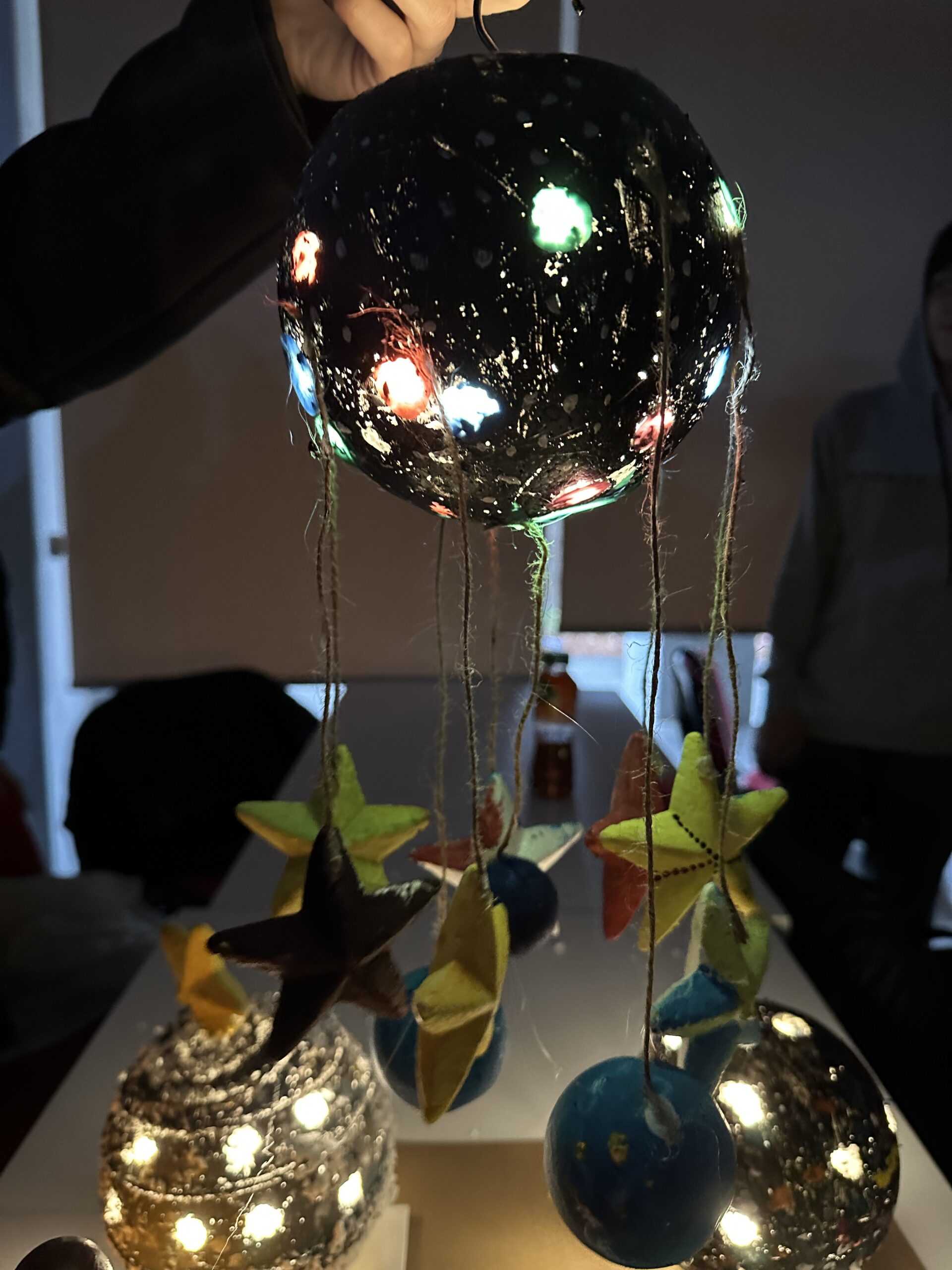
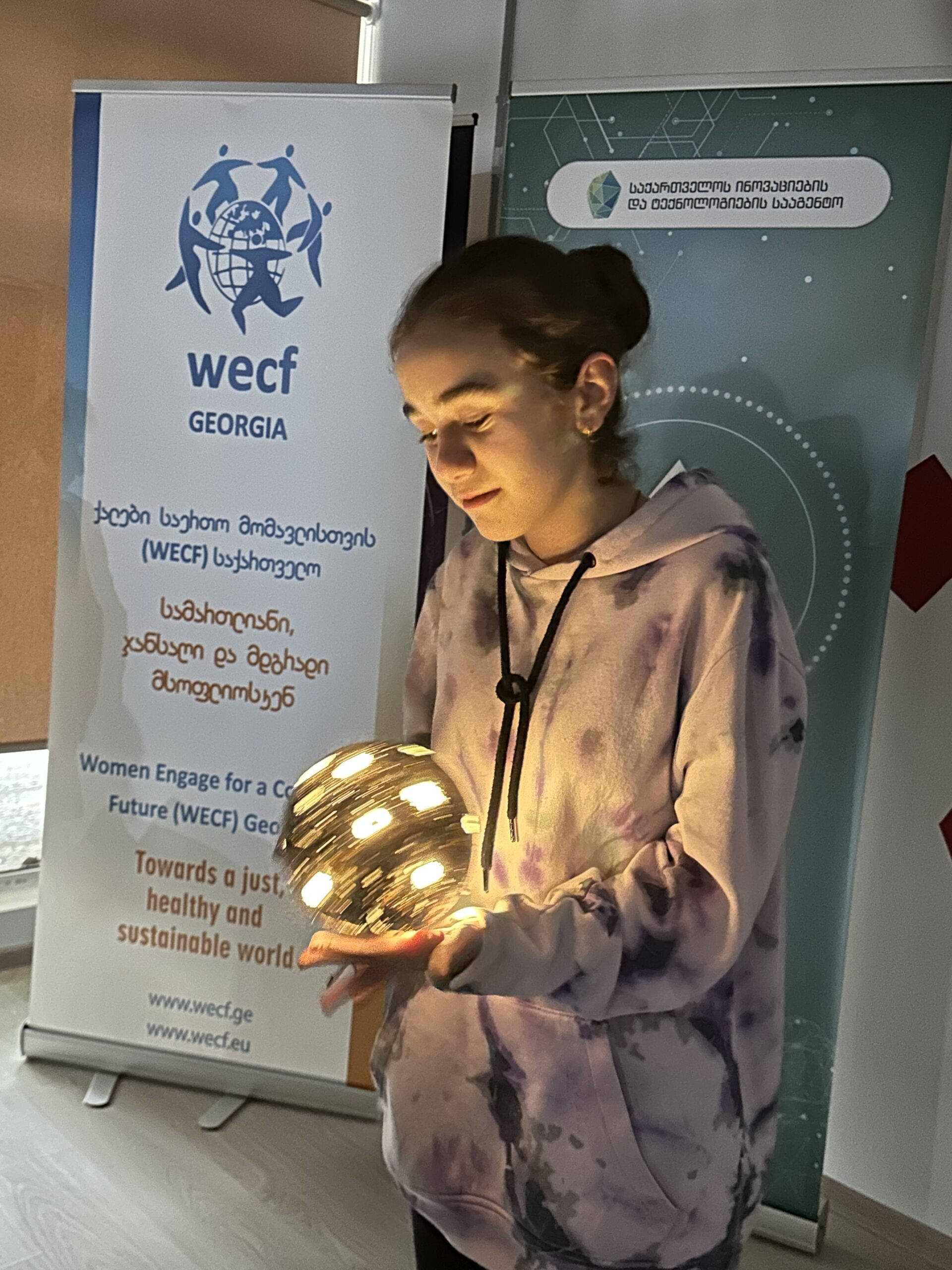
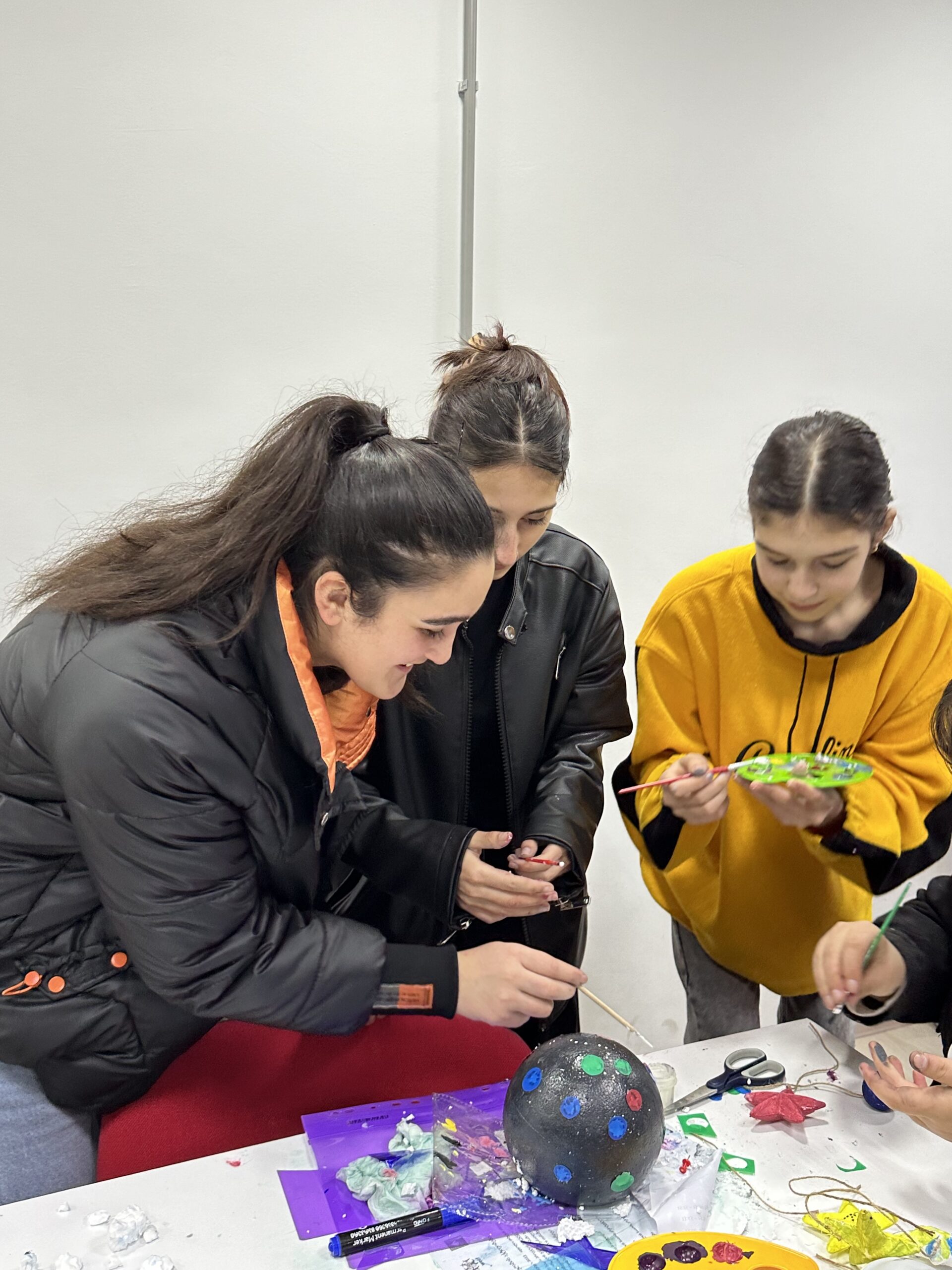
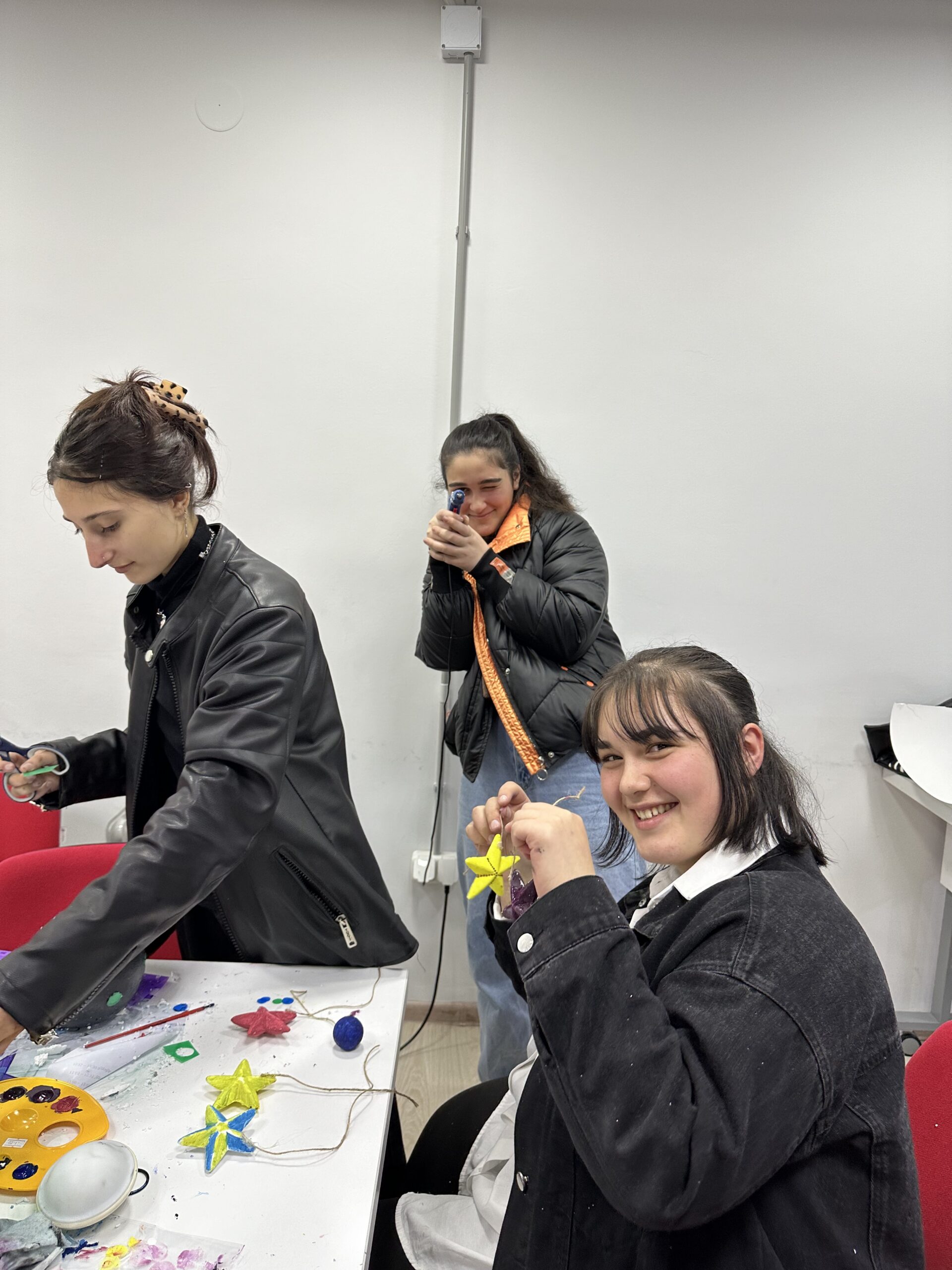
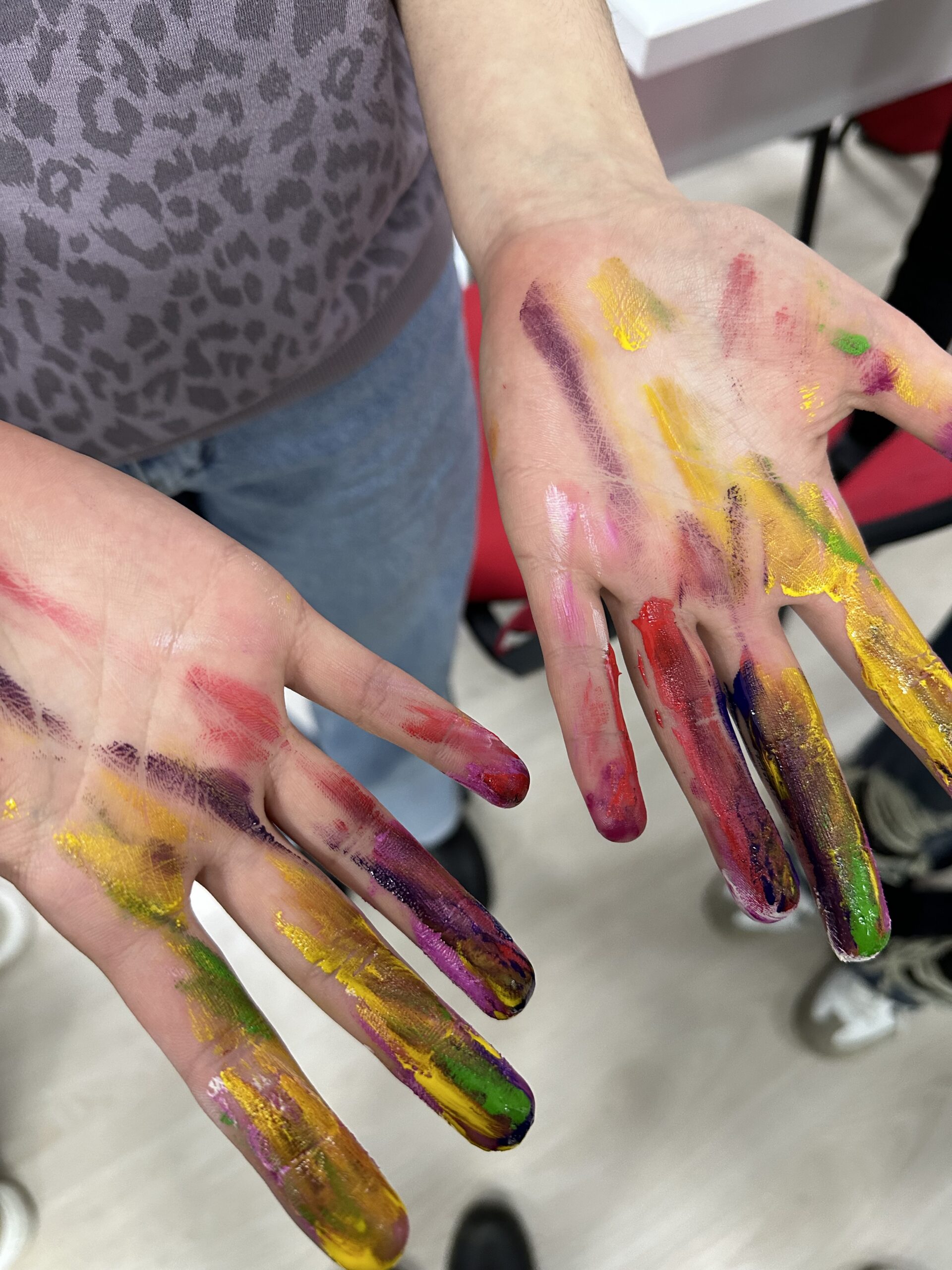
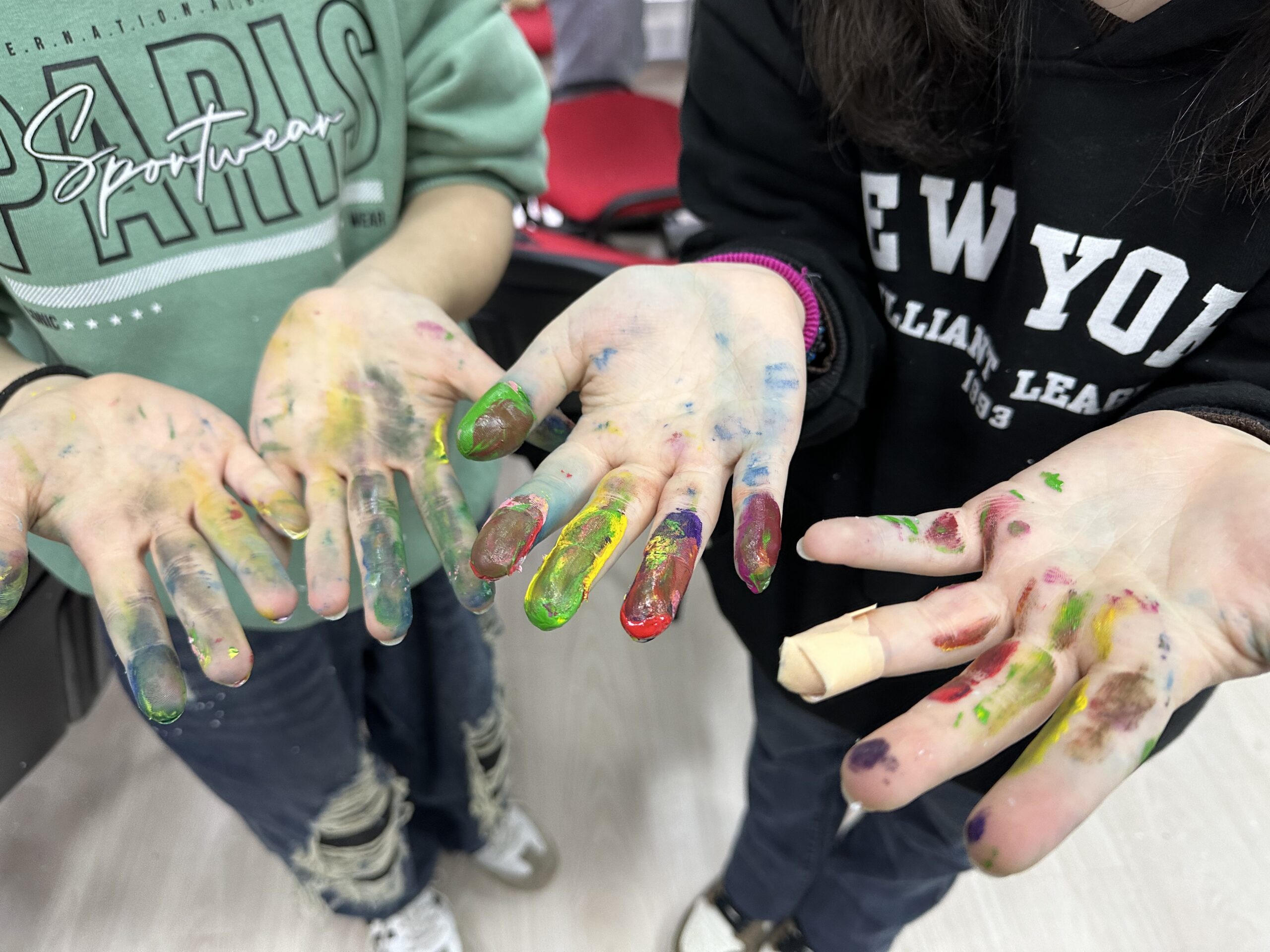
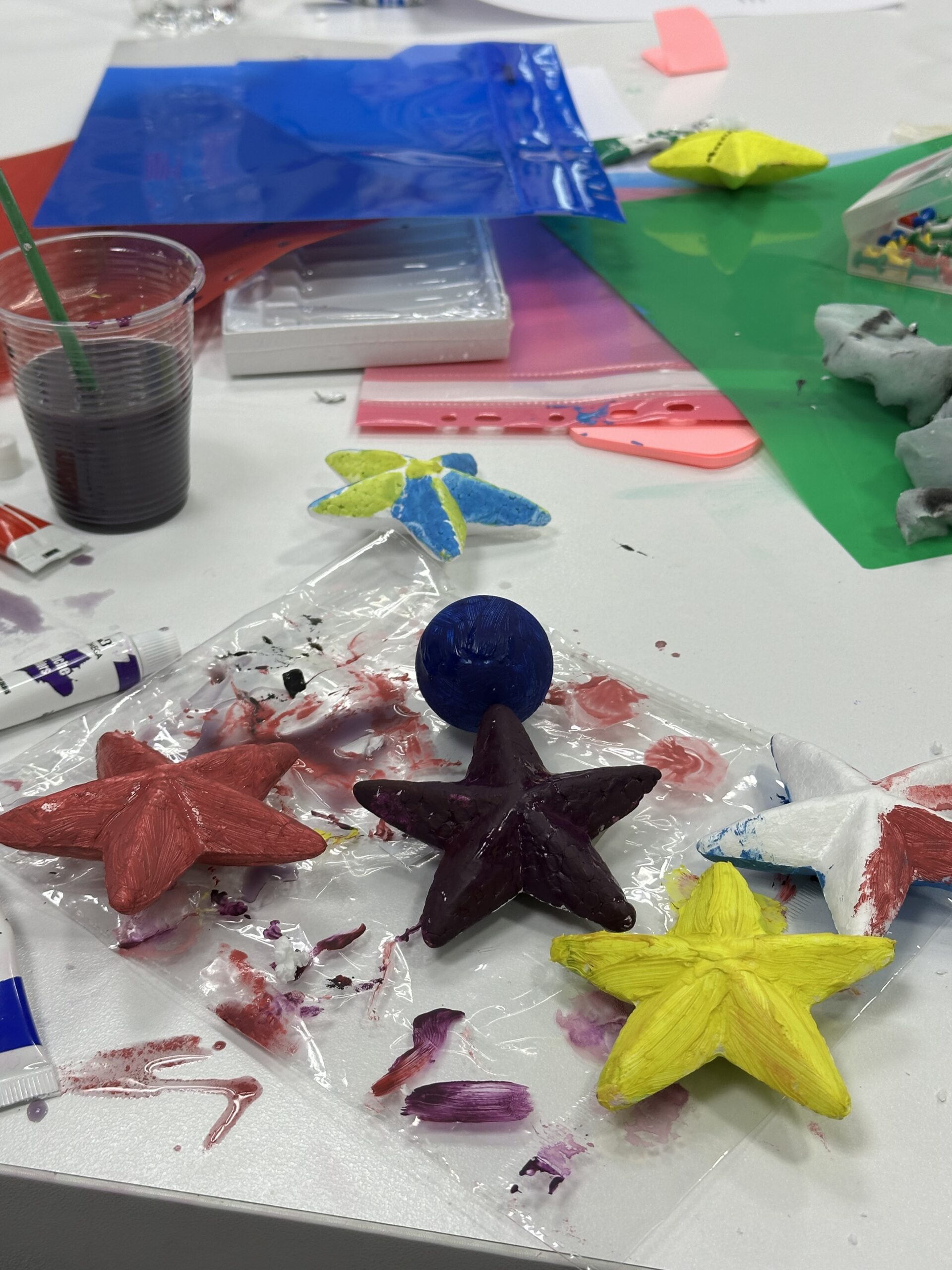
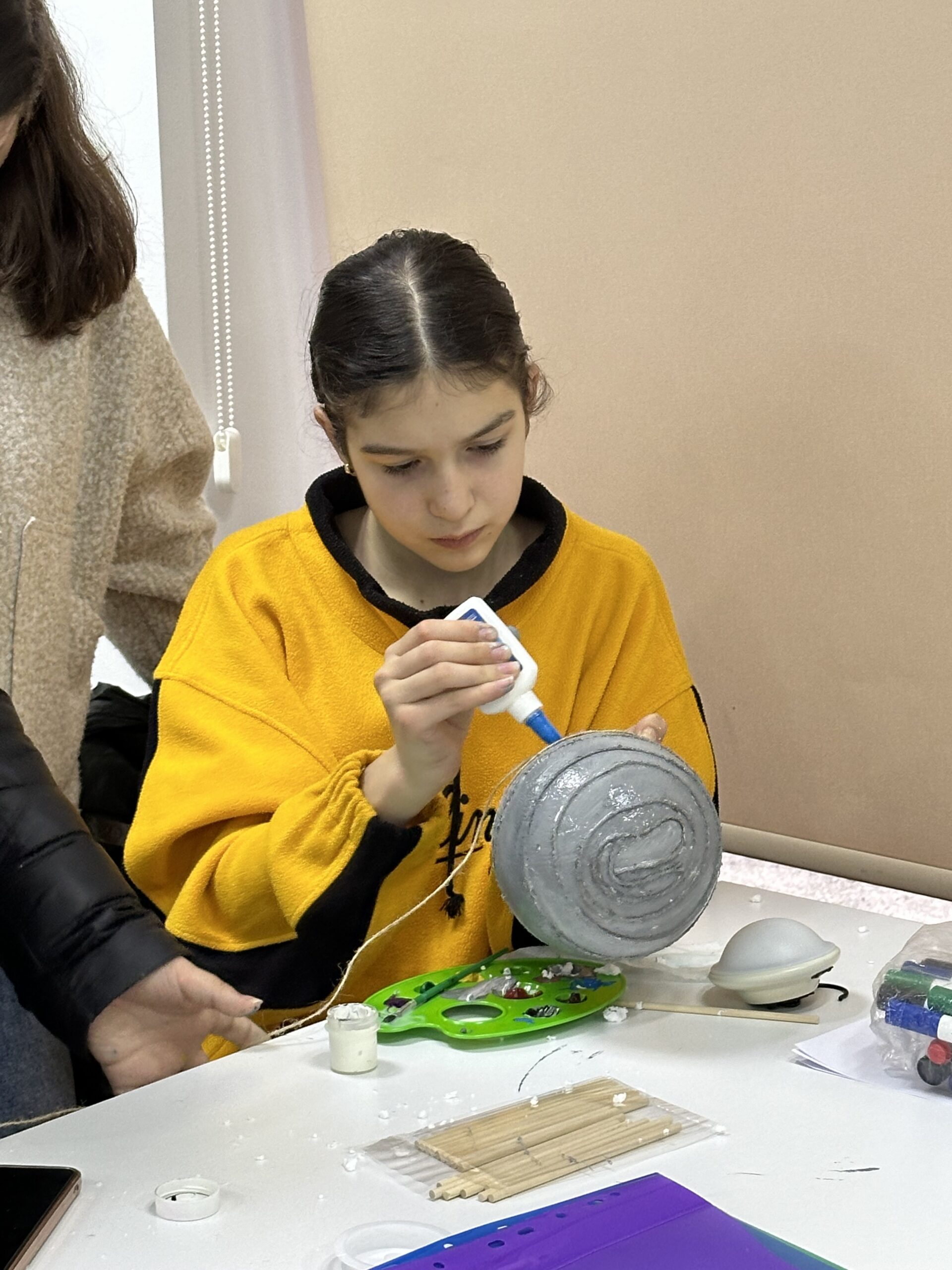
The activity was interactive, it involved making kinetic light fixtures, so the participants had complete freedom to use art objects, using different materials according to their brief. Also, they were given plenty of time to do activity that kept them entertained, motivated, and encouraged to use their imaginations. It was a good example of what a STEAM education activity could look like, and that’s exactly what the participants noted. Participants from ethnic and religious minorities actively participated in the exercise, although the participants were briefed on the type of devices they were making, they themselves highlighted their own audience. Students became actively involved in science, as the designing the kinetic light device involved observing light, designing and finally building the device.
Practical Details – Facilitator’s Notes
How did you modify the activity?
It was a challenge for us to find all the materials listed in the original activity description. Many of the items were not readily available in Georgia on short notice, so we had to improvise and replace about 70% of them. However, this turned out to be an interesting aspect, adapting the activity to a context where access to specific materials is limited. In the end, the exercise was a success.
The activity also had a stronger focus on health and how mental and physical health is influenced by different kinds of lights and colours.
How did you organize the space?
We worked in a well-lit room, with tables and chairs arranged in a U-shape. All the materials were laid out on the tables, ready for use.
Who did you work with?
The group consisted of girls aged 12 to 18, who were part of the Akhmeta Innovation Centre Lab and had previously participated in SENSE activities, and pupils from public school, some of whom were inexperienced with STEAM activities.
What resources did you use?
We used kinetic lights, paint, glue, papers, different shapes of easy to modify objects, materials from the nature
What did you learn?
To build a kinetic light device requires not only skills but also proper tools and materials, and it turned out that students needed more resources, or didn’t have experience how to use laser cut device and needed to ask other students for help, that’s why access to resources was relevant but also challenging as well.