Case Study in Brief
Description
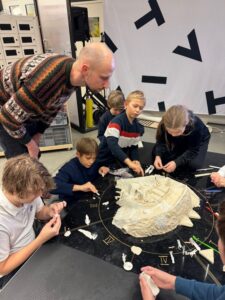
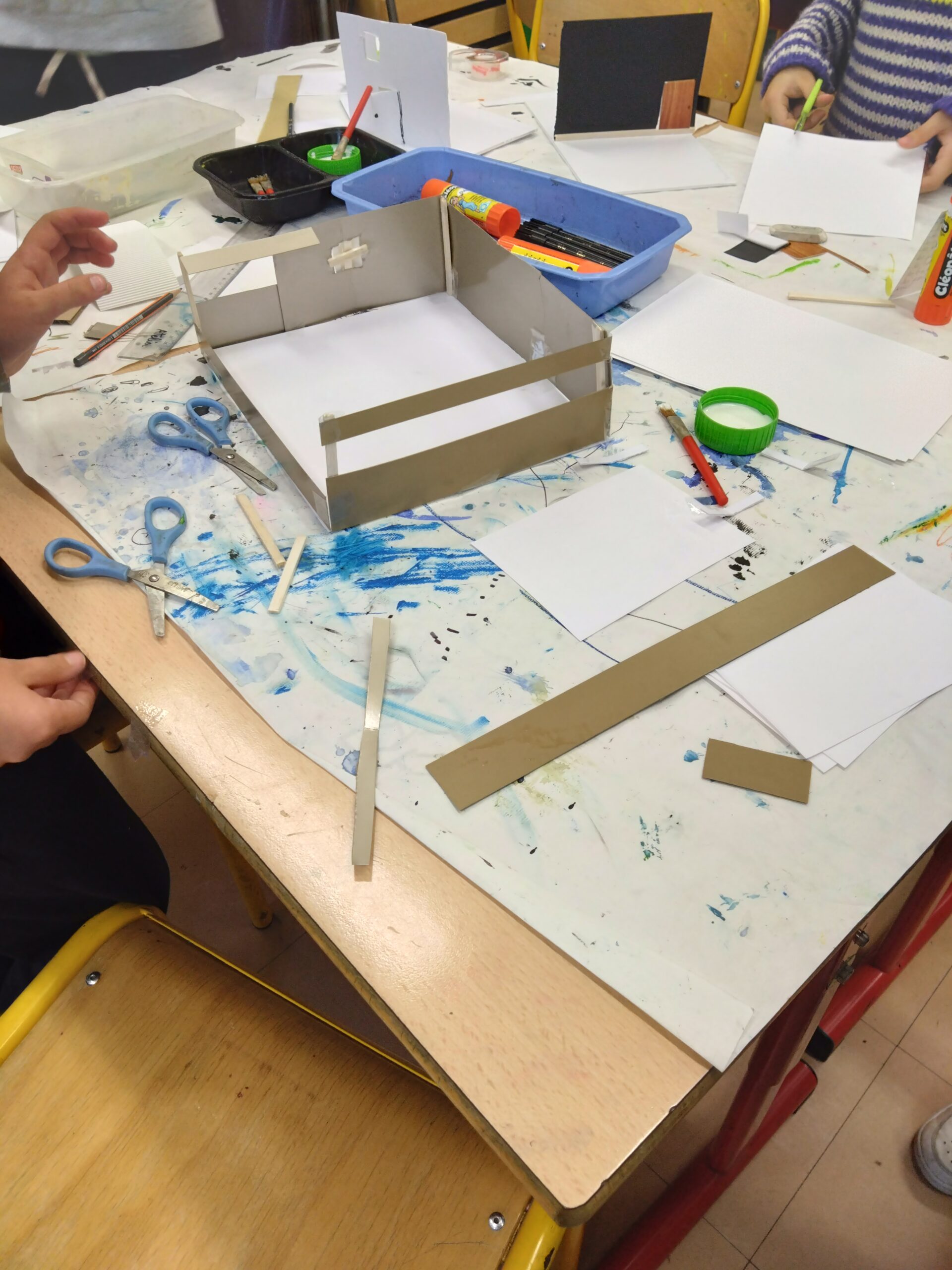
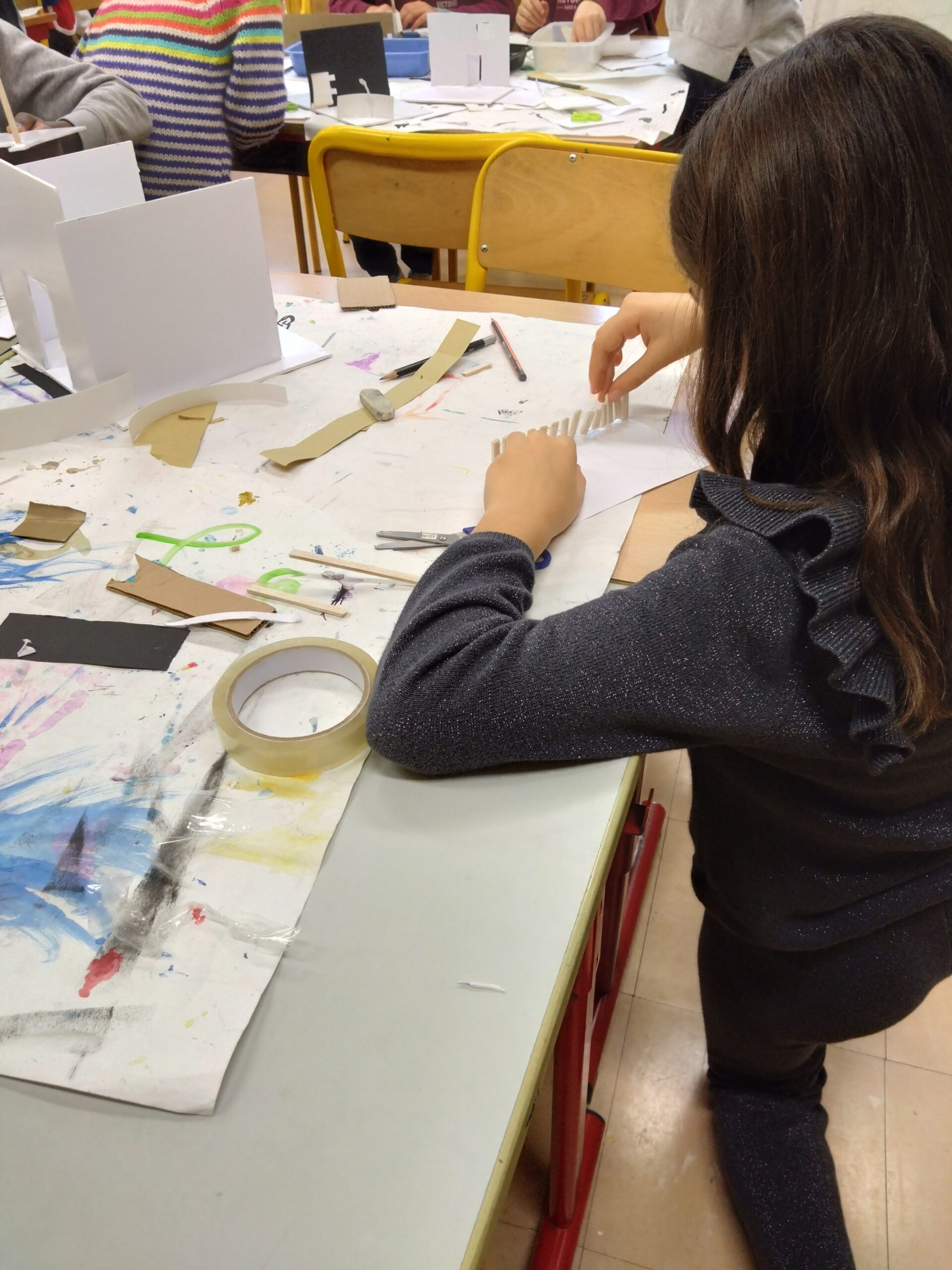
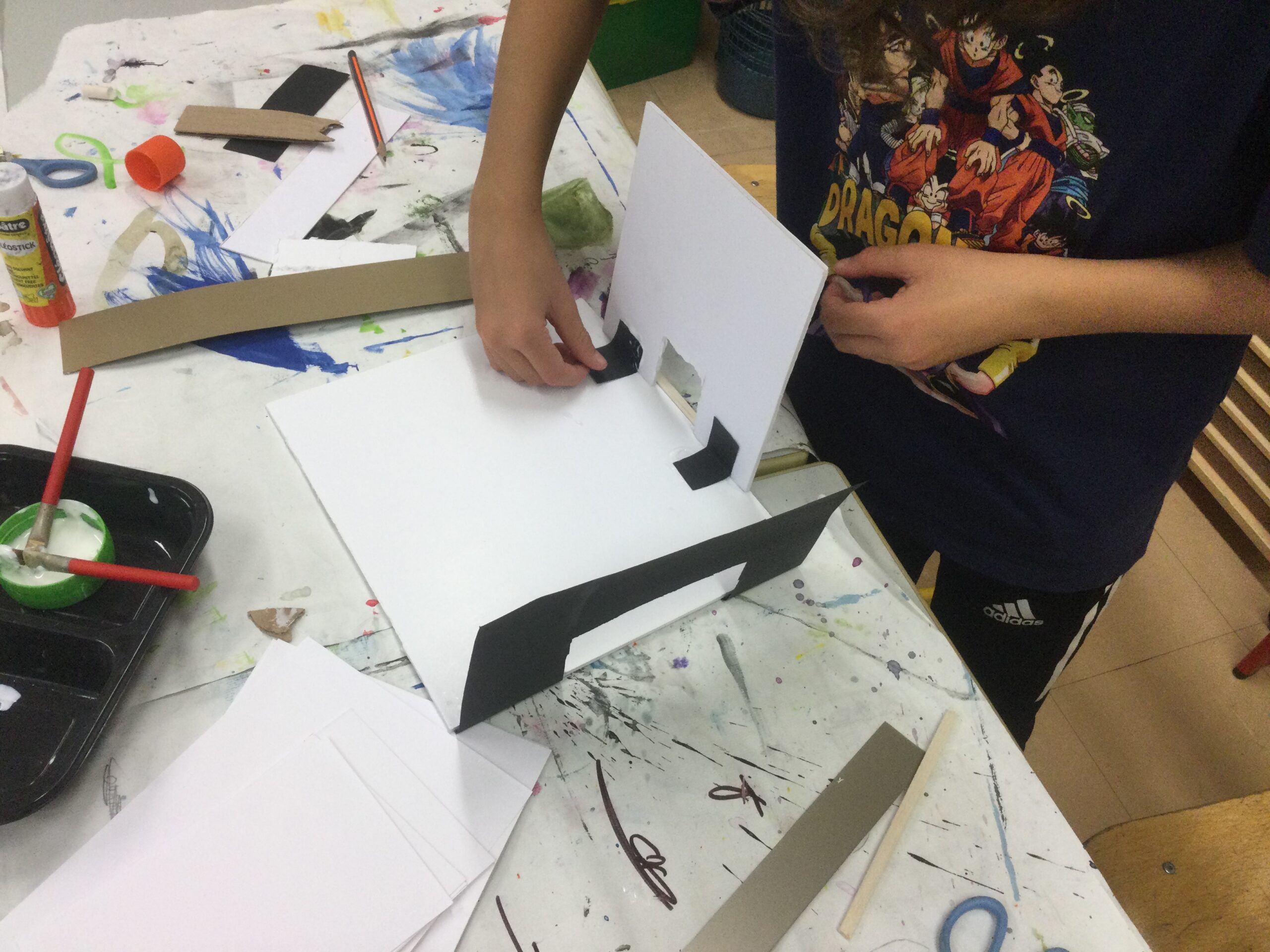
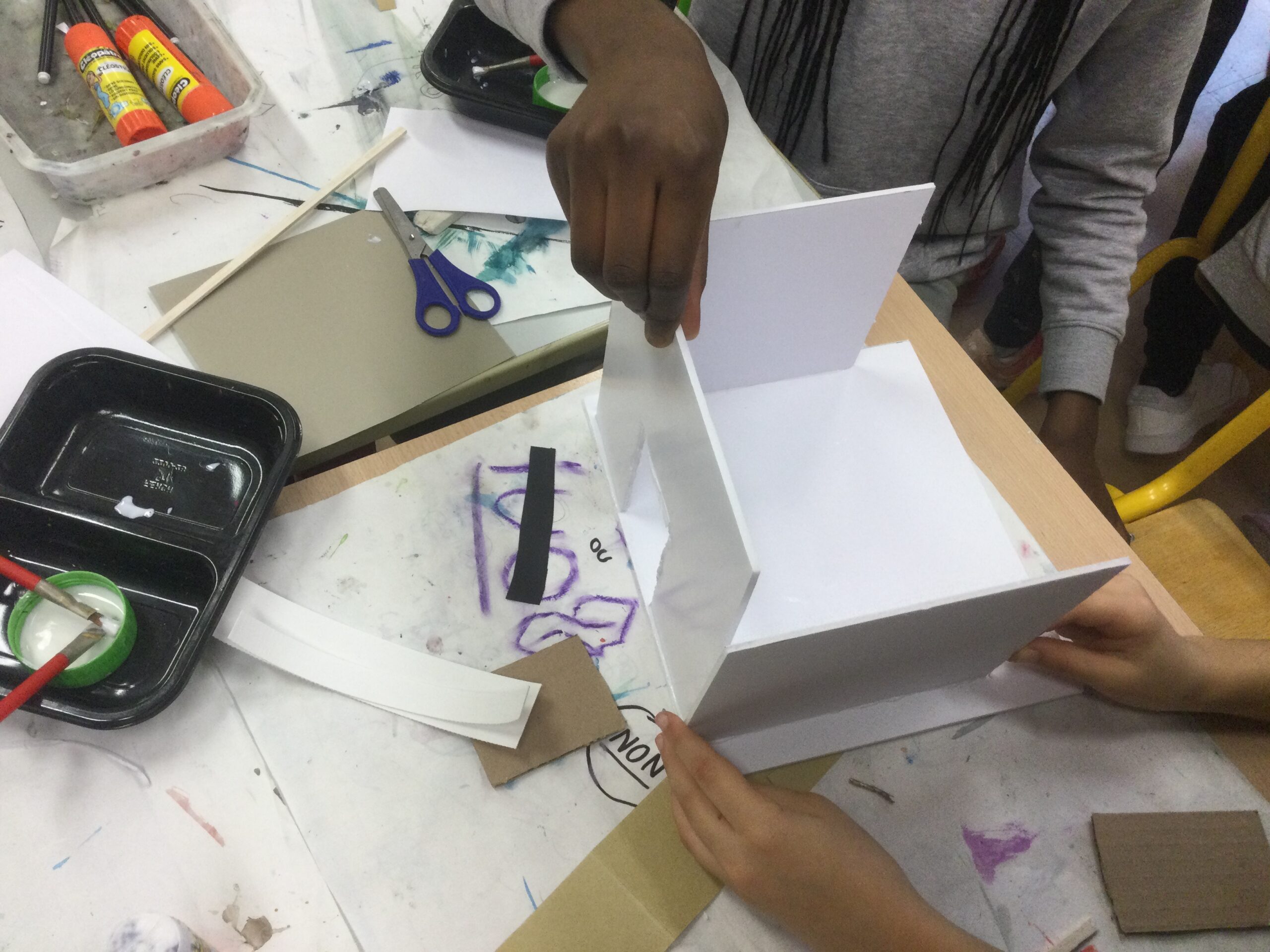
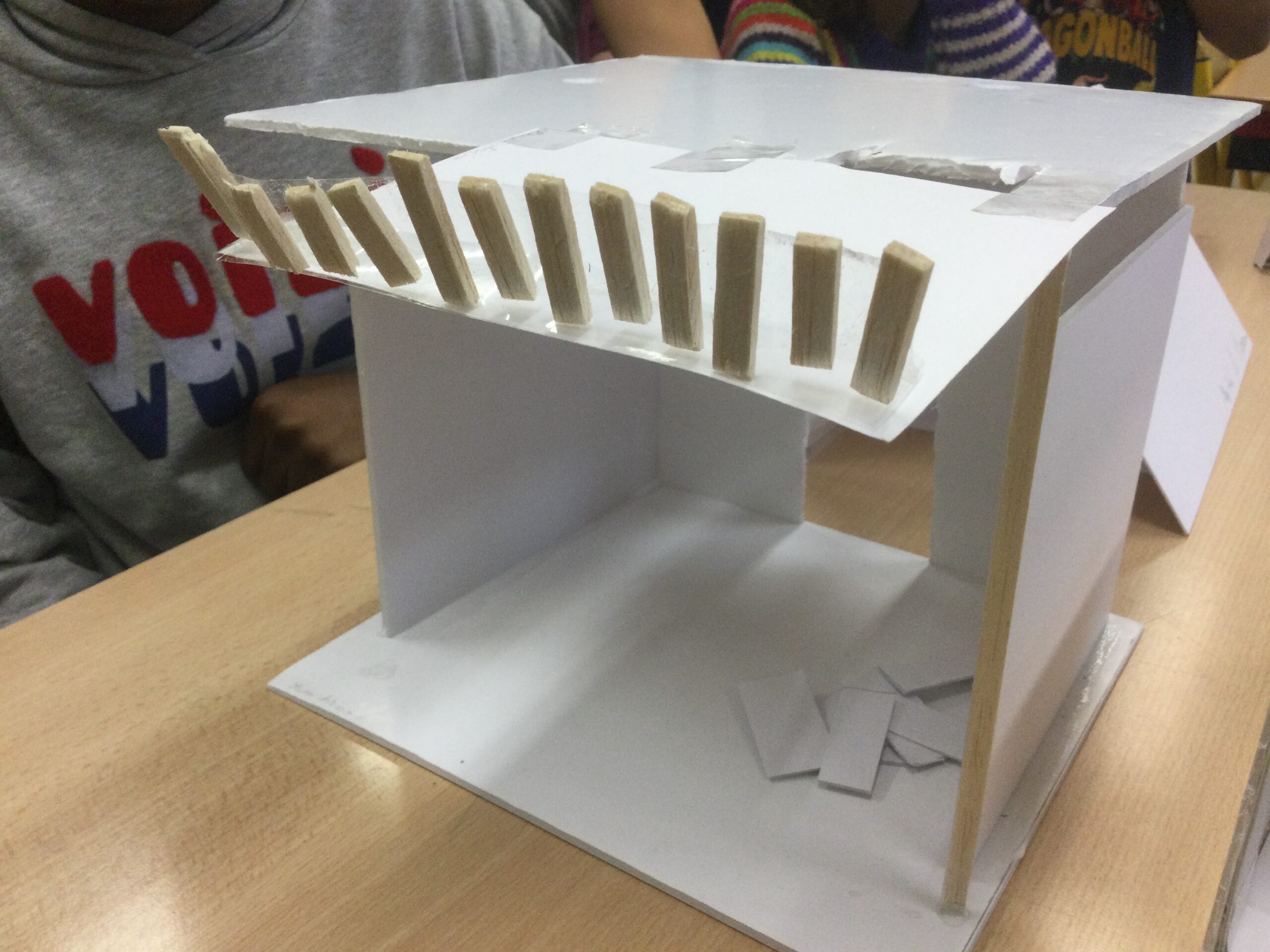
We use this workshop to explore how to create imaginary architectural spaces by building physical models. Working in pairs, participants use materials like paper, cardboard and foam board to test techniques such as folding, cutting, stacking and assembling.
The activity focuses on building stable three-dimensional structures. At the same time, it encourages creative thinking, new project ideas, teamwork and hands-on exploration of materials.
Participants work with ideas like structure, stability, solidity, balance, imbalance and support. We include references from art and architecture to support spatial awareness and group problem solving in design.
We treat the process of building together as a way to explore key ideas in design, technique and architecture.
Dispatch From the Field
This workshop invites participants to design and build architectural models of imaginary spaces using a variety of materials. We aim to encourage three-dimensional thinking, creativity and manual skills, with a focus on teamwork, conversation and hands-on exploration.
Preparation
Before the session, we prepare the materials. We pre-cut any pieces that may be too difficult for participants to cut on their own. We organize the materials in flat boxes to make them easy to access, distribute and manage in groups.
Introduction
We begin with a short introduction to explain the main goal of the session, which is to explore how architectural spaces are shaped and supported. We encourage a creative mindset and stress that the focus is on trying out construction methods, not on making perfect results.
1. Visual inspiration:
We show a selection of references from architects such as Lina Bo Bardi, Kazuyo Sejima and Benedetta Tagliabue, along with visual artists who work with installation and space. We open a group conversation about how these figures think about volume, structure and form. Participants can ask questions and share their thoughts.
2. Group organisation
We divide participants into pairs or groups of three. Each group starts from a shared base and works together to design and build a model.
3. Demonstration of materials and techniques:
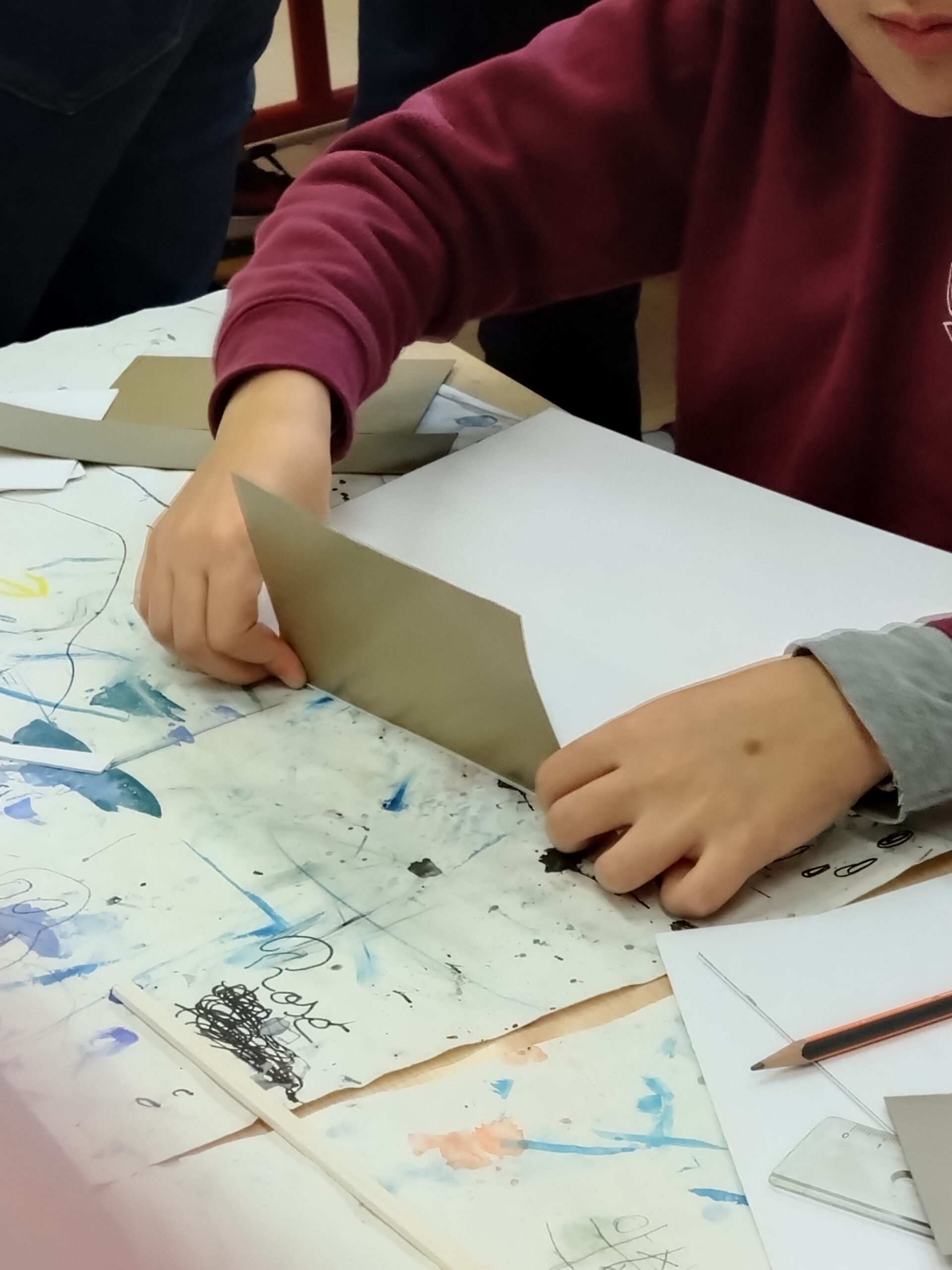
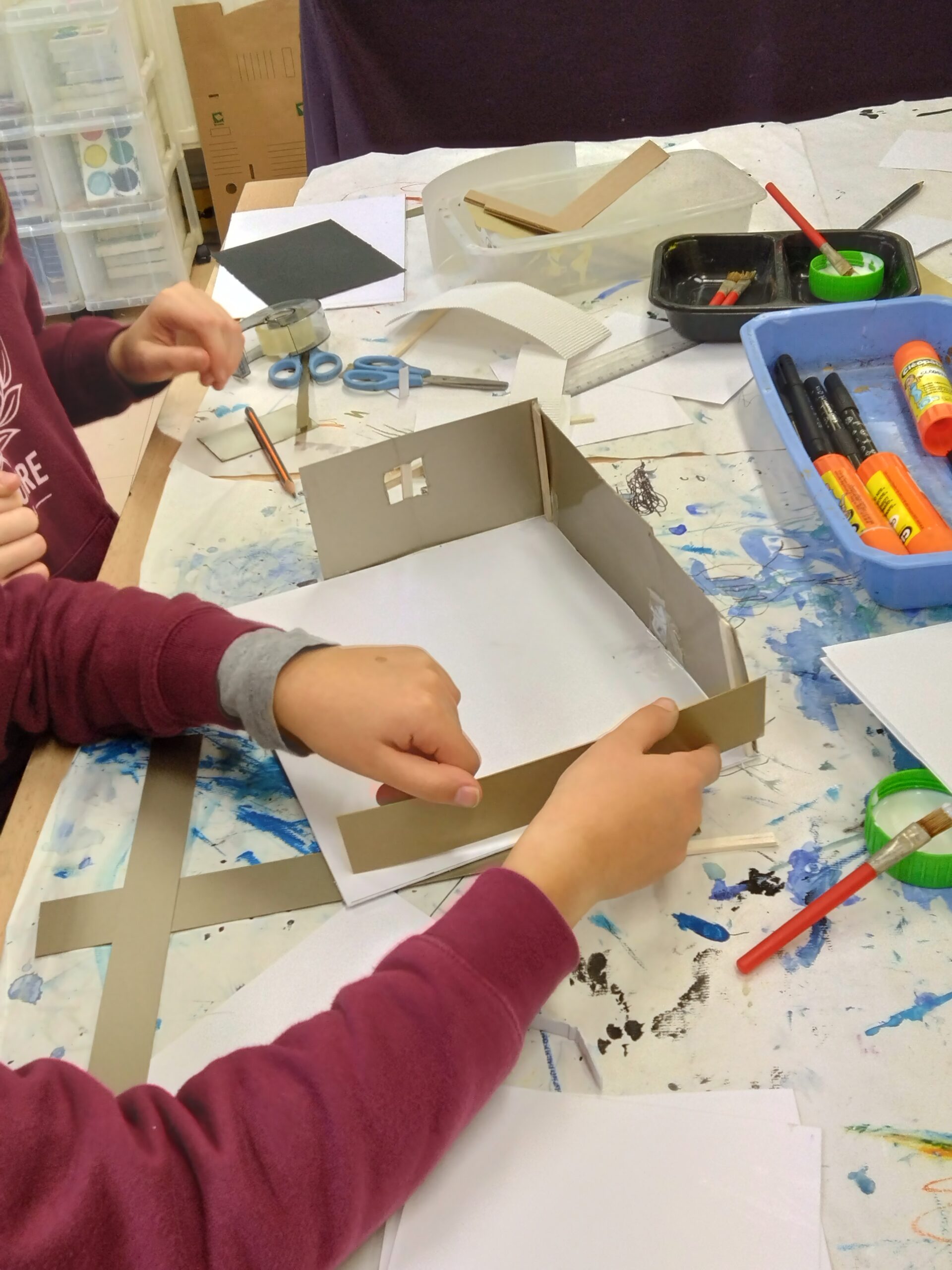
We present the full range of available materials and explain their properties. The facilitator demonstrates basic model-building techniques including folding, gluing, cutting, stacking, layering and creating openings or compartments. We show examples of both stable and unstable structures. Each group must find ways to keep their models standing using only the provided materials.
4. Material Experimentation and Construction:
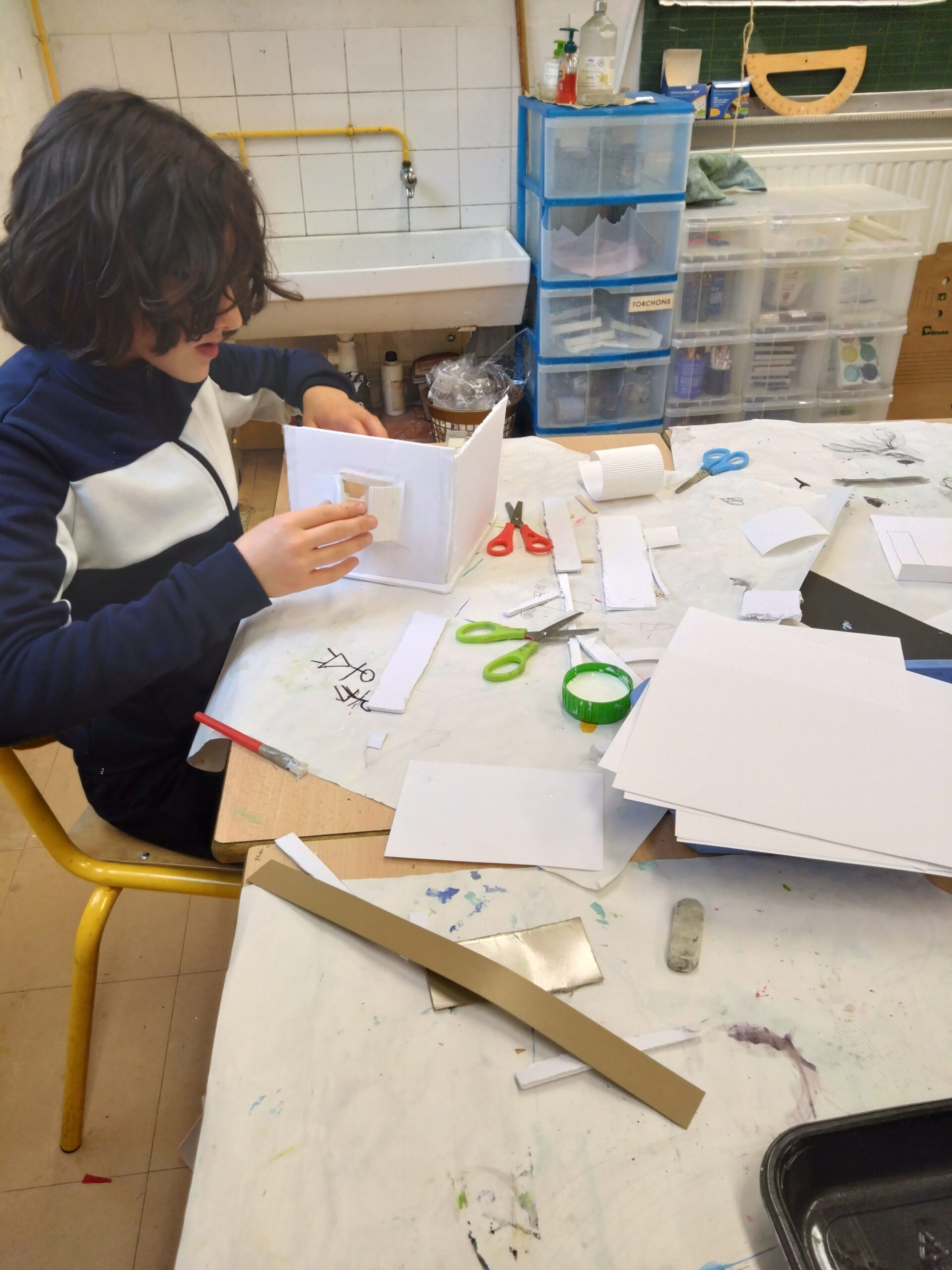
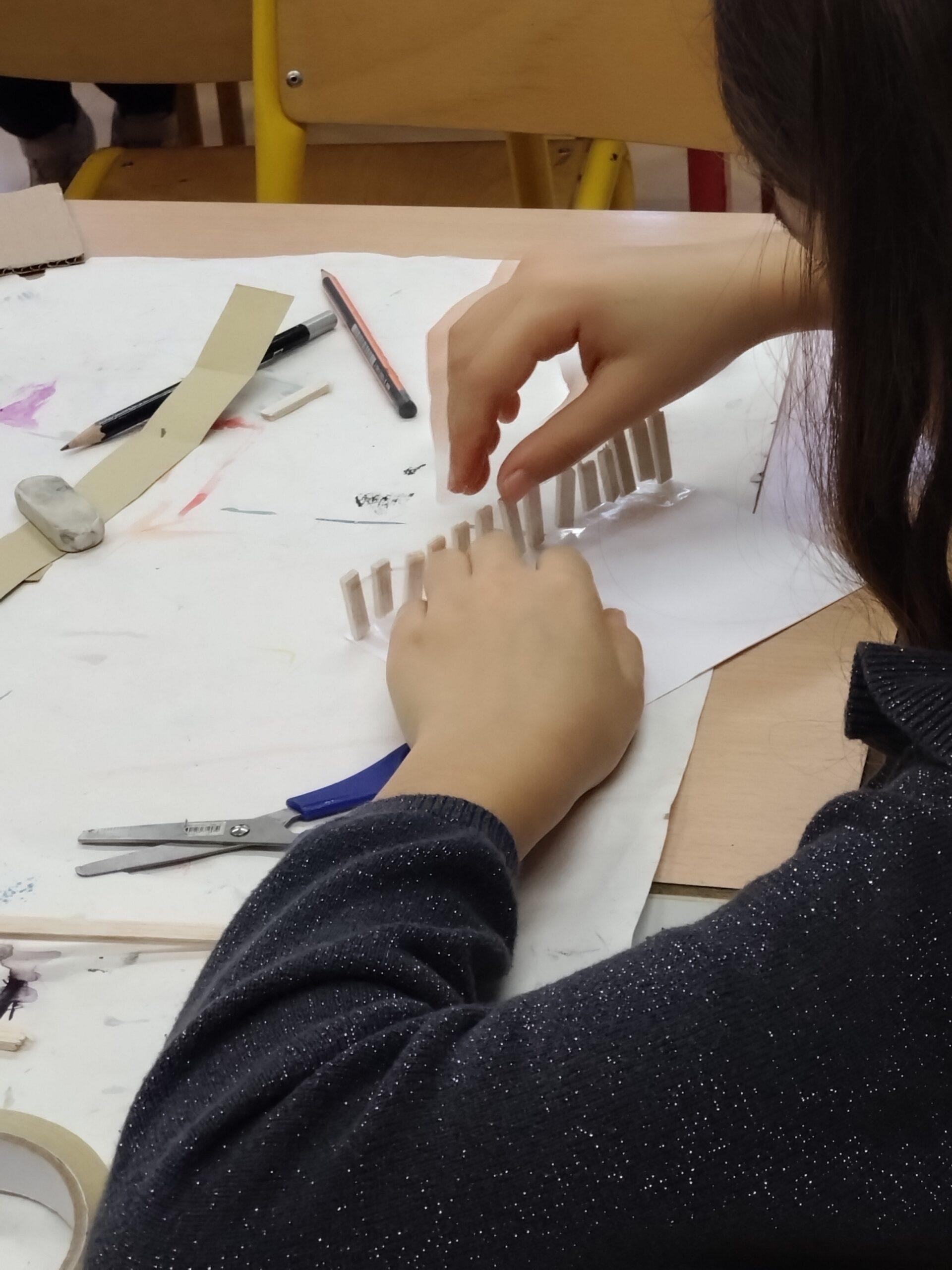
We hand out the materials to each group. Participants experiment with the suggested techniques and are encouraged to try out new ones. They have enough time to test ideas before they begin building their imagined spaces. The facilitator checks in with each group, offering support and inviting them to share tips and discoveries with each other.
Sharing and Collective Discussion:
After building, participants place their models on a shared surface like a large table or the floor. Each group presents their model, explaining its concept, how they handled structural challenges, what strategies they used and how they made group decisions. The facilitator leads a short group discussion about the different outcomes and creative approaches.
Practical Details – Facilitator’s Notes
How did you modify the activity?
This workshop is around two hours. It is based on the methodological approach of the Making Together activity and proposes to apply it in a concrete way to an activity involving the co-construction of architectural models.
This workshop is designed to precede the Lighting Ambiances activity but can be implemented independently.
How did you organize the space?
This workshop requires a well-lit indoor space with large, uncluttered worktables to accommodate the various materials used and allow participants to move around the tables to work on the model from different angles.
Who did you work with?
We run this workshop in a French primary school with a group of 25 children aged 10 to 11. They take part with their regular teacher and their specialist art teacher. We organize the group in pairs to support collaboration and peer learning.
We plan the theme and focus of the activity together with the teachers. Our goal is to connect the workshop to key elements of the French national education programme. We focus especially on developing spatial intelligence through assembly techniques and working with three-dimensional forms.
What resources did you use?
We provide a variety of accessible, neutral-toned materials to help children focus on shape and structure. These include foam board, cardboard, tracing paper, reflective and metallic paper, and mid-weight paper between 120 and 160 grams. Tools include scissors, glue, tape, cutting mats and cutters, which are used with supervision. We also offer balsa wood rods to support model stability.
We present visual references from architecture and art through a slideshow. These examples help students explore space, materials and construction methods.
What did you learn?
This hands-on, group-based workshop supports imagination, spatial thinking and problem-solving. It gives students the chance to engage with materials in a direct and creative way, while learning to reflect on architectural ideas through teamwork.