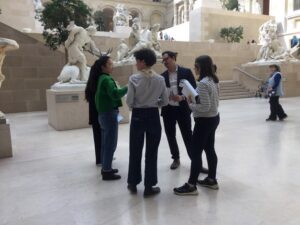
The theme of 'Bodies' investigated the corporeal experience of visitors through the conceptual framework of Photovoice. The focus of this investigation was on body movements and spatial relationships within the museum environment. The objective of this study was to ascertain the influence of the museum context on visitor behaviour. The Napoleon III Apartments and the Denon Wing were selected as observation zones for this purpose.
STEAM trajectories in Museums
The museum education methodology was primarily developed in collaboration with the renowned Musée du Louvre, which inherently shaped the examples produced. Nevertheless, the methodology has been successfully applied in numerous museums worldwide.
While the Louvre's extensive collections, architectural layout and diverse visitor demographics offer significant opportunities for exploring museum pedagogy, they also impose limitations on our research methodologies. This study is structured around four themes that reflect the sensory experiences of visitors, encouraging an in-depth analysis of interactions, movements and the overall atmosphere within the museum.
During our research, the entire consortium participated in field studies at the Louvre. Participants were divided into working groups, each investigating a distinct research theme related to museum pedagogy: 'bodies', 'interactions', 'circulations', and 'soundscapes'. Each group used custom Citizen Science methodologies to collect data in specific areas of the museum, highlighting the multi-sensory aspects of visitor experiences.
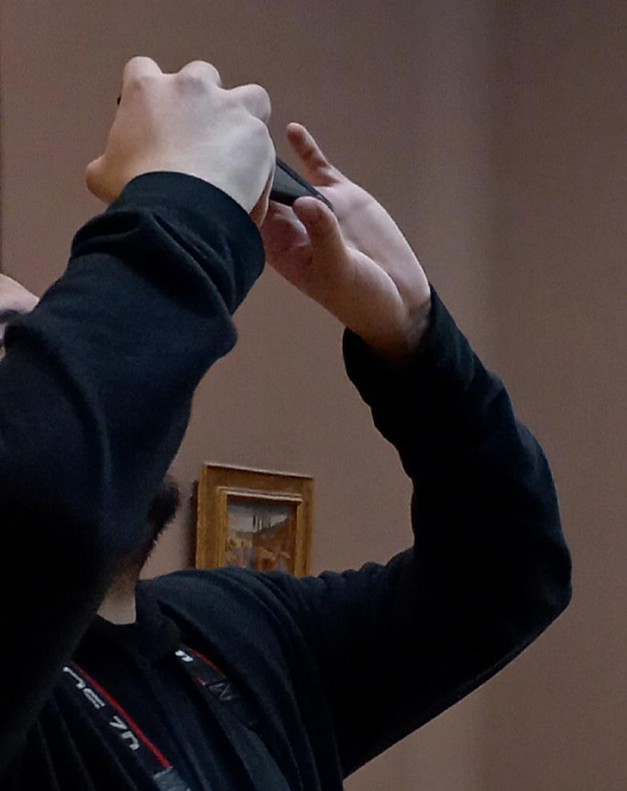
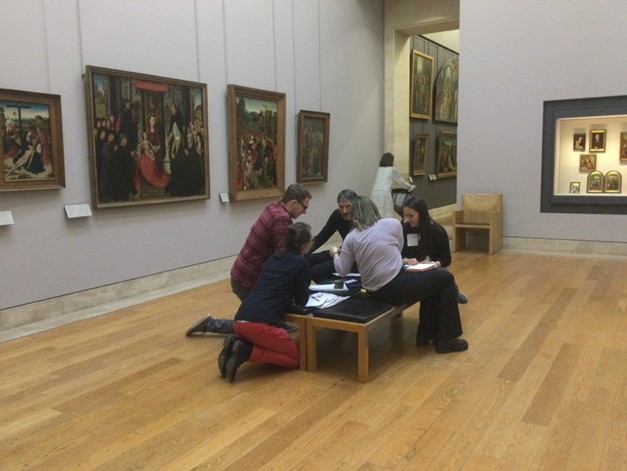
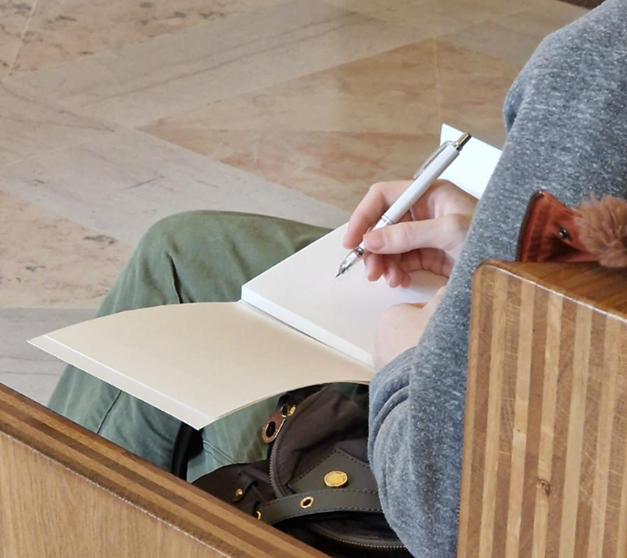
Interactions - Note Taking: In this section, participants were tasked with documenting a variety of interactions, both verbal and non-verbal, that occurred during museum visits. Utilising note-taking techniques, the group analysed social dynamics among visitors and their engagement with artworks, focusing particularly on the Antiquités Orientales department's Khorsabad Courtyard.
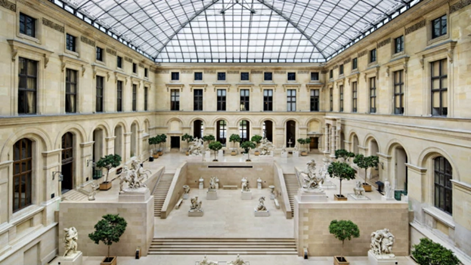
Circulations - Mapping: The overarching objective of this theme was to employ geospatial analysis to map the movement patterns of visitors within the museum, with the aim of investigating spatial orientation and the dynamics of movement. By observing the circulation patterns in the Marly Courtyard, the group evaluated the role of various factors, including the location of exhibits and social dynamics, in shaping visitor pathways.
Soundscapes - Low-cost Sensing: The primary objective of this group was to analyse the auditory environment of the museum using low-cost sound measurement tools. The present study sought to ascertain the influence of sound on the aesthetic and emotional experiences of visitors in various spaces, with a particular focus on the French Painting section.
Download the full report and recommendations
Full report on theory and action for museums
While we were doing our research, everyone in the group took part in field studies at the Louvre. The different working groups looked at four key topics related to museum. These topics were 'bodies', 'interactions', 'circulations' and 'soundscapes'. We give you a detailed report on current state of research, a set of proven activities and hands-on examples on how this can look like in the specific case of the Musèe du Louvre. Read PDF