
Activity in brief
This activity invites participants to map and deepen their understanding of an environment or space—whether indoors or outdoors—by placing the body and sensory perception at the centre of the experience. By amplifying sensory capacities and shifting away from the dominance of sight, elements that typically remain hidden, come to the surface. This activity opens up new perspectives and unexpected ways of engaging with the places we inhabit.
Detailed instructions
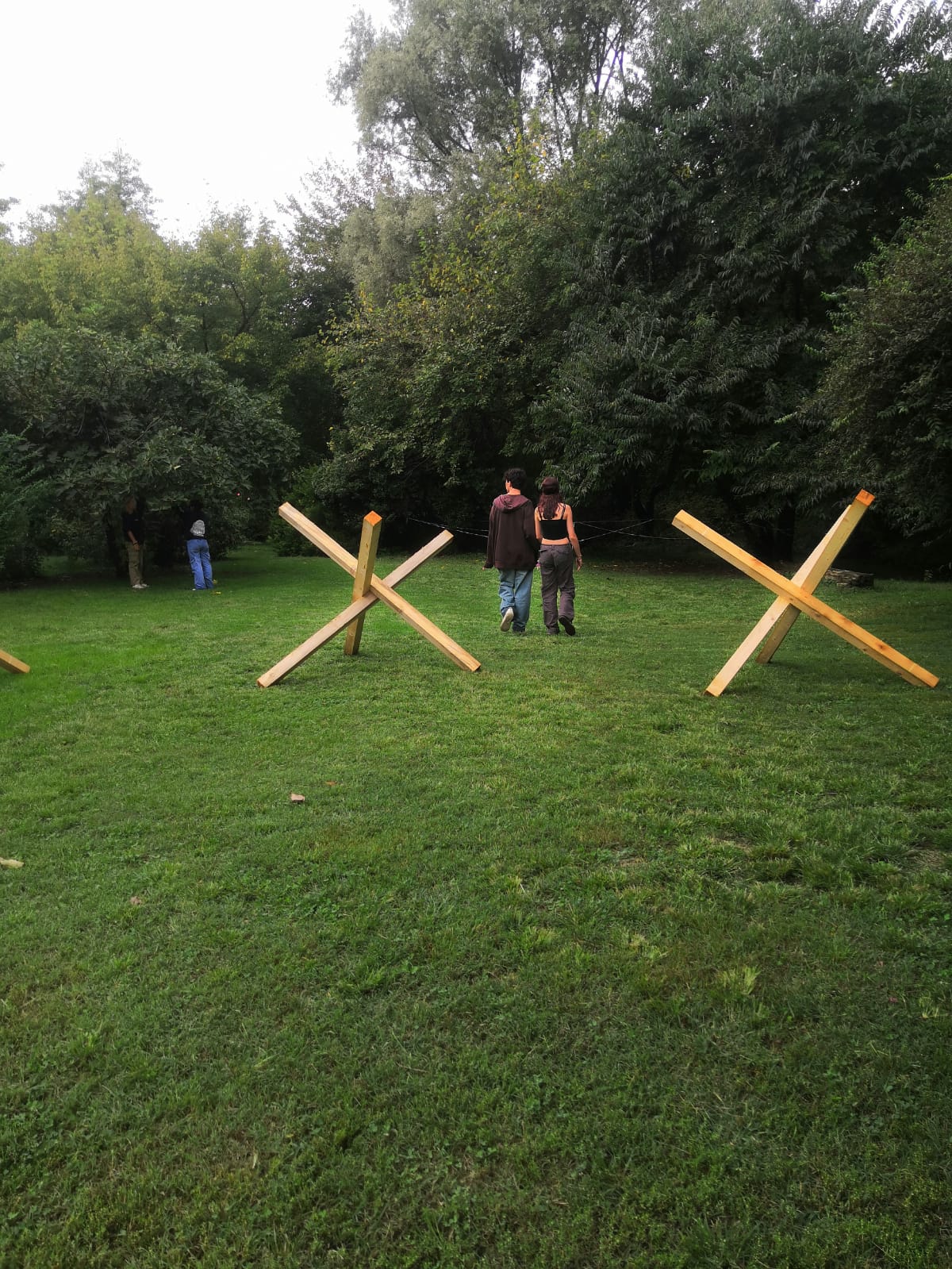
- Warm-up (30 minutes)Set up a defined pathway in a confined area where unexpected objects—like a fork, a toy, or a glove—are strategically placed. Participants walk along the path, using their sight to count and document the objects they encounter. They then repeat the walk in the reverse direction, revealing new perspectives and, hopefully, even additional objects. Following the walk, facilitate a discussion focusing on the sense of sight and how it works, attention and attentiveness, perspective, and mimicry.
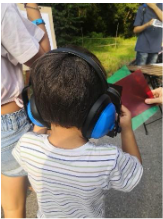
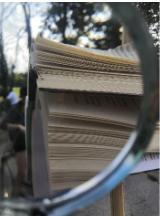
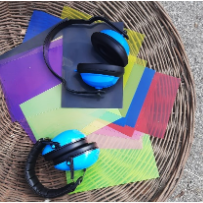
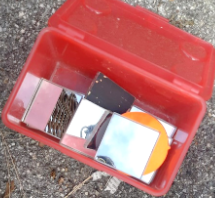
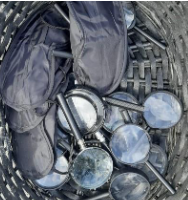
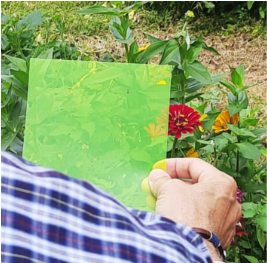
- Sensory modification exploration phase (30–60 minutes) Provide sensory altering tools such as blindfolds, small mirrors, noise cancelling headphones. Stethoscopes, coloured filters and lenses. Let participants choose one and put it on. Working in pairs, participants take turns navigating the space—one experiencing the modified sensory input, the other observing and guiding. They explore their surroundings, noticing overlooked details, uncovering hidden elements, and reflecting on how these changes reshape their interaction with the environment. We invite participants to actively experiment with objects, lights, walls, materials, and flooring. Outdoors, they engage with natural and physical elements—grass, bark, leaves, water, walls, shadows, sunlight, and wind—immersing themselves in a unique and personal sensory experience.
- Mapping (15 minutes to 45 minutes, depending on the method) After the exploration, participants document their experiences. They may choose to draw a sensory map, create a collage on a map of the explored area, or use transparent sheets to map their perceptions, thus creating a multisensory overlay representation of the space. Participants can add reflections on what they observed and how their perceptions changed to their maps.
- Sharing and Feedback (30–45 minutes)Participants gather to present their maps, collages, and written reflections. During this session, they compare experiences, focusing on how the alteration of sensory inputs influenced their understanding of the environment or the place. The discussion should also explore whether these new ways of interacting with space can be applied in everyday contexts, ultimately deepening their awareness of the hidden qualities of a place.
Practical details
Duration
The overall activity can range from 2 hours to 3,5 hours
For Whom
This activity is for everyone, from primary school kids to elders, from formal to informal learning settings.
Materials needed
- Blindfolds (for vision reduction)
- Noise-cancelling headphones or earplugs (for sound reduction)
- Small mirrors to mimic having eyes on top of the head
- Coloured transparent gels or filters (for colour perception shifts)
- Stethoscopes or contact microphones (for amplifying hidden sounds)
- Papers, pencils, or other materials for mapping/documenting experiences
- Random objects to be distributed in the area. You can consider 10-20 different objects.
Space requirements
Space is the key element of this activity, as it provides the context in which participants explore, map, and deepen their understanding of the environment. The chosen space can be either an indoor or outdoor setting, and it may be a familiar, well-known place or an entirely new territory to be discovered in depth.
Recommended Feedback tools
Try out to combine this activity with fast networking, which you will also use at the end of the session to facilitate reflective feedback. Or make use of the Manifesto card game!
Consider your participants
Inclusivity and Access: It is essential that the limits of the selected space are clearly recognisable to participants, allowing them—especially younger ones—to orient themselves easily and accurately understand the area they are working in. If participants are new to sensory explorations of space, it is advisable to start with a defined and contained environment that features distinct and recognisable characteristics. This gradual approach enables them to progressively engage in more challenging and complex explorations, fostering the development of sensory awareness and refining their ability to perceive and interpret their surroundings.
Keep the conversation going
Invite Personal Stories: Combine this activity with the reflective portrait activity. This helps participants to express their sensory experiences and emotions without words. Expand on this activity by facilitating the co-creation of body portraits. For example, this can be done by passing the portraits on from one participant to another, so that everyone is asked to relate to each other in this meditative and responsive way.
Keep It Moving: Combination of this activity with mapping activities is possible and has been a great success in some of our STEAM Living Labs.
Relation to SENSE.STEAM
In*visible offers multiple opportunities to experiment with the SENSE approach:
- It encourages participants to observe the context using their full sensory spectrum, enriching their understanding of the place or space they are in.
- It encourages each person to develop their own perceptual abilities through a practice-based approach.
- It opens up ways in which the body and its sensory apparatus engage with natural and physical phenomena.
- It involves the head, hands, and body as a way of actively responding to and attending to the world.
- It encourages the integration of scientific, aesthetic, and creative aspects.
- It fosters exploration and inquiry.
- Inclusivity is central, as the activity recognizes the diversity of experiences and perspectives among participants.
- Space is used as a medium for perceptive exploration and creative experience.
- It values slowness and wandering as meaningful approaches to learning.
Related Case Studies
-
Invisible Drawing
STEAM Lab Pädagogische Hochschule WeingartenCase Study in Brief Description This activity engaged elementary school students and families. We chose colour-filtering glasses as sensory-altering tools. Children chose their glasses to ... Read more
-
Homemade Sensorial Experiments
STEAM Lab Pädagogische Hochschule WeingartenCase Study in Brief Description Inspired by “InVisible” this activity focuses on raising awareness of sensory perception. We played with sensory-altering tools to engage participants ... Read more
Please note that this activity is provided for personal educational, informational and convenience purposes only, is general in nature and is not intended as a substitute for professional, legal, or medical advice.