
Activity in brief
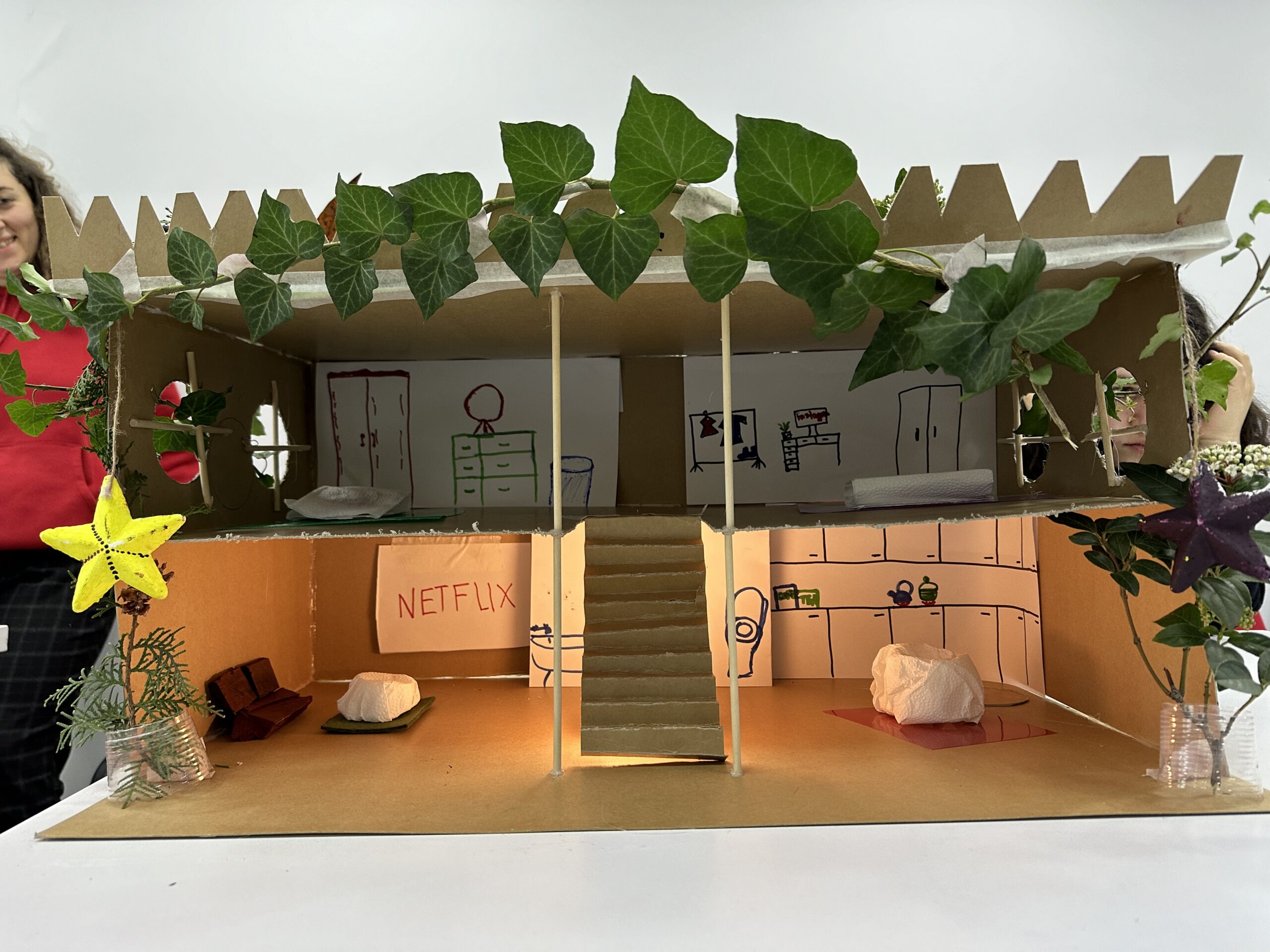
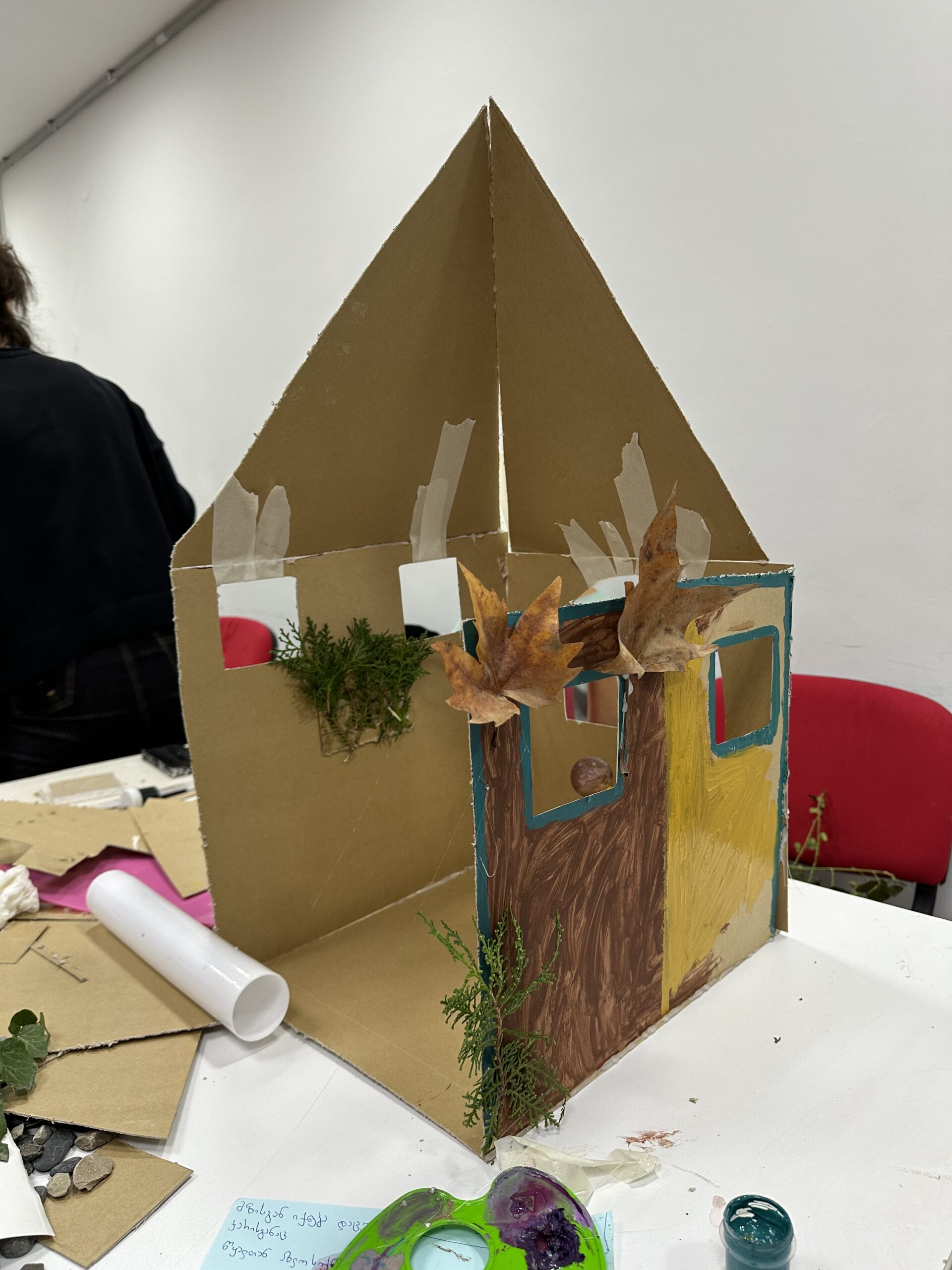
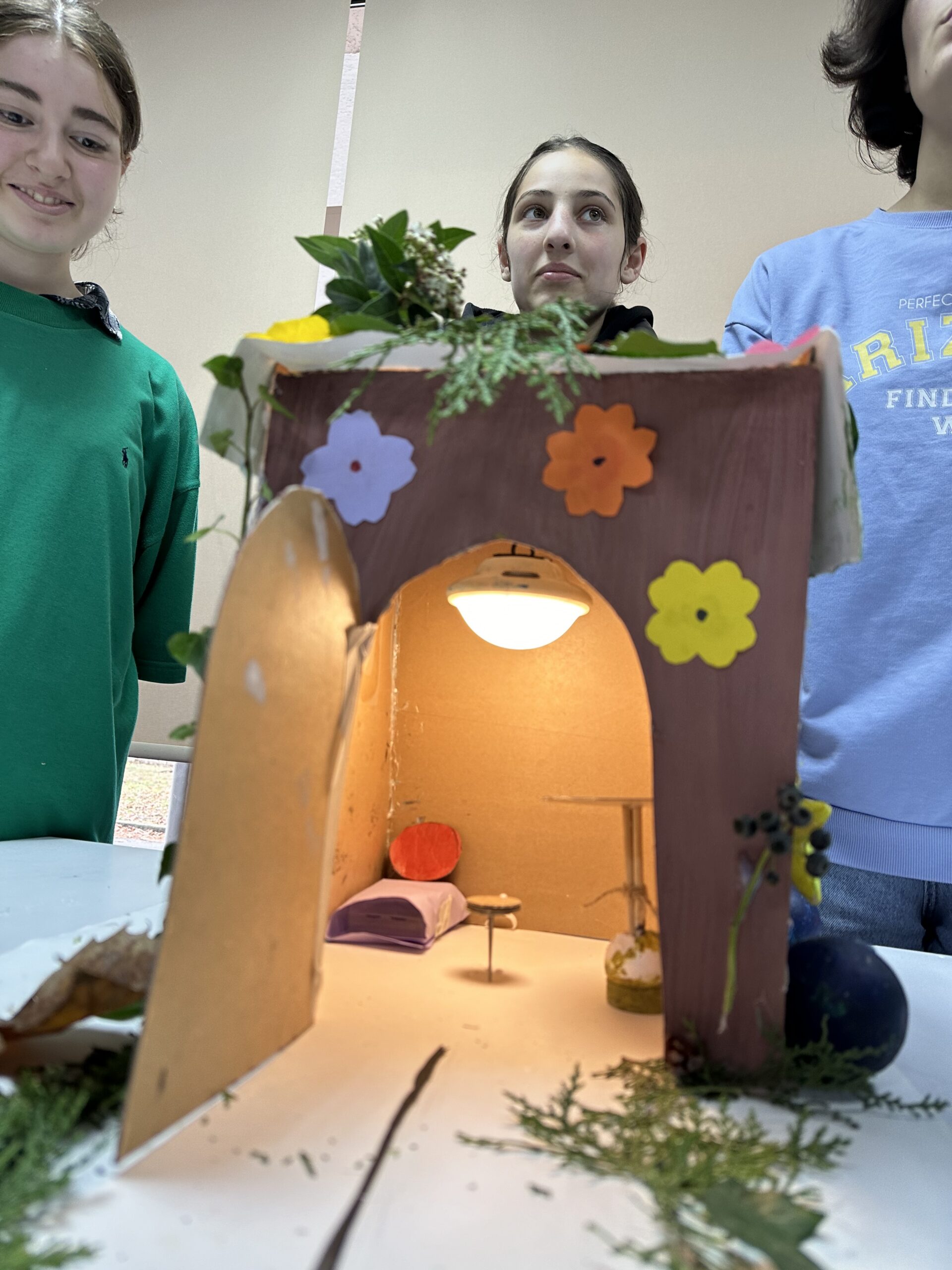
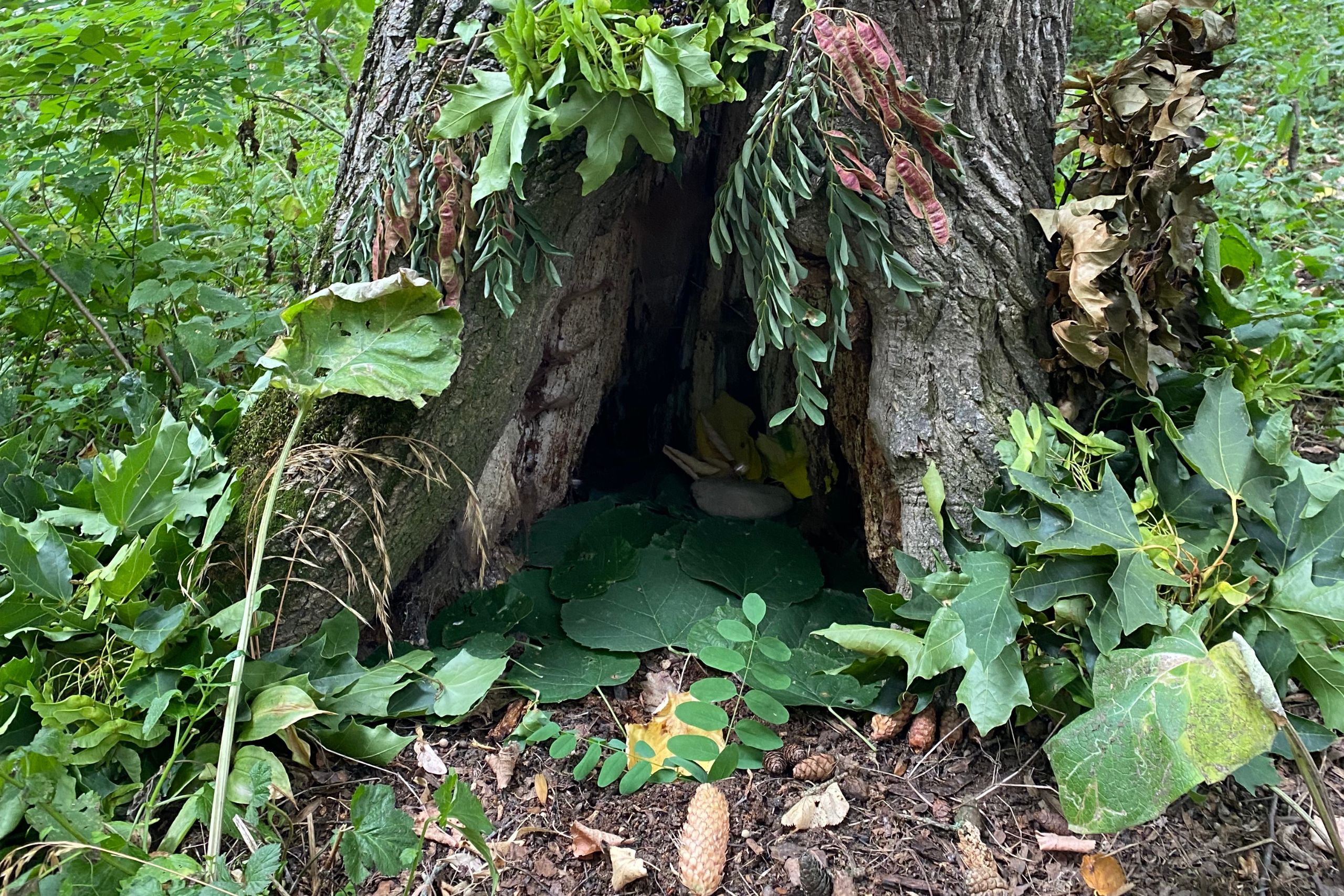
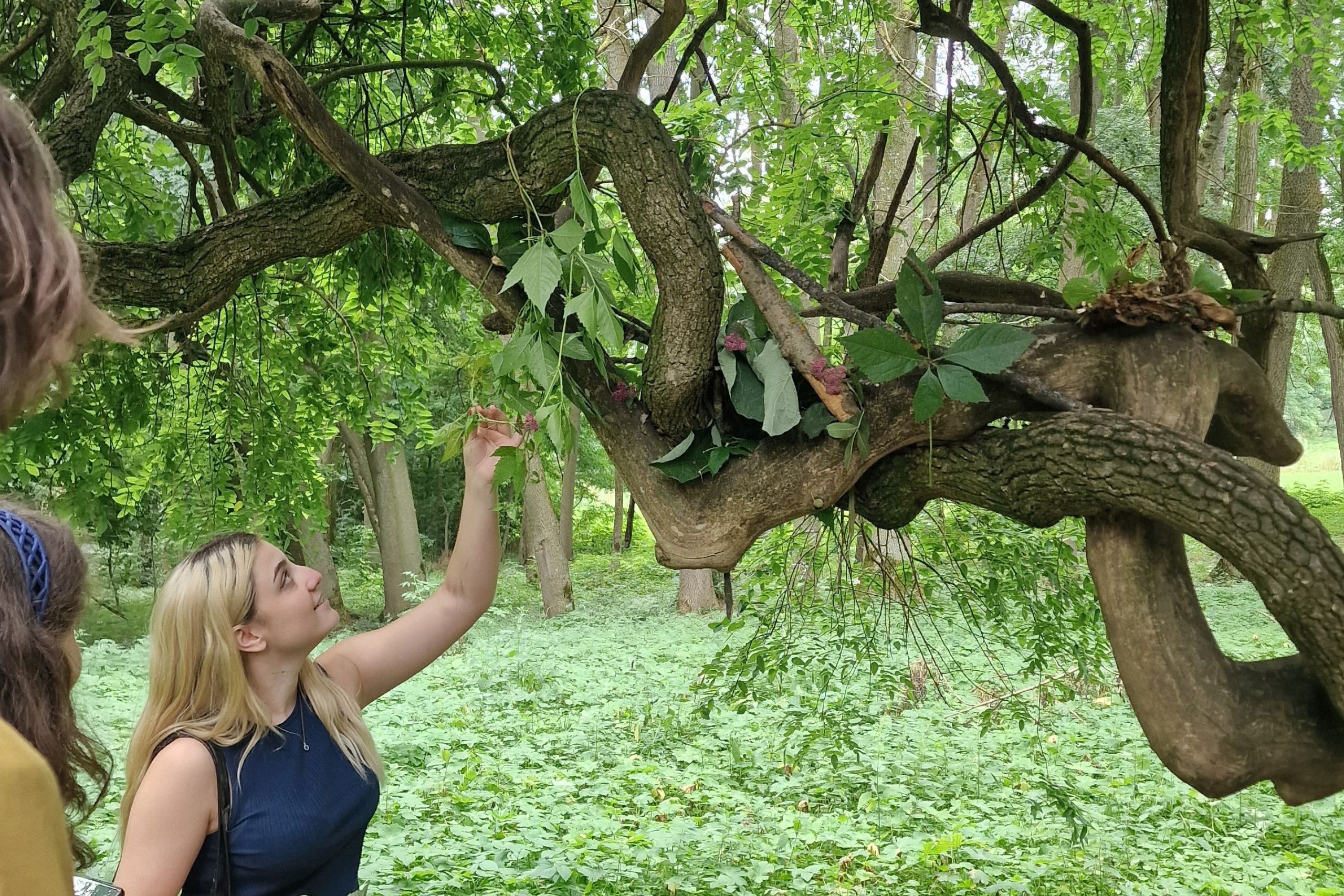
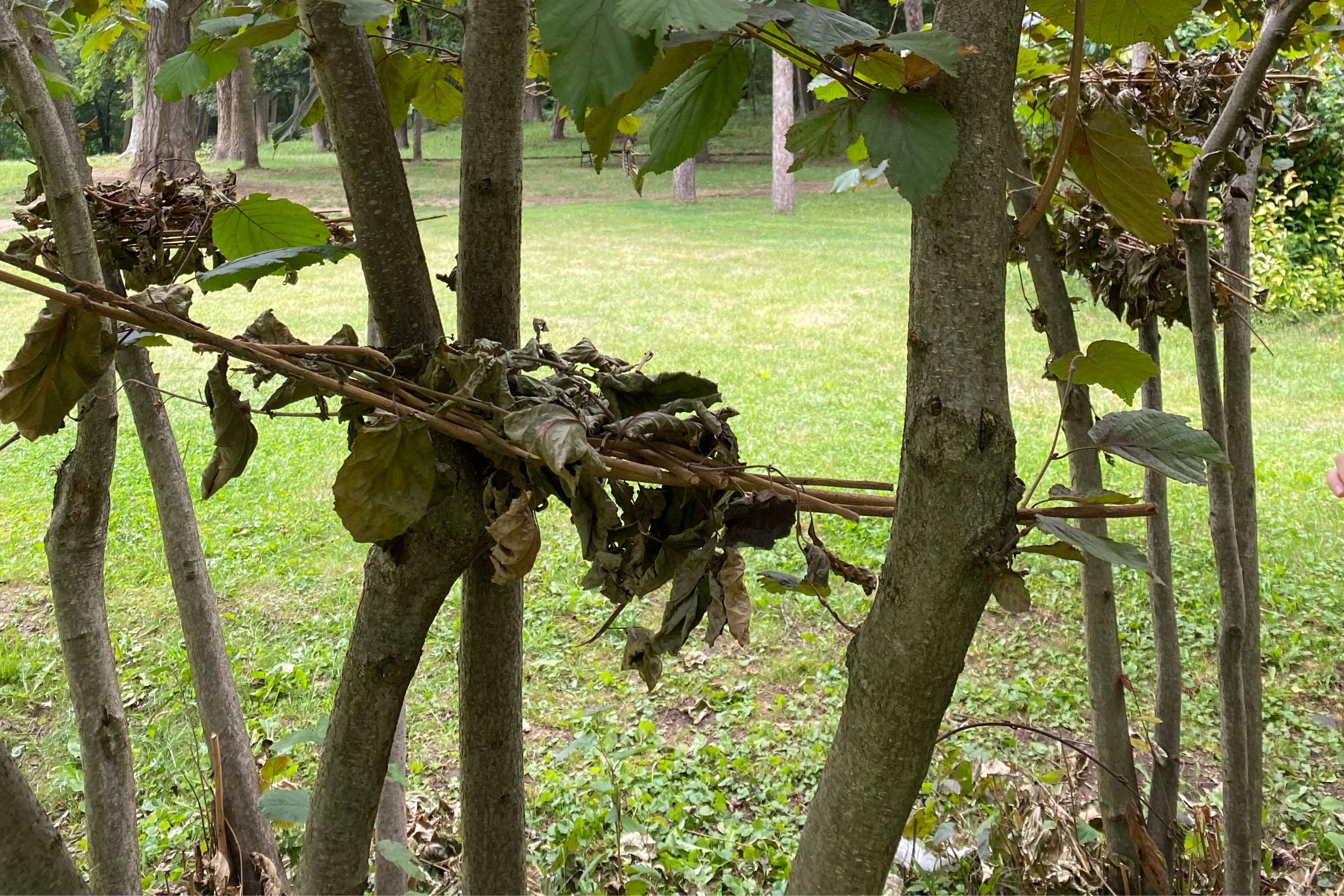
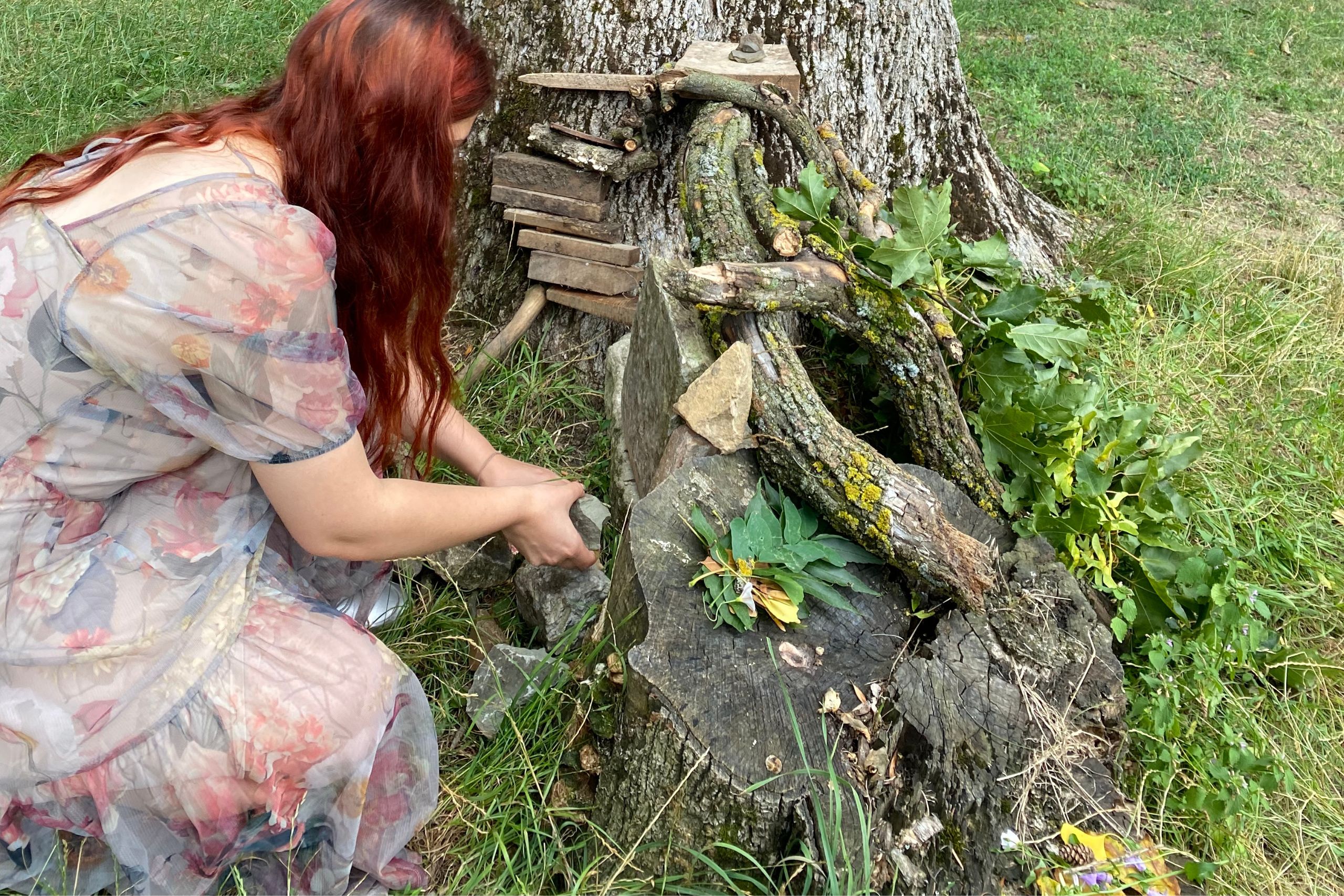
House for a fairy engages participants in design and making processes to build a house for an imaginary creature. The activity combines aspects of scientific thinking (scale; materials; shapes; location) with empathetic and imaginative skills, as participants take the perspective of smaller beings for whom they have a responsibility.
Detailed instructions
Introduction (5 minutes)
- Participants are divided in small groups of max 3 people. The brief is that of building a house for a fairy in a location of their own choice in the local area.
Exploring and mapping the local area (10-15 minutes)
- Groups are invited to take a walk in the local area, paying particular attention to smells, colours, texture; they can map the area with a sensory map, capturing their emotional responses to the place.
- After they complete the map, they can discuss together what areas of the map were most interesting to them; if they triggered any memories or feelings; and where they felt more at ease/safe and why.
Designing and Making (15-20 minutes)
- Taking the perspective of a small creature, groups identify a location they deem suitable for building a house for a fairy.
A set of criteria can be offered to guide the discussion:- what makes it a good place (e.g. sheltered from the rain/wind/sun; hidden from possible predators; close to water/food)
- what materials may be available (e.g. organic vs inorganic material; re-cycled materials that is freely available etc.)
- what design may be preferable and why?
- While the groups are engaged in the building process, the facilitator can walk around and probe their thinking/design process by asking some open questions:
- who lives here – is it an individual or a collective space?
- what did you use to build it?
- was it difficult/easy?
- is it waterproof?
- is it safe?
- what makes it a “good” place?
Gallery Walk (20 minutes)
- When all groups have completed their house, participants can go on a gallery walk, and each group describe to others how they came up with the design and what makes it a good house for their fairy.
Plenary discussion (ca 15 –20 minutes)
- Following the walk, groups are invited to share what they noticed to be different in the design choices made by others.
In this way the discussion can focus on different aspects of design:- was it pre-planned or emergent?
- the role of space and its affordances
- the decisions they made around resources:
where they are local and easy to find or did they use additional resources from elsewhere?
- Discussion may focus on the value of using local resources as well as the limits to their use.
- Observations about how the houses are arranged may be starting points to imagine what kind of society the fairies live in (peaceful, divided and inequitable) and how this society may evolve or change in the future (for example, if they decided to expand).
What new issues would arise?
Practical details
Duration
Minimum 60 minutes, as rough guidance; the activity requires moving outdoors and allow groups to walk around the area as well as time to build the houses. The plenary takes place in situ or indoors; ideally, participants will take a picture of their houses to share on a projector for discussion in class at a later date.
Space requirements
Ideally outdoors, in a space easily accessible and not exposed to traffic or immediate danger. Providing a range of materials are made available, it can also take place indoors.
Resources needed
If working outdoors, participants can use a range of ‘found’ materials in the local environment. Additional resources may be included upon participants’ own choice.
For whom
This activity is suitable for groups of both children and adults, and it applies to generic audiences (schools, youth groups, adult workshops, and community programs).
Recommended Feedback tools
If you have time, facilitate this activity framed by a Gallery Walk. We have also had good responses from STEAM Labs with brief feedback, such as using the flashlight or the fast networking method. In fast networking we designed questions to help us review what we learned during the workshop, rather than using it only to start the workshop.
Consider your participants
Sensitive Materials: if working outdoors, make sure a risk assessment of the area detects the presence of possible hazardous items;
Inclusivity and Access: the space needs to be physically accessible to individuals with mobility needs (e.g., no steep stairs, available seating). Provide a welcoming atmosphere so everyone feels safe to move around as much or as little as they wish and capable of doing.
Adaptability: Be flexible with time and instructions to accommodate different learning speeds, ensuring all participants can fully engage.
Keep the conversation going
Encourage Questions: Invite participants to ask each other questions about their houses, their durability, types of materials used, construction models and how they see the fairy communities to live together.
Invite Personal Stories: Prompt participants to share personal experiences related to extreme environments (like intense heat or cold), helping them make imaginative connections to their houses’ conditions.
Keep It Moving: A follow up activity may encourage participants to consider pros and cons of housing and buildings in the city.
Related Case Studies
-
House for the fairy – inside
STEAM Lab WECFCase Study in Brief Description The challenge was to build a house for an imaginary, minority community member using natural an materials and provided cardboard ... Read more
-
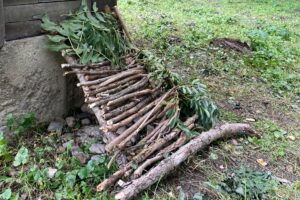
House for a fairy – Romania
STEAM Lab GEYCCase Study in Brief Description Between August 7th and August 9th 2023, 26 young people from Romania got a chance to pilot one of the ... Read more
Please note that this activity is provided for personal educational, informational and convenience purposes only, is general in nature and is not intended as a substitute for professional, legal, or medical advice.