
Activity in brief
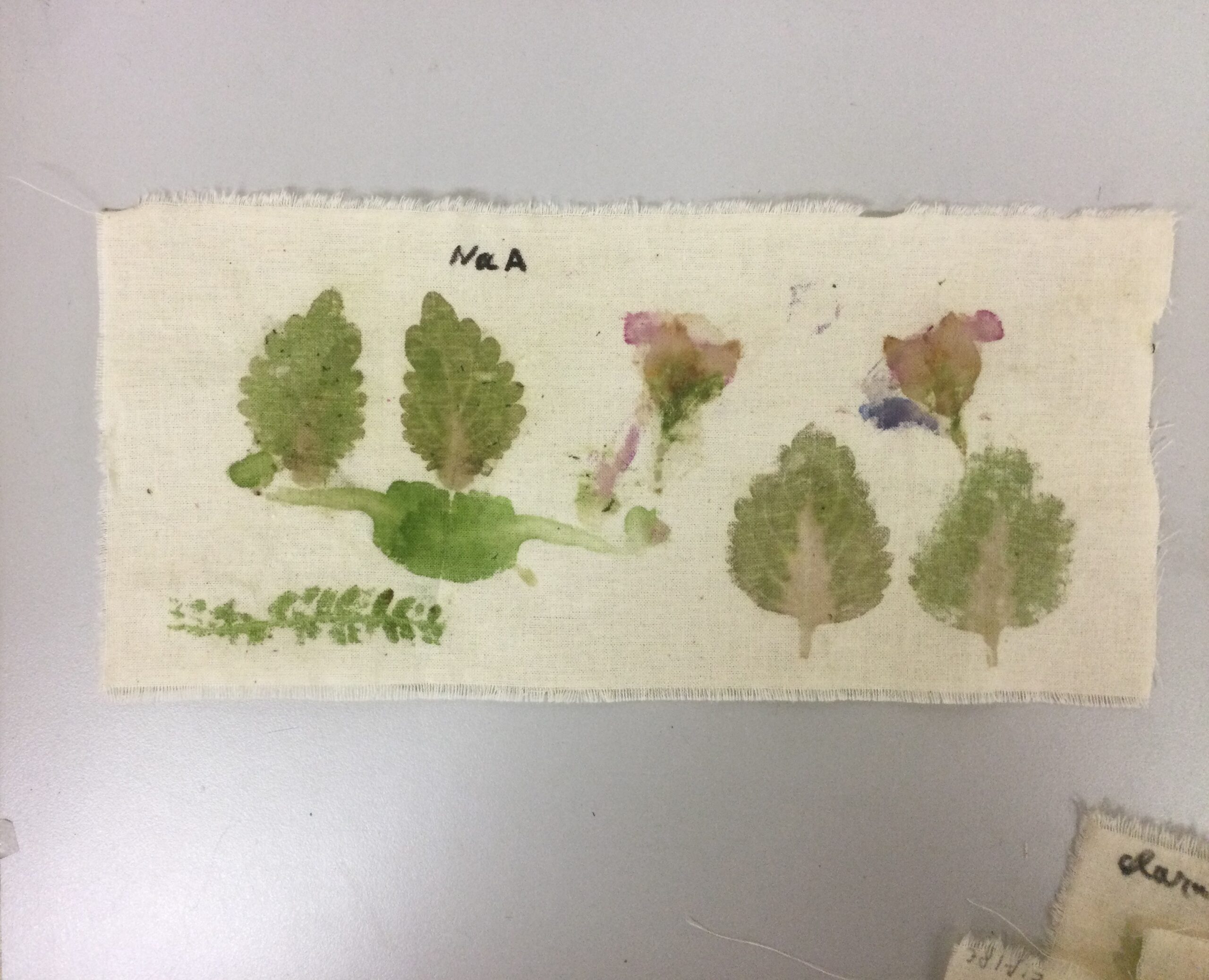
Botanical Prints uses plants, artistic techniques, and guided observation to explore botanical representation and the sensory qualities of nature. Participants receive fresh local plants and engage in activities such as creating color charts, observational botanical drawings, and direct printing using natural pigments from plants and flowers. This immersive, hands-on approach fosters curiosity, creativity, and a deeper understanding of plant representation.
Detailed instructions
Preparation (5 minutes)
- Gather various fresh local plants and flowers.
- Provide watercolor paints, brushes, paper, pencils, and fabric.
- Arrange these materials clearly on tables accessible to participants.
Introduction (5–10 minutes)
- Briefly introduce the activity’s purpose: exploring the sensory qualities and artistic potential of plants through observation and printing techniques.
- Encourage participants to observe closely, experiment creatively, and remain open to new discoveries.
Guided Observation & Color Chart (20–25 minutes)
- Invite participants to select plants and closely observe their shapes, textures, and colors.
- Guide them in creating a detailed color chart using watercolors, emphasizing precise color reproduction based on their observations.
Observational Drawing (40 minutes)
- Participants individually draw their chosen plant specimens, carefully capturing details.
- Encourage mixing watercolors to produce at least three shades representative of their plant.
- Provide gentle guidance without restricting participants’ creative expressions.
Displaying Results & Discussion (5 minutes)
- Ecourage participants to briefly share their drawings and discuss their experiences, highlighting insights and challenges encountered during the activity.
Printing Techniques Demonstration (15 minutes)
- Demonstrate two plant-printing techniques: pressing plants between fabric and hammering plants onto paper or fabric to transfer natural pigments.
- Emphasize safe handling, plant selection criteria (texture, humidity, thickness), and encourage creative exploration.
Experimentation with Printing (30–35 minutes)
- Have participants experiment with printing methods, focusing initially on technique exploration, then moving toward compositional elements like patterns, repetition, and symmetry.
- Encourage creative evaluation and experimentation.
Finishing & Enhancements (10–15 minutes)
- Encourage participants to refine prints using watercolor to enhance details or complete partial prints, carefully matching plant pigments.
Final Display & Reflection (5 minutes)
- Display participants’ botanical prints.
- Facilitate a final discussion, inviting reflection on their creative process, discoveries, and the integration of observational and printing techniques.
- For effective group management, divide the participants into two groups, rotating between quiet spoon-based printing activities at tables and hammer-based printing tasks on the floor.
Practical details
Duration
3 hours, structured into two sessions of approximately 90 minutes each. Allow extra time (around 45–60 minutes) if including an optional preliminary activity for participants to collectively gather plants from a nearby local area.
Space requirements
Most ideal in a comfortable outdoor space, such as a nearby park, garden, or allotment. Choose an area where participants can easily gather plant specimens and comfortably perform the louder parts of the activity (hammering plants). Arrange materials and workspace clearly to ensure ease of movement and collaboration.
For whom
This activity is suitable for small groups of both children and adults. It can be adapted to diverse audiences (schools, youth groups, adult workshops, or community programs interested in exploring plants through artistic and scientific observation).
For participants under 15 years old, it is recommended to limit the group size to 15 or fewer; larger groups should be divided into smaller working groups of fewer than 10 participants each.
Recommended Feedback tools
We suggest using a flashlight feedback at the beginning to map expectations. Note keywords on a board. After the session, people might feel happy, but also tired. So, we suggest ending with a quiet meditation in front of the board and asking everyone to share one final thought.
Resources needed
Part 1
- Fresh plants and flowers (such as fern, fuchsia flowers and leaves, Stachys byzantina or lamb’s ear leaves, coleus leaves, Salvia microphylla flowers and leaves, Nandina domestica, Chervil, Geranium leaves, plantago)
- Watercolours – gouaches
- Brushes (different shapes and sizes)
- Cups + Water
- 160g white paper (different formats)
- HB Pencil + eraser + sharpener
- Paper – tissues
- Video-projector, computer, screen
Part 2
- Fresh plants and flowers rich in tannins (such as fern, fuchsia flowers and leaves, coleus leaves, geranium leaves, pansy flowers and leaves)
- Watercolours – gouaches
- Vegetal-based inks
- Brushes (different shapes and sizes)
- Cups (for ink and water) + Water
- 120-160g white paper (different formats)
- Paper – tissues
- Various rubber and wooden mallets
- Spoons
- Different types of vegetable fabric (cotton, linen)
- Pencils – permanent markers
- Containers (for plant distribution)
- Cardboard (for noise reduction)
Consider your participants
Sensitive Materials: Some aspects of this activity, such as noise from hammering, can be challenging for participants or facilitators who are sensitive to sound. Provide noise-cancelling headphones or quieter alternatives (such as using spoons for pressing) to ensure comfort and inclusiveness for everyone.
Inclusivity and Access: Ensure the activity space, including outdoor areas, is physically accessible (no steep stairs, comfortable seating options). Foster a welcoming atmosphere where all participants feel safe and encouraged to collaborate and express themselves freely.
Adaptability: Remain flexible regarding activity timing and instructions, allowing participants to engage comfortably at their own pace, accommodating diverse sensory needs and learning speeds.
Keep the conversation going
Encourage Questions: Pause periodically to ensure participants understand instructions, techniques, and goals clearly. Invite questions regularly to maintain clarity and engagement throughout the activity.
Invite Personal Stories: Encourage participants to share personal experiences or memories connected to the plants, colors, or techniques used. This can foster deeper engagement and a personal connection to the activity, plants, and the wider environmental context.
Keep It Moving: Maintain participant interest and energy levels by occasionally shifting tasks, incorporating brief breaks, or introducing immersive elements such as audiovisual projections or soundscapes based on natural sounds (if technological conditions permit).
Please note that this activity is provided for personal educational, informational and convenience purposes only, is general in nature and is not intended as a substitute for professional, legal, or medical advice.