

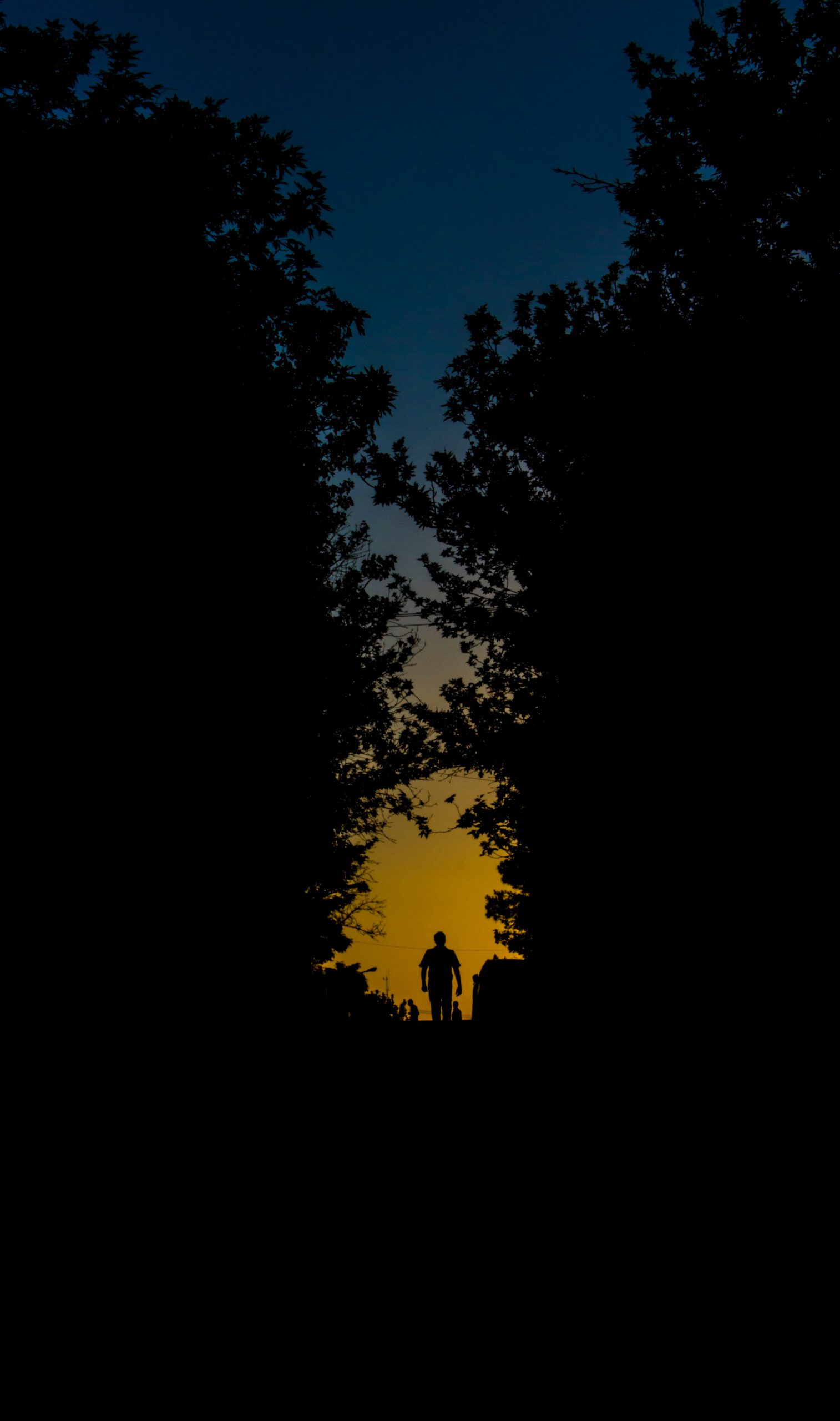
Activity in brief
The Light & Shadow activity can be tested in a range of different spaces to encourage participants to explore and reflect on the varying environmental conditions. If successful and embraced by the participants, the approach of “creating space with light and shadow” can become the main focus of the investigation.
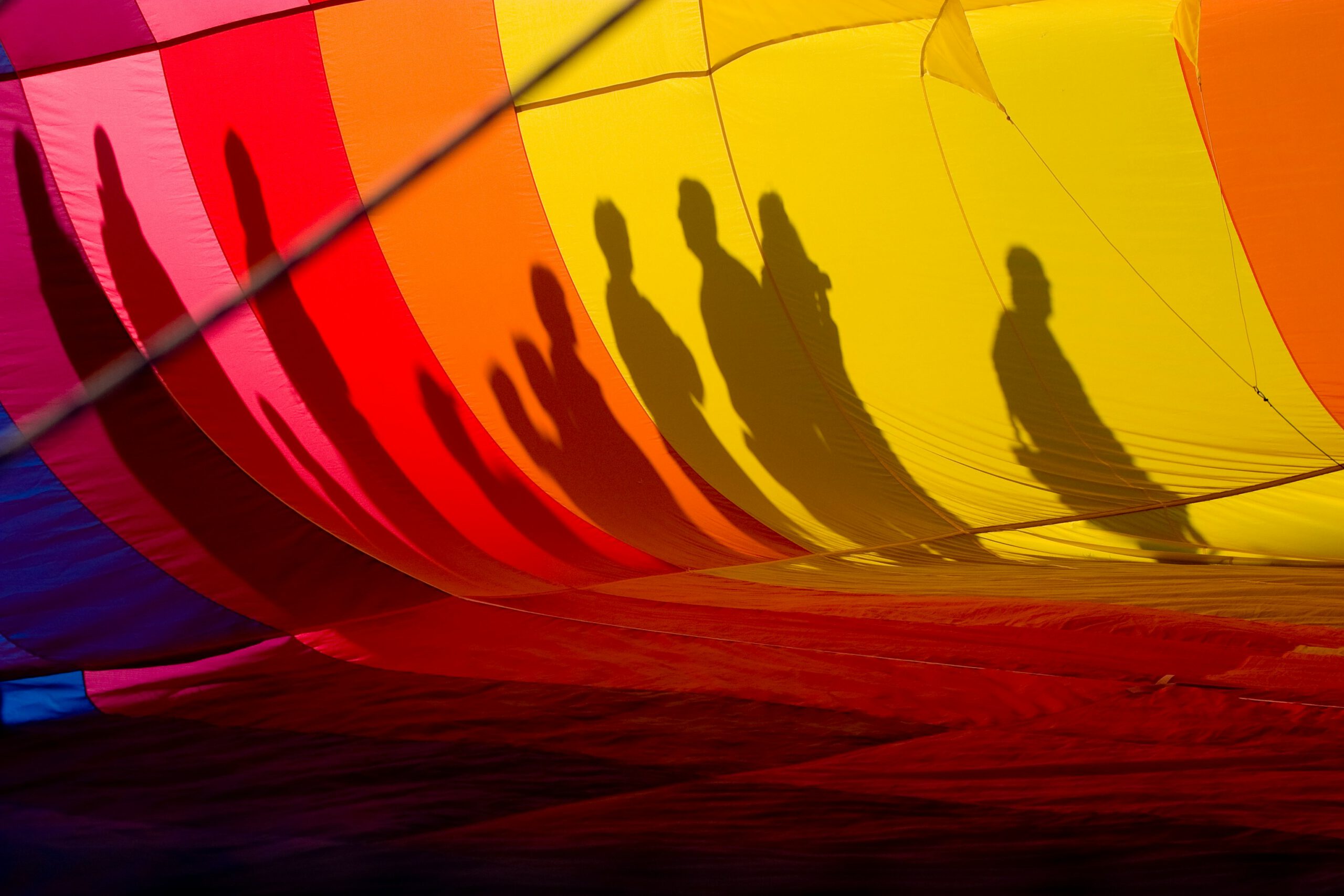
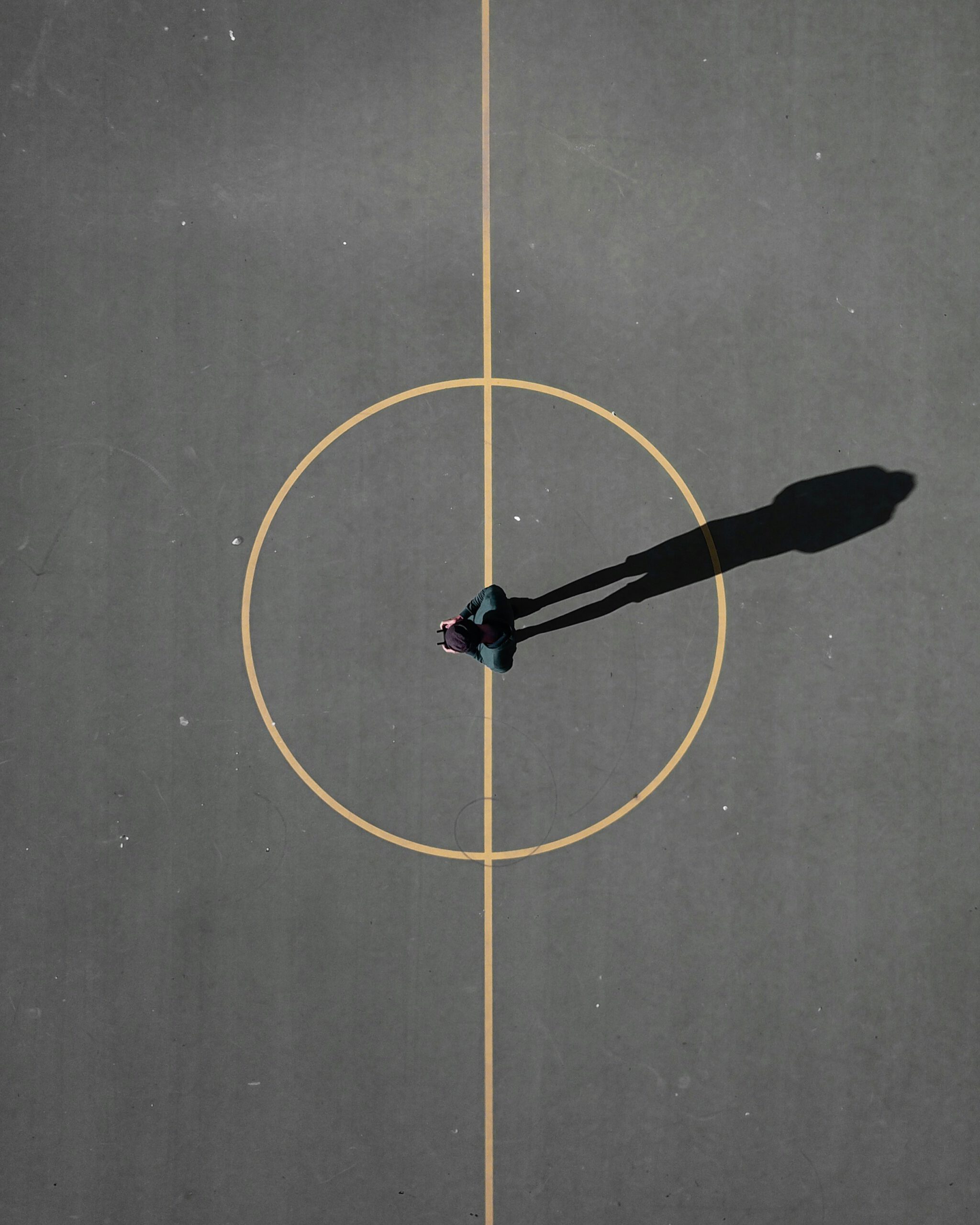
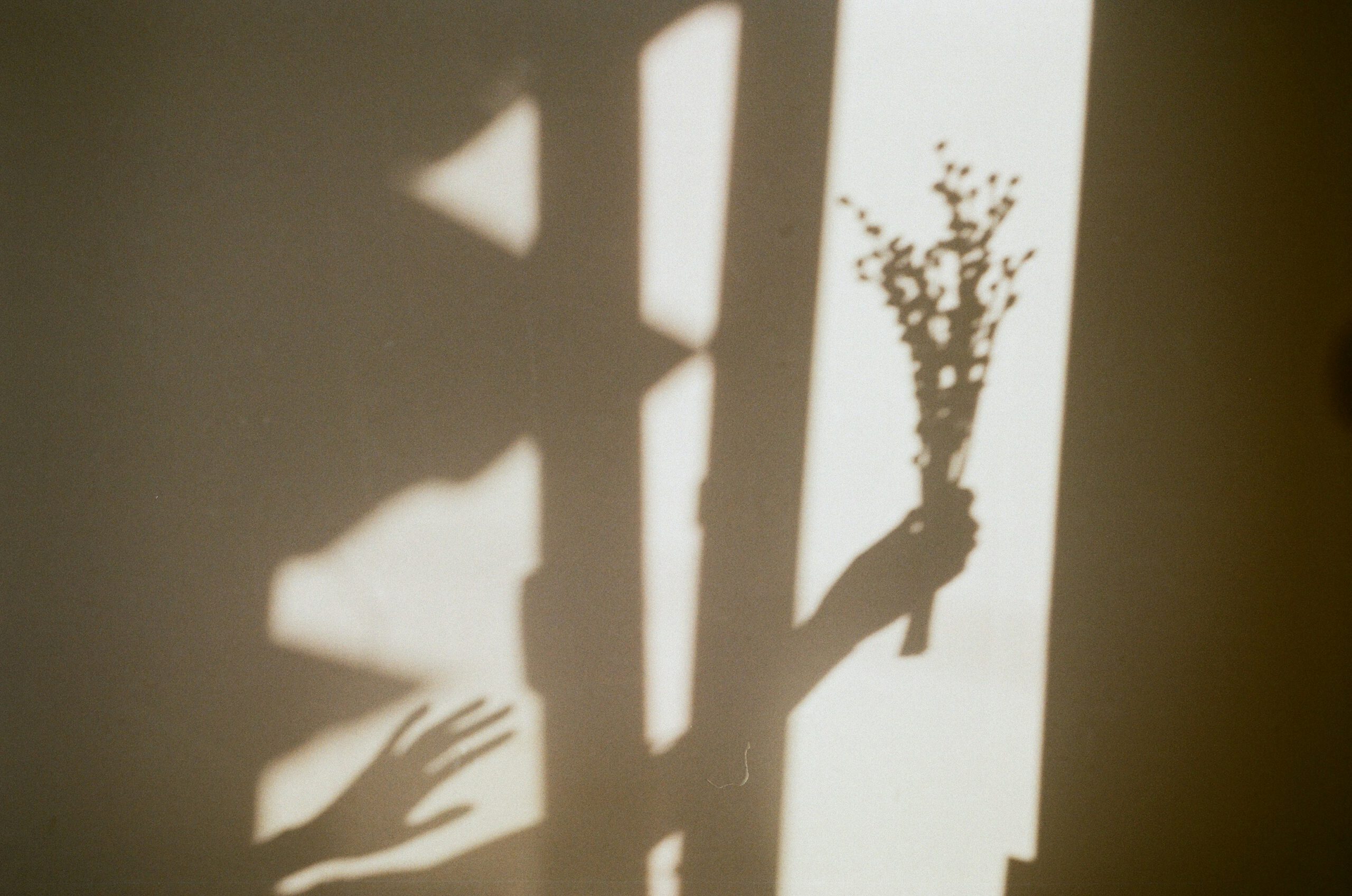
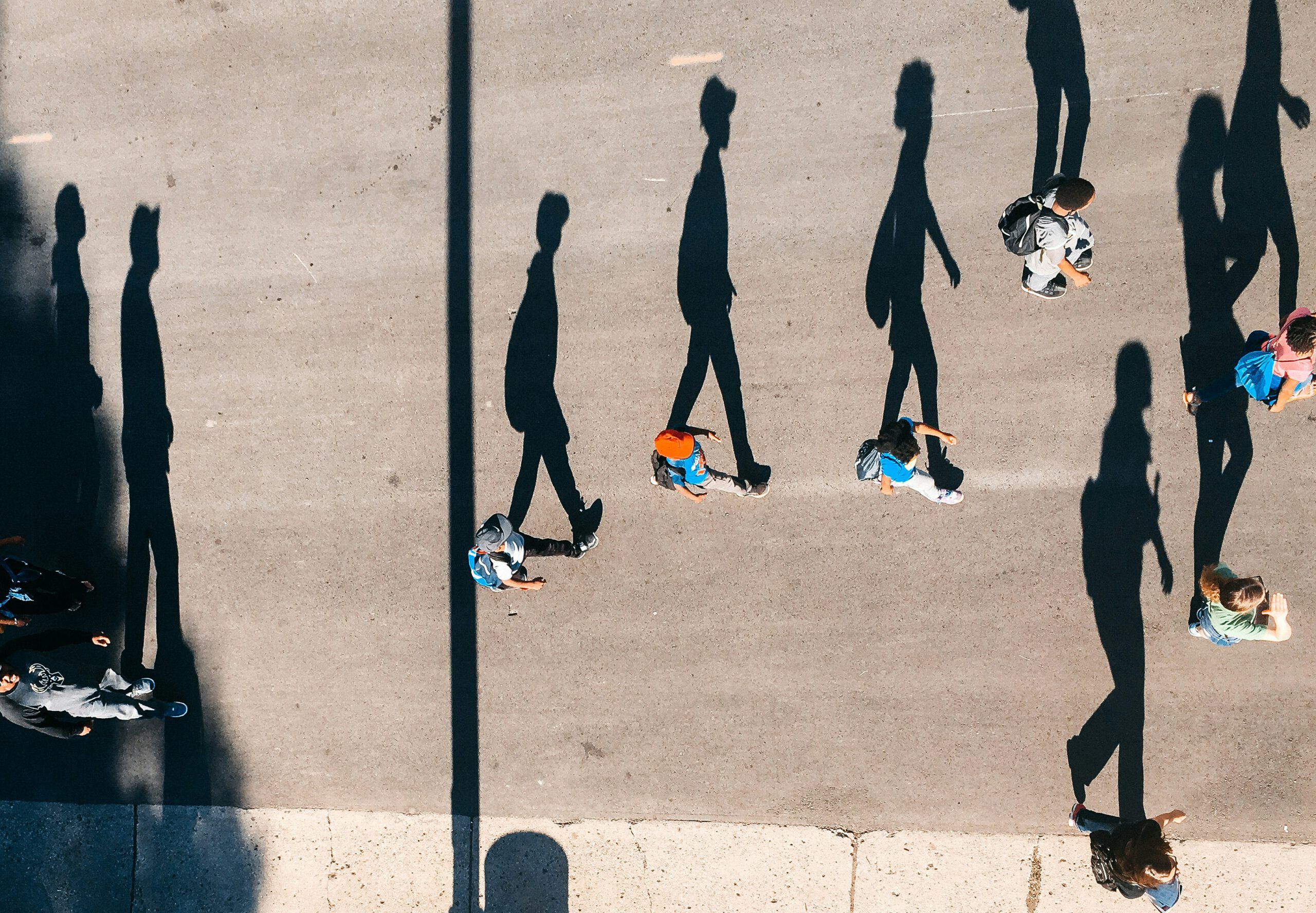
Participants explore light and shadow using translucent and reflective materials with a light source (natural, spotlights, or torches). They document their findings through photos, drawings, or other media.
The motto, “journey over destination,” emphasizes playful experimentation without fixed instructions. Participants discover visual phenomena through observation.
Facilitators guide discussions to review findings and inspire further exploration. The activity can be a short session (1-2 hours) or evolve into a series. Outcomes may include insights into camera obscura, light physics, colour theory, or practical applications like museum or theatre lighting. Facilitators may suggest themes while maintaining original ideas.
Detailed instructions
Ensure that participants are not too frustrated with environmental conditions such as spaces that are too complex or have too much ambient light. Use individual light sources and stimulating (coloured, reflecting) materials if you want to be on the safe side.
Before starting the activity, it is important for facilitators to consider four key points:
Setting the scene: Where will the activity occur, and how can environmental factors such as light be controlled?
Consider the location of the activity and how environmental factors, such as lighting, can be controlled. The ideal space is a mid-sized, flexible area with minimal furniture and windows that can be darkened if needed.
If facilitators see the space as a challenge or source of inspiration in itself, they may also explore unconventional settings, such as large halls or a stage. As a backup, if participants struggle with the selected setting, having a few props—like boxes or blankets—can help create controlled micro-environments.
What kind of light sources will be used?
Determine the types of light sources to be used. Options include a central light source, such as one or more strong point lights, natural sunlight streaming through windows, or individual sources like powerful handheld torch lights. While torch lights offer flexibility, a central light source can encourage collaboration among participants and foster a shared experience.
What kind of material will be provided?
Consider the materials available for use during the activity. These can range from simple props like bits of card or fabric to more complex materials, such as translucent, coloured, and refracting textiles or sheets. As a rule of thumb, the more “exciting” the material provided, the easier it is to activate and engage the participants through strong sensory stimuli. A more minimalistic approach though, can lead to more intense explorative efforts and more subtle and refined results.
How will the experiments be recorded?
Decide how the experiences will be documented. Participants can use either digital or analogue media. Since most people own smartphones, capturing photos or videos is the most practical and inclusive method, offering quick and engaging results. The camera often enhances the effects of light and shadow, emphasizing contrasts. Conversely, analogue methods can engage participants in a more profound, multisensory way, leading to deeper reflection. However, experience shows that it can be challenging to encourage the use of analogue media when digital tools are readily available and produce visually appealing results in seconds.
Practical details
Duration
The activity can be a single event across 2 hours or be the starting point of multiple sessions that allow us to explore the observed phenomena deeper.
For whom
At its core, the activity is a creative exploration and works with all age groups. The older the participants, the more complex the reflections, but overall, the activity is quite age blind.
Recommended Feedback tools
We found that body mapping and the SENSE. manifesto worked really well for this activity.
Space requirements
The activity should take place indoors.
Good environmental controls of external light are beneficial. Using larger, more complex spatial settings can pose a welcome challenge.
List of Material needed
Light source(s) and a range of textures, translucent and reflective materials in as many shapes and colours as available.
Consider your participants
Inclusivity and Access: Ensure that participants are not too frustrated with environmental conditions such as spaces that are too complex or have too much ambient light. Use individual light sources and stimulating (coloured, reflecting) materials if you want to be on the safe side.
Keep the conversation going
Encourage Questions: Ask participants how they made their choices during the activity.
Invite Personal Stories: Participants can share their personal experiences of light and shadow in specific spaces. For example, they could talk about visits to churches and how they experienced the light there. Alternatively, they can share stories from holidays where they experienced phenomena involving light and shadow.
Keep It Moving: At the end of the session, photos of participants manipulating light can be compared to typical images of scientists in labs. This will help you to highlight the parallels of investigating and controlling – typical scientific actions – to show that creative exploration and scientific exploration are very similar processes.
STEAM Connection
Outcome
The activity strengthens both group coherence and creative self esteem.
When to use
This forces participants to change how they think about something by helping them see it through someone else’s eyes. This also helps reassess priorities.
Going Further
Constantly evolving
Originally, the activity was used as an introduction into basic optics within a seminar for undergraduate teacher students.
Examples and Variations
Students were tasked in hunting there own shadows. The pictures were collected via email and a presentation was prepared.
The seminar went on to investigate the (actually complex)relationship between light sources, objects, and their shadows… In this context, the activity should raise interest and involvement in the academic topic.
Related Case Studies
-
Shadows lab
STEAM Lab CREDACase Study in Brief Description We co-designed this sequence with preschool and early primary school teachers, focusing on how light interacts with objects. It encourages ... Read more
-
Shadow Hunting
STEAM Lab HVLCase Study in Brief Description Shadows are everywhere, but we often overlook them. They take on many shapes and appearances depending on the object that ... Read more
Please note that this activity is provided for personal educational, informational and convenience purposes only, is general in nature and is not intended as a substitute for professional, legal, or medical advice.