
Activity in brief
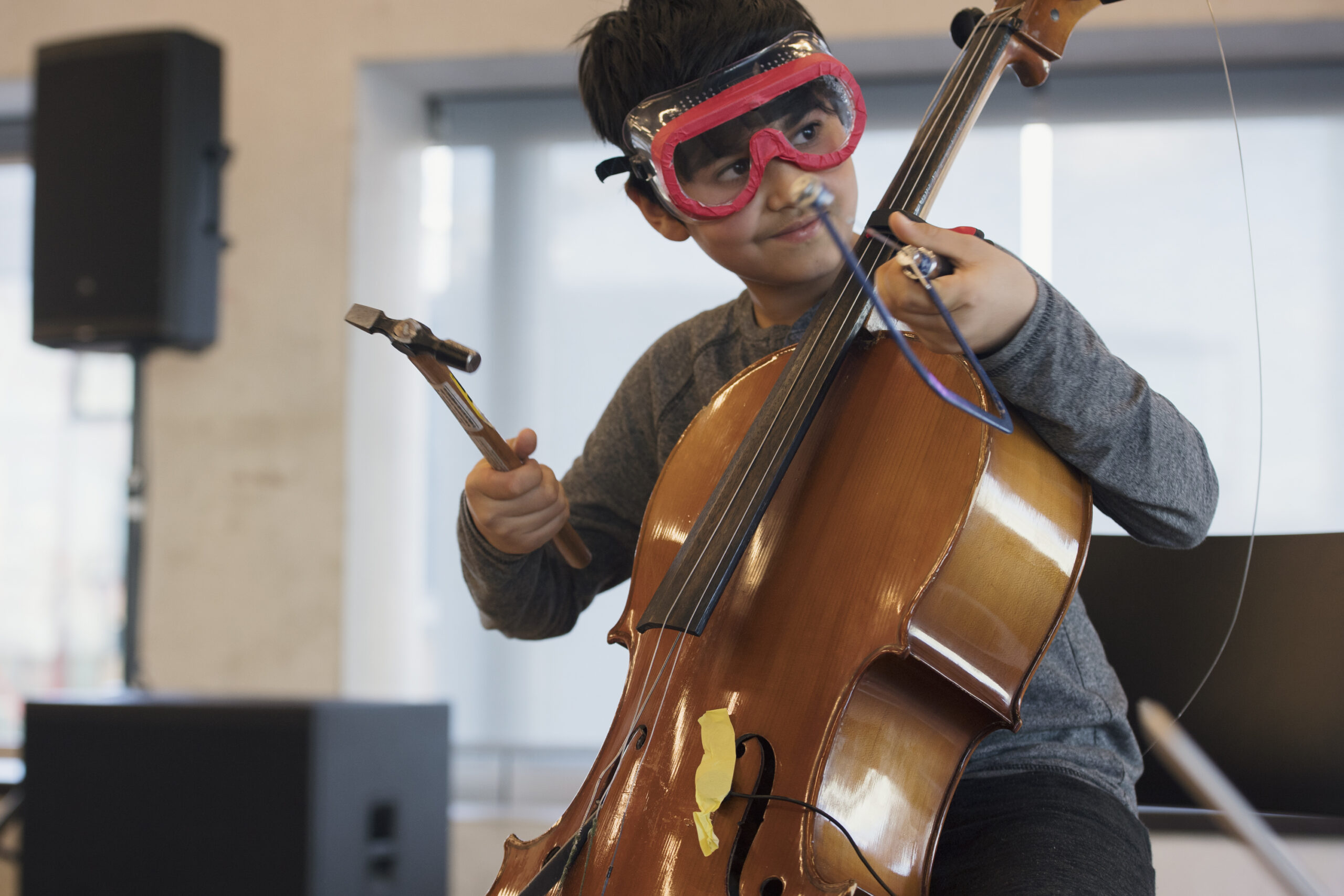
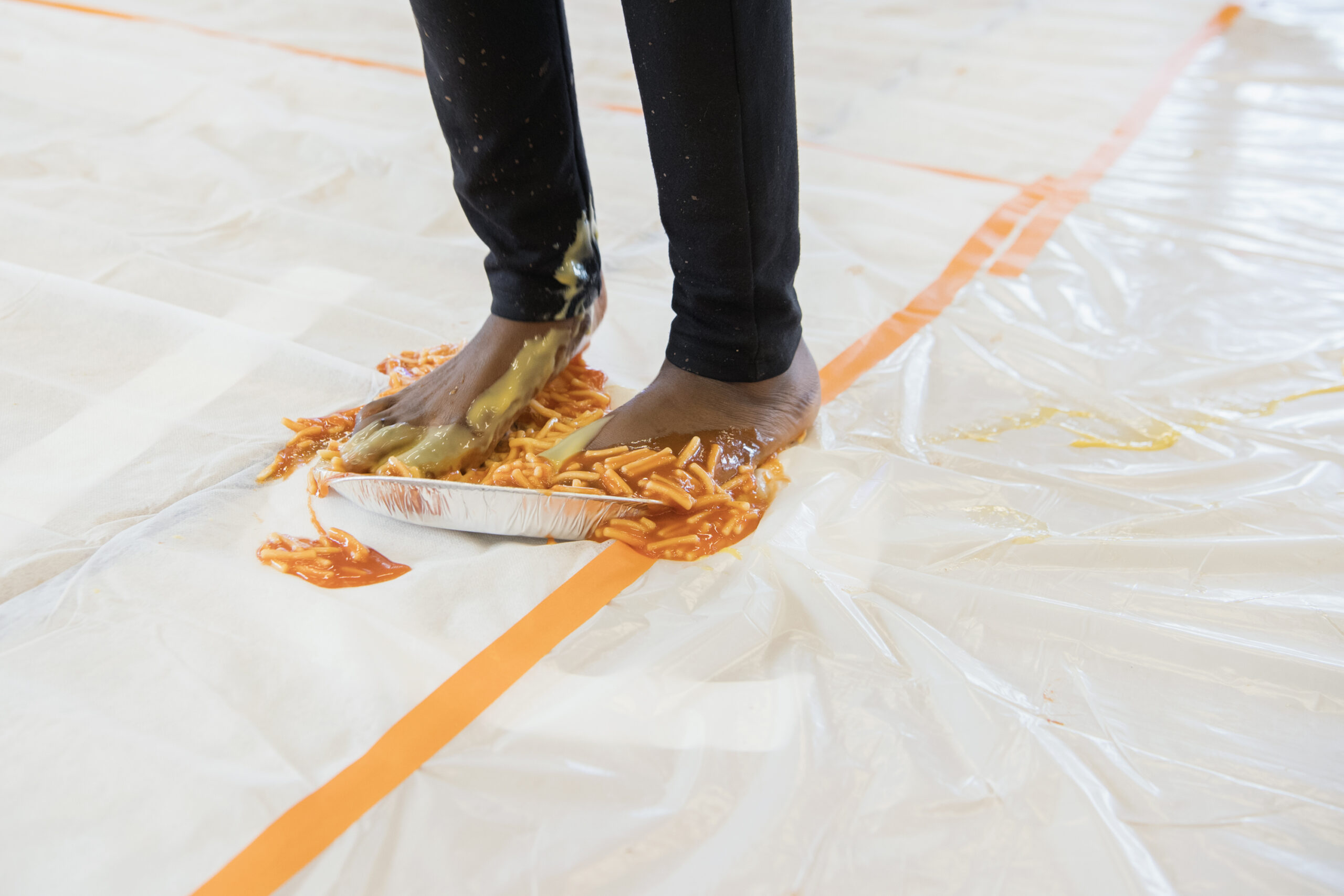
This performance art inspired activity uses the thrill of destruction to dive into a variety of potential topics including physics, sustainability and sociopolitical questions. It starts with personal views and wishes of the participants and connects them to scientific inquiry. What kind of processes are connected to destruction? Breaking, burning, exploding – how can they be described from the perspective of physics or material science? When is a process of transformation called destruction, when is it called something else? Every time something is produced something else gets destroyed in the process. Who decides, if it’s worth to destroy something for something else, or not?
Detailed instructions
Introduction (20 minutes)
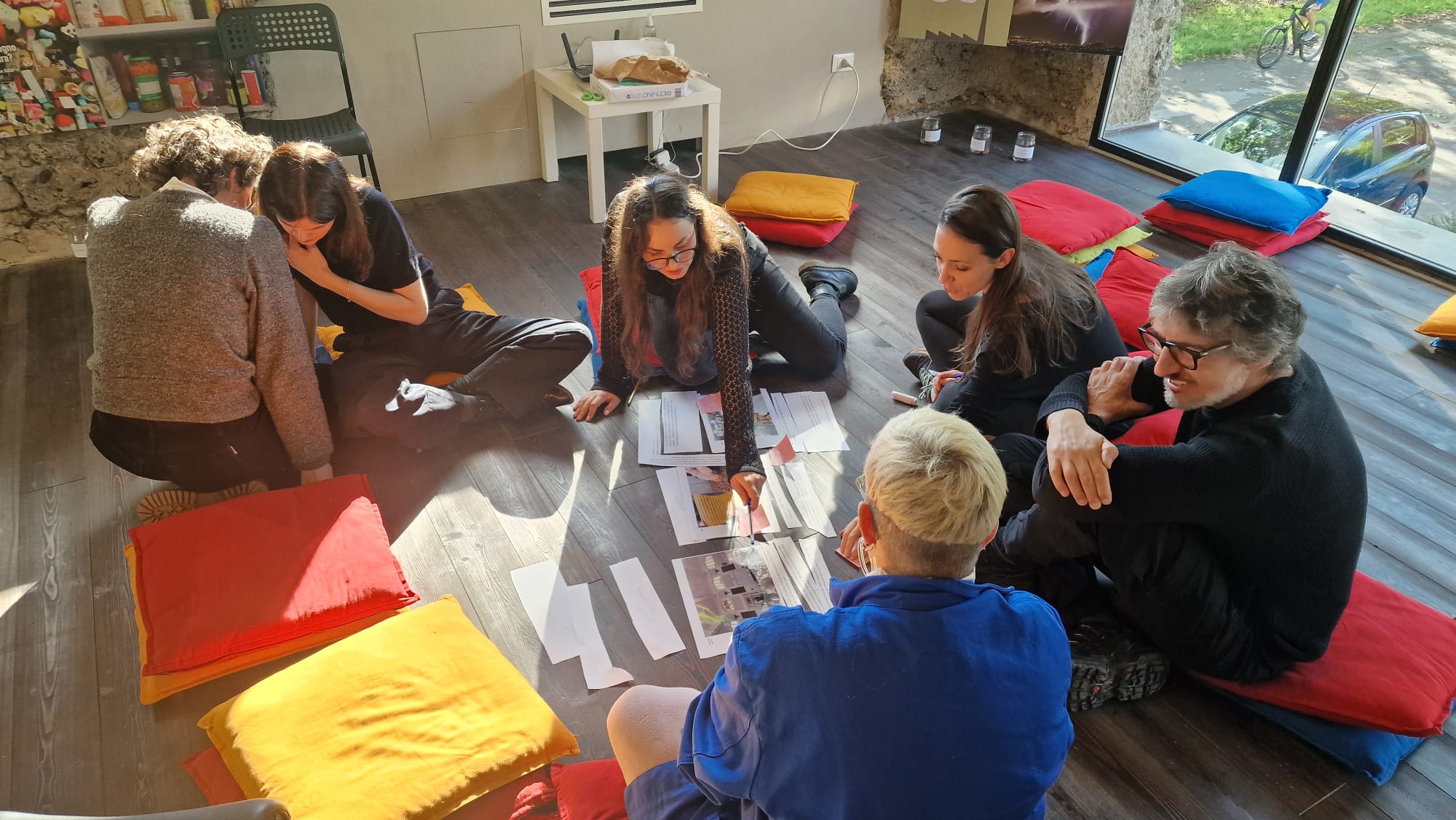
Ask the participants: „If there would be no repercussions and no damages to living beings, what would you like to destroy?“ Participants will often name something non-material: concepts, feelings, orders.
Preparation (20 minutes)
Provide a range of objects to be destroyed, like ceramics, electrical devices, furniture, toys, etc. Invite participants to choose the object, that has some connection to the non-material thing they would like to destroy. (If they chose a material thing in the first place, maybe they can find something similar?). How would they like to destroy the object and what is needed for that?
Gear up, go outside and find a safe spot with no traffic, at all. Mark a designated destruction zone. Put rules in place: Destruction happens only in the zone. Everybody needs to wear safety goggles and gloves in and around the zone. You will need tools like hammers and tongs.
One-minute-destructions (60 min, depending on number of participants)
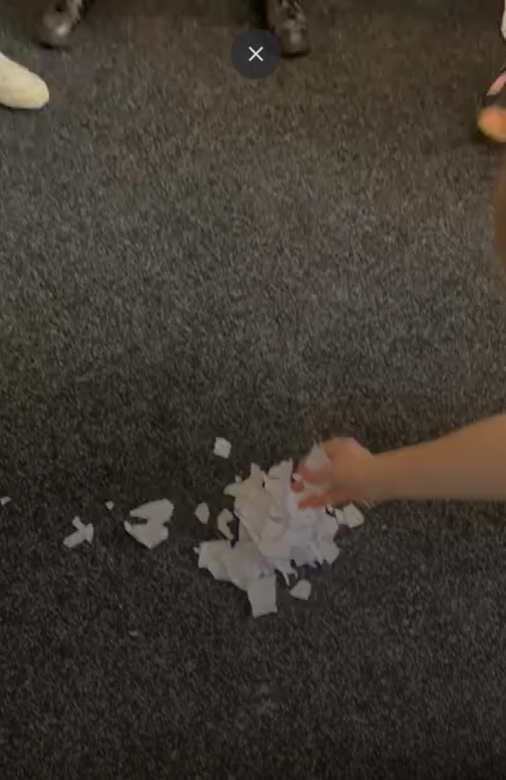
Invite participants to do “one-minute-destructions”: They each have one minute to step into the designated zone, name what they would like to destroy (answer to the first question) and then destroy the object. Stop the action with a stop watch. Think about documentation beforehand: How do participants feel about being filmed or photographed during the one-minute-destruction? After the minute ended, take a look at the destruction zone and let the participant choose one of the pieces left from the object to hold on to.
Collect and recycle the remaining trash together.
Scientific Inquiry (30 min)
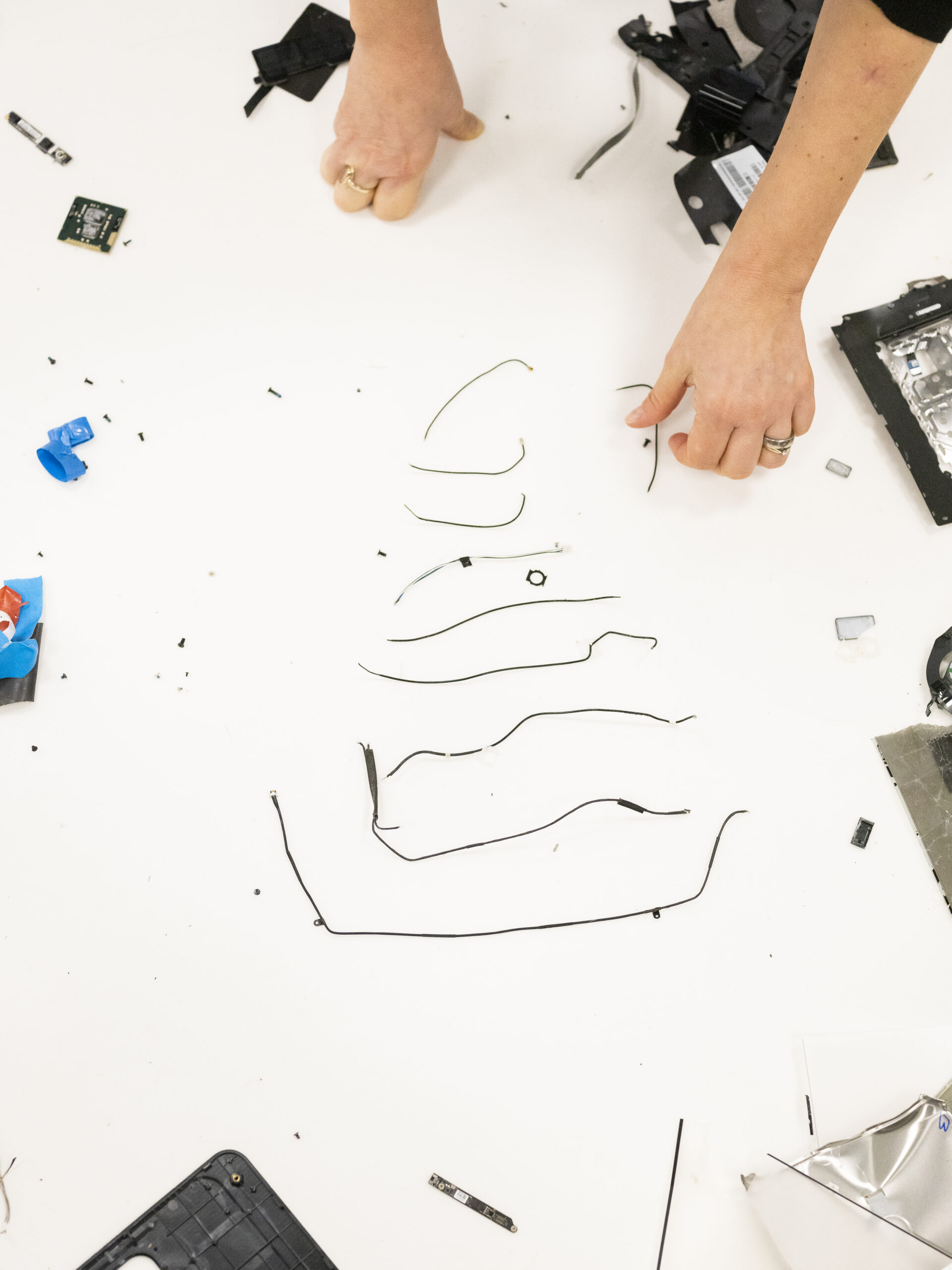
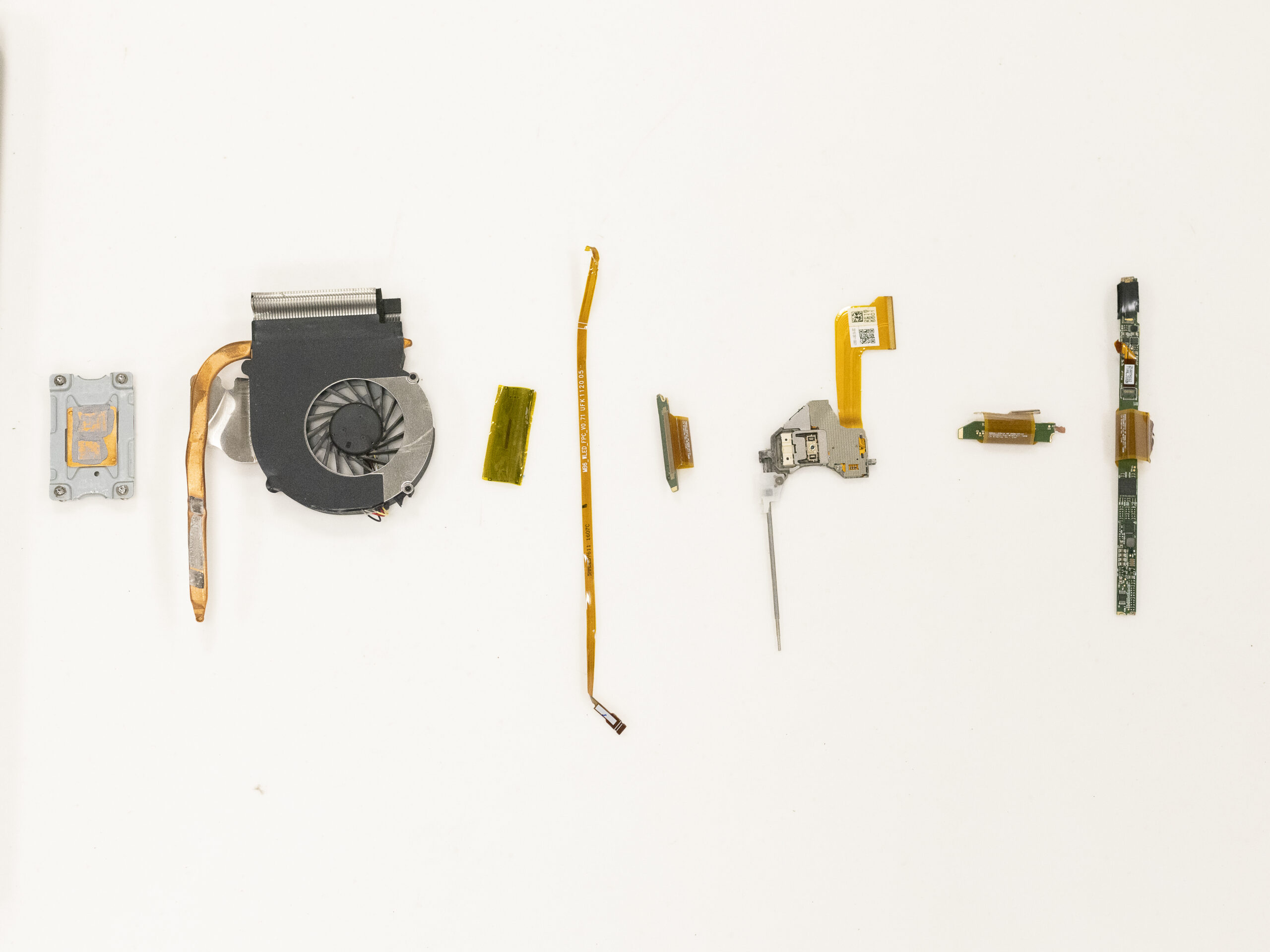
Look at the pieces everybody has gathered from the destruction performance in detail. Let participants investigate: Why did they break the way they did? What are the underlying physical processes? It might make sense to look at them through looking glasses or put them under a microscope.
Artistic Inquiry & Documentation (60 min)
What is beautiful about these pieces of material? Find a way to exhibit the art and science of destruction: The wishes, the one-minute-destruction-actions, the pieces and what you found out about them.
What other kinds of destruction come to mind, which are different from smashing things? Let participants research online: What about, for example, very slow kinds of destruction and the processes connected to them?
Practical details
Duration
180 minutes, rough guidance, ideally split into two sessions, allow for enough time for interaction and reflection.
For Whom
This activity is suitable for groups of both children or adults from the age of 8, and it applies to generic audiences (schools, youth groups, adult workshops)
Recommended Feedback tools
Run a flashlight feedback or use the SENSE. manifesto. For the manifesto, choose one or two categories. Others have made a card game out of it, to add a playful momentum. Flashlight feedback keeps the momentum while the categories of the SENSE. manifesto take more time and encourages deeper reflection and the exchange of experiences within the group.
Space requirements
Indoor & outdoor spaces, safe zone for one-minute-destructions needed
Materials needed
- safety goggles
- safety gloves
- a tool box including hammer, scissor and tong
- looking glasses and/or microscope
- a collection of stuff to be destroyed: toys, electrical devices, ceramics, clothes etc.
- participants can be asked to bring one thing to destroy each themselves
Consider your participants
Sensitive Materials: Safety is the first priority in this activity, especially during the one-minute-destructions. Talk to the group beforehand and put some rules in place: One destruction at a time! Goggles and gloves at all times! Destruction happens only in the designated zone! Discuss the destruction plan with each participant and think together, if any special safety measures should be taken. Mark the start and the end of each action with a signal. Ask participants to support safety measures by taking care of each other.
Inclusivity and Access: This activity was specifically designed to include young people who tend to show destructive behavior. Usually, destructive tendencies would lead to their exclusion from the learning context. But while destruction is often a problem in social contexts and everyday environments (for example in vandalism), it is an interesting topic in art, science and philosophy.
Adaptability: Depending on how well they have been prepared, the one-minute-destructions can be framed as an exerimental performance interesting to watch, even for a bigger audience.
Keep the Conversation going
Encourage Questions: For many young people, the world is at the brink of destruction, while they themselves are not allowed to write a word on a wall. To question this order of things will create learning for everybody.
Invite Personal Stories: As destruction is mostly taboo in learning contexts this activity will spark interest even with learners who usually don’t like to participate. It has the potential to relate to personal feelings which otherwise tend to interfere with learning.
Keep It Moving: This activity can be a starting point for a longer sequence about trash and recycling. It can be a starting point to discuss sustainability and growth and the need for destruction in consumer societies. It can also be contextualized in an art context that explores practices of performance art from the 1960ies up until today.
Related Case Studies
-
A Small Survey on Destruction
STEAM Lab GEYCCase Study in Brief Description Participants reflect on personal and societal elements they would choose to “destroy” if there were no consequences. Through writing, discussion, ... Read more
-
Destruction Exhibition
STEAM Lab WECFCase Study in Brief Description The activity took place during ‘Europe Days’, where WECF Georgia represented the SENSE project in a public event by the ... Read more
Please note that this activity is provided for personal educational, informational and convenience purposes only, is general in nature and is not intended as a substitute for professional, legal, or medical advice.