
Why?
In many societies, learning is deeply integrated into the collective social practices of the community. Members of all ages actively exchange and generate knowledge together.
However, the increasing institutionalisation of education, particularly in Western cultures, has created segregated educational spaces such as schools, universities, colleges, and nurseries. In these environments, knowledge generation and inquiry often occur in isolation from everyday life, and their outputs are not used productively to benefit society.
While there are undoubtedly benefits to this “specialisation”, it has also brought adverse effects: a disjoint between real life, socially exclusive structures in education and – most importantly – we don’t use one of the most significant educational resources – the community as a whole, us and everyone else.
By shifting the educational environment back into the community – at least temporarily, this experiment aims to address the current limitations of education and promote a more inclusive and open form of science.
How
Real change can only happen through the way we connect with one another and engage with our surroundings
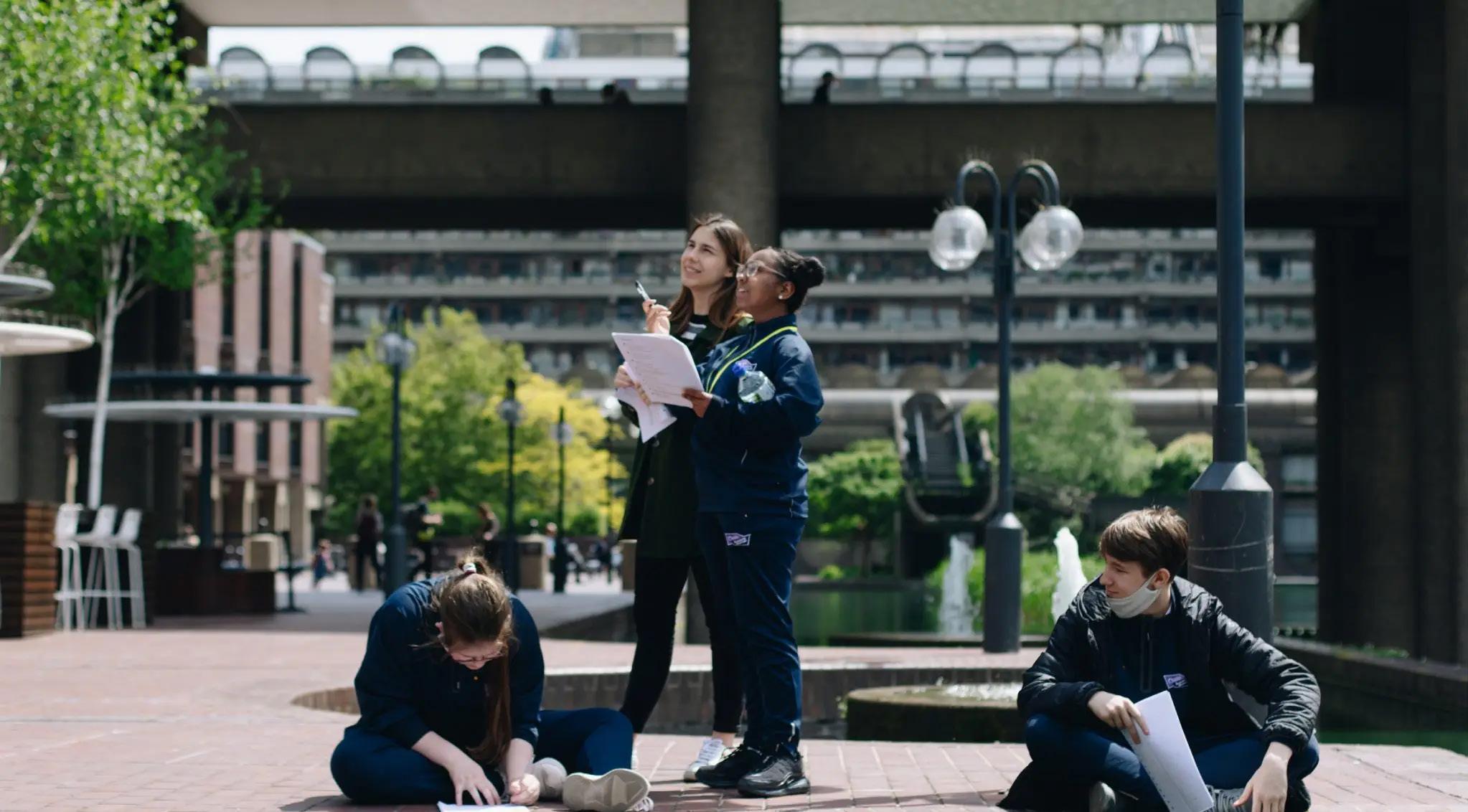
The key strategy of this experiment is to take a group of participants out of a traditional educational environment into a shared urban space, ideally a neighbourhood that is familiar to the participants. This shift should be experienced as a deliberate process, highlighting a clear contrast from their previous environment.
For this approach to be successful, we need to follow participatory approaches of co-designing and co-creation. Participants need to be involved from start to end: what are we looking for, where are we going to, and how are we going to collect data and create knowledge?
This will ensure everyone is fully involved and engages with the group and the environment.
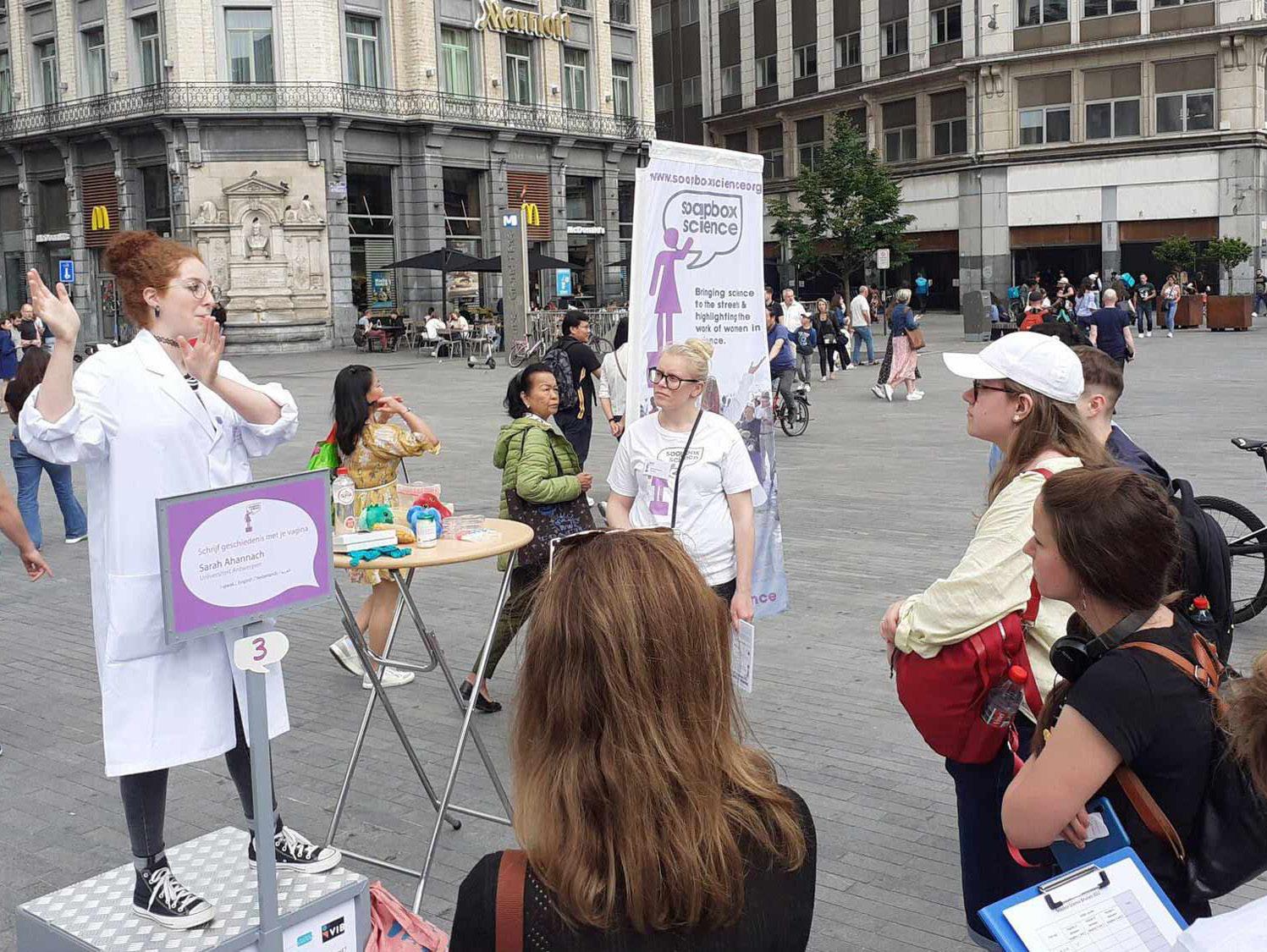
Though not essential, using smartphone apps or other tools (such as analogue (!) maps) to track movements and data can be beneficial. Collaborating with other stakeholders (such as local administration, civil society groups, universities, schools, and community organizations) can enhance the impact and provide valuable insights.
Further Suggestions
There are multiple ways to carry out this experiment, depending on your location and context.
The most important factor is to consciously move out of an institutionalised space and immerse yourself in the urban environment
A simple approach could begin with a joint walk, reflecting on your observations and how these relate to your educational experience. This can serve as a first step in the process of co-designing an educational activity. For instance, you might notice a lack of recycling facilities. This observation can lead to a mapping exercise, followed by more active engagement with community members. Using the example of recycling bins, consider questions like: Are there better locations for these bins? Is there a need for more bins? How does the recycling system actually work? Who uses the bins, and why are they often used incorrectly? Speak to the users, develop ideas, present your findings to local politicians, and organize initiatives to enhance recycling. This process generates data, improves the environment, and creates knowledge – There are many ways to utilise the neighbourhood!
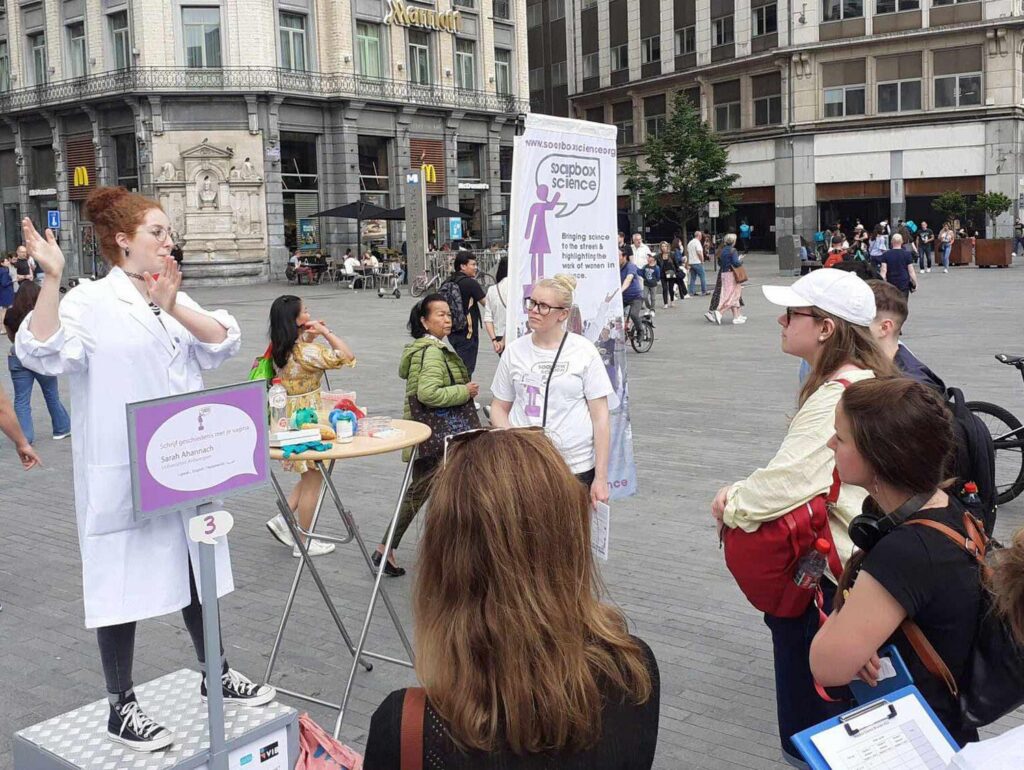
You can approach this experiment with varying levels of intensity:
- Exploring without engaging – just observing and reflecting on the neighbourhood.
- Exploring with mapping or other forms of notation and a deeper focus on a theme that is relevant to the neighbourhood
- Deeper engagement with other community members and active dialogue across many stakeholders
All this has the potential to evolve into a proper “Citizen Science” project. Citizen science is an emerging practice in how science is performed that encourages citizens to get involved in research tasks. It is one of the cornerstones of open science and, at the same time, a way to explore new areas of interest for the wider community. It is considered a key strategy for the success of transformative science with more significant social commitment, facilitating cooperation with different stakeholders in civil society. It represents an opportunity for communities and citizen organisations to find new ways to thoughtfully engage in actions and policies on socially relevant issues
But initially, you might just take it easy: just stroll and create a shared experience.