
Case Study in Brief
Description
This interactive STEAM activity uses guided role-play, brainstorming, and discussion to explore and challenge gender stereotypes. Participants are divided by gender and, in their groups, they consider societal expectations across various categories (such as education, hobbies, careers, emotions) for men versus women. They then swap perspectives to examine the stereotypes of the opposite gender, and even create an exaggerated “ideal” male or female character to highlight how unrealistic these expectations can be. Finally, the groups come together to reflect on what they learned and discuss personal experiences.
The objective is to foster critical thinking and empathy regarding gender norms: by actively engaging in seeing the world from another gender’s point of view and discussing it, participants become more aware of implicit biases and imagine more inclusive possibilities beyond traditional roles.
Dispatch From the Field
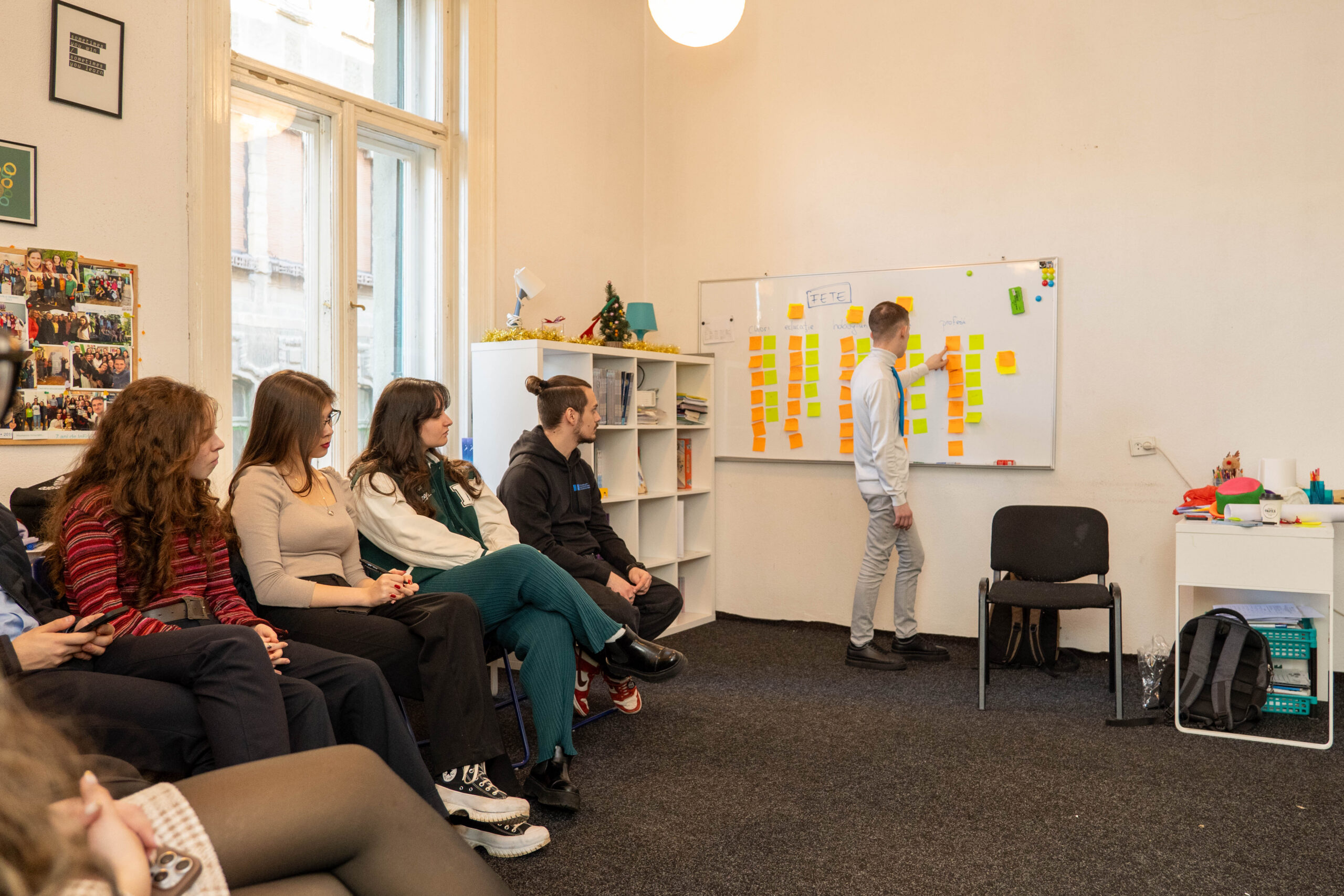
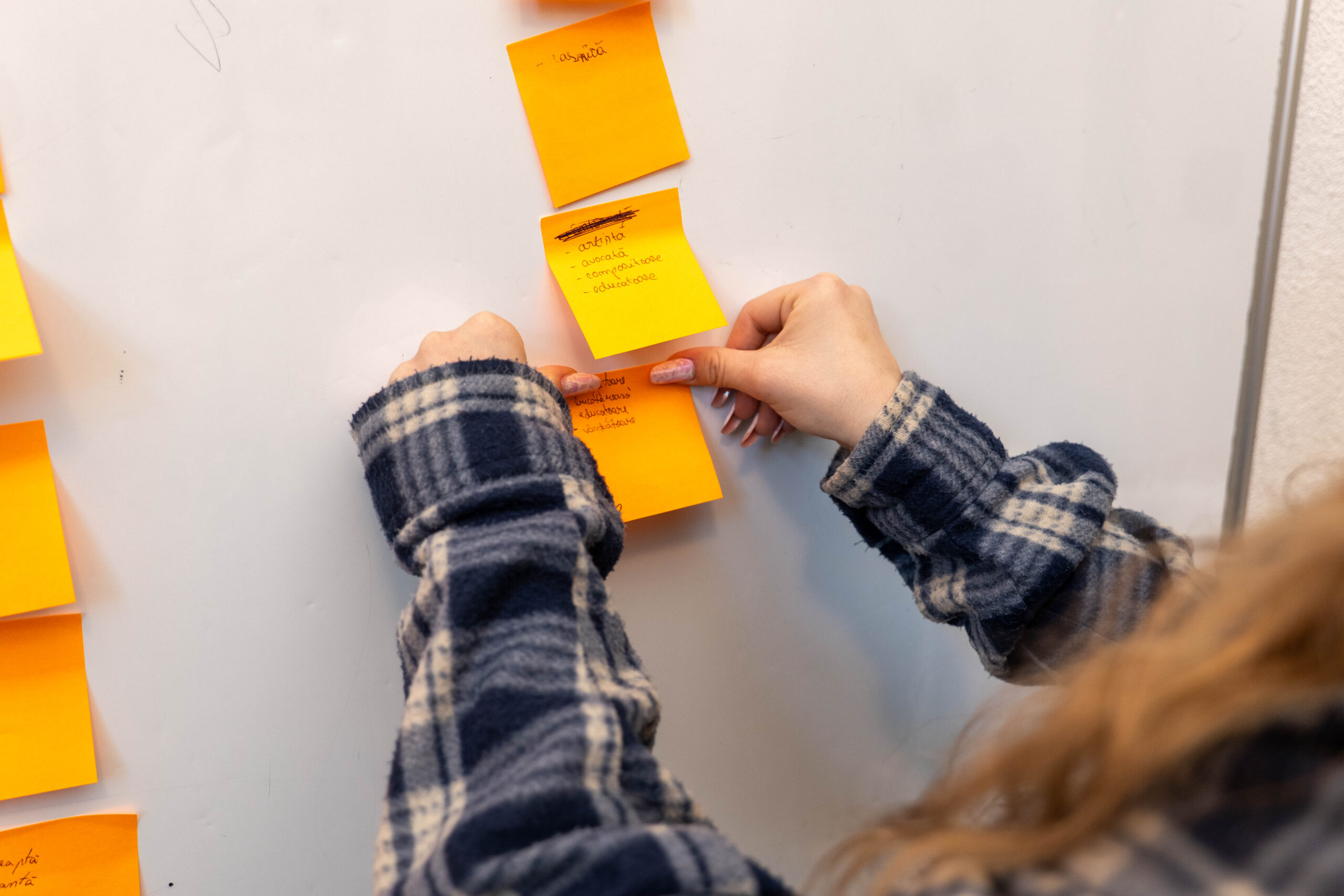
The main activity was adapted uniquely for this group: participants actively embodied the stereotypes associated with their gender, offering deeper experiential insights and the activity had 2 facilitators. We divided the twelve participants into gender-specific groups, one female and one male. Each group considered societal expectations related to categories like Education, Careers, Hobbies, Personality Traits, Household Roles, and Appearance, initially focusing on stereotypes related to their gender. For example, the female group discussed expectations like being polite, prioritizing family over career, and stereotypes about limited abilities in STEM fields, whereas the male group discussed expectations of emotional strength, high-income careers, and restricted emotional expression.
Following this introspective phase, groups switched perspectives to consider stereotypes faced by the opposite gender. This perspective shift allowed participants to critically examine and empathize with the societal pressures faced by the opposite gender. Participants notably remarked on challenges such as societal pressure on men to never show weakness and heightened judgment women face regarding their appearance.
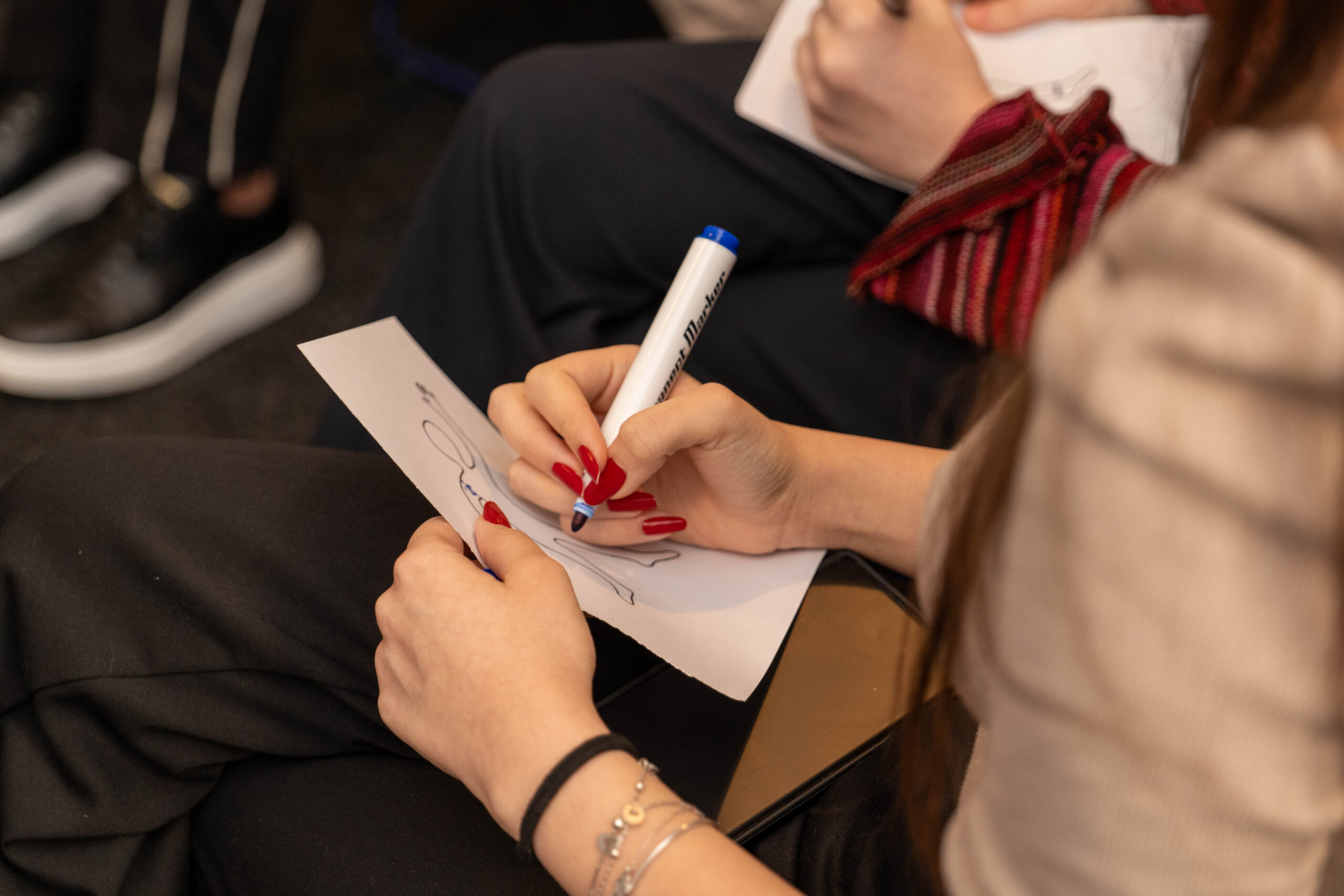
To creatively illustrate and critique these stereotypes, participants created exaggerated “perfect” gender caricatures. This humorous task underscored the unrealistic and oppressive nature of societal expectations, promoting empathy and deeper understanding among participants.
The concluding large-group discussion allowed participants to openly share personal experiences and reflect on newly gained insights. They recognized their role in perpetuating stereotypes and committed to challenging these biases actively. Participants discussed actionable steps like confronting stereotypes in everyday life, supporting peers pursuing non-traditional roles, and confidently pursuing personal interests regardless of societal expectations.
Finally, participants revisited their initial emotional check-in using blue markers to represent their feelings post-discussion. The notable shift towards empowerment, positivity, and openness visually captured the session’s impact. Feedback indicated the participants appreciated engaging in meaningful dialogue within a supportive environment and expressed interest in regularly incorporating such activities within educational institutions.
Overall, this adapted Gender Roles activity not only met its educational objectives but also fostered personal growth, critical awareness, and social empathy among participants.
Practical Details – Facilitator’s Notes
How did you modify the activity?
No modifications were made to the parent suggestion of 60-70 minutes total.
How did you organize the space?
We used one large indoor room arranged flexibly to support both breakout and plenary moments. The session began with all participants in the center for introductions and warm-ups. For the main stereotype activity, we divided the room into two zones, one for each gender group, using tables, chairs, and soft background music to reduce cross-talk. Each area had flipcharts, sticky notes, and markers, with prompts like Education, Careers, Hobbies, Emotions, Household Roles, and Appearance posted visibly. Two facilitators moved between zones for guidance. Later, the space was reconfigured into a circle for group sharing, creating a comfortable, inclusive environment throughout.
Who did you work with?
The group consisted of 12 motivated teens, aged 16–17, from an urban community center in Bucharest who had signed up voluntarily for the lab series. They had expressed interest in gender equality and social inclusion beforehand, making them well-suited for this activity. With an even gender split and no non-binary participants, we confirmed comfort with temporary gender-based grouping. While initially reserved, the participants quickly warmed up, especially within single-gender discussions, where quieter voices found confidence. They came from diverse social and cultural backgrounds, yet engaged respectfully and with curiosity, showing maturity, openness, and strong peer-to-peer dialogue throughout the session.
What resources did you use?
We used large flipchart papers and bold markers for group brainstorming, drawing, and presentations, with different colors to separate self and opposite-gender stereotypes. Pre-written category prompts and example questions kept discussions focused. Sticky notes and extra drawing supplies allowed for creative and reflective expression. A whiteboard helped summarize key points during group sharing. We included an emotional check-in wall with red and blue markers. Timing tools and a soft chime maintained flow. We documented outputs with consent and offered an optional handout on gender stereotypes.
What did you learn?
We learned how powerful it is to provide a safe space for teens to explore gender stereotypes openly. Once comfortable, participants engaged deeply, showed empathy, and challenged each other’s biases constructively. The role-reversal task sparked genuine insights, revealing the pressures both genders face, such as the stigma around boys showing emotion or the expectation for girls to prioritize appearance.
Humor, like the “perfect character” drawings, helped balance serious discussions and encouraged creative expression. The group’s respectful, peer-led dialogue showed that structured, yet flexible formats work best.
Another key lesson was the value of trusting the group to self-correct misinformation when given the chance.
We also realized the importance of having clear ground rules, which ensured that even strong opinions were shared respectfully. Teens are eager to discuss real issues, they just need the opportunity.