

Activity in brief
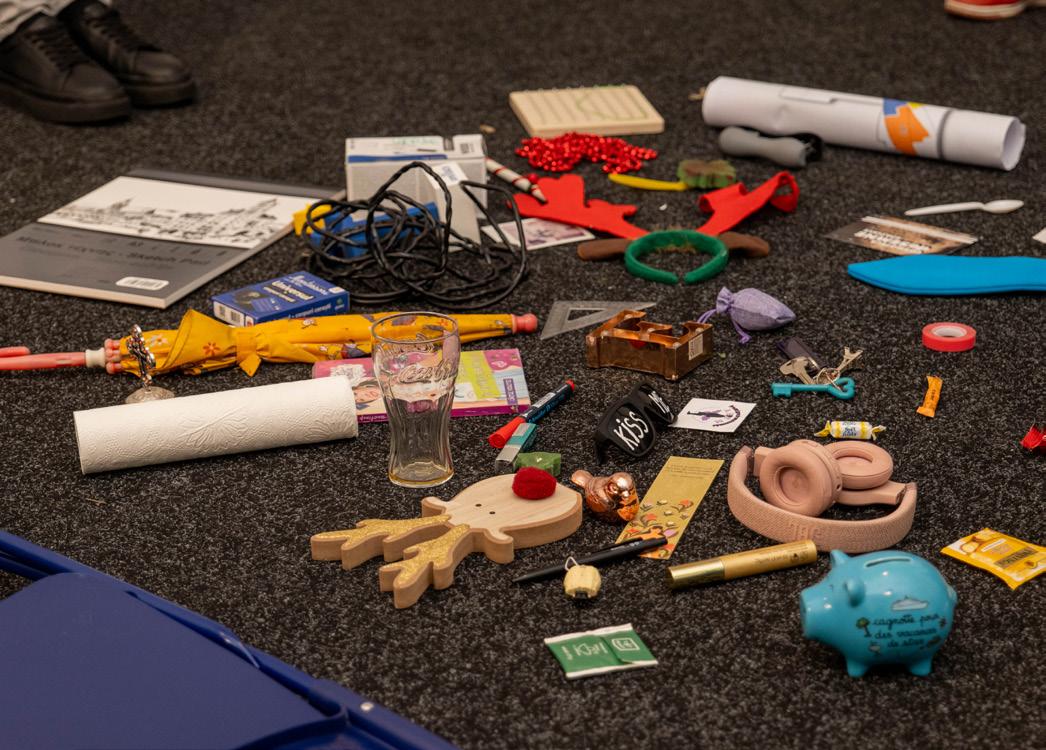
The Art of Measuring uses creative, body-based activities and everyday materials to explore innovative ways of measurement. Participants experiment by measuring space, temperature, and time using their bodies and senses, then develop personalized measuring practices. Through hands-on exercises and group discussions, students reflect on historical and personal approaches to measurement, connecting STEAM concepts with daily experiences. This arts-based approach encourages critical thinking, creativity, and deeper understanding of how measurement shapes our understanding of the world.
Detailed instructions
Preparation (10–15 minutes)
- Prepare empty tape measures (or paper strips) for each participant.
- Gather materials sensitive to temperature changes (e.g., ice blocks, chocolate, chewing gum strips).
- Collect and prepare a container to seal away participants’ watches and phones during the activity.
Activity 1: Measuring Space (15–20 minutes)
- Begin by discussing historical methods of measuring space (feet, hands, “Elle”).
- Distribute empty tape measures; participants choose a body part (hand, foot, arm) as a personal measurement unit.
- Participants create their own tape measure using this chosen reference, then measure distances around the room.
Activity 2: Measuring Temperature (20–25 minutes)
- Start by experiencing various temperatures with the body; participants estimate and describe sensations of warmth or coldness.
- Briefly discuss historical temperature measurement methods (early thermometers).
- Provide prepared materials sensitive to temperature (e.g., ice, chocolate, chewing gum).
- Groups invent their own alternative thermometers by observing how these materials visibly change with temperature.
Activity 3: Measuring Time (20–30 minutes)
- Discuss historical methods of measuring time (sand, water, shadow, daily routines).
- Collect and seal all watches and phones away.
- Participants collaboratively define and measure “one hour” using a collective action (e.g., each student spends what feels like two minutes performing a simple task).
- Afterward, reflect together: How did this alternative method affect their perception of time? Would this change the experience of learning together?
Activity 4: Measuring Well-being (20–25 minutes)
- Briefly introduce the idea of measuring well-being using examples like Bhutan’s “Gross National Happiness.”
- Activate senses by providing sensory materials (colored foils, scents, textured objects).
- Participants identify personal sensory preferences (e.g., favorite sounds, visuals, smells, textures).
- Create a matrix comparing these preferences with the sensory qualities of their current surroundings. Discuss the match percentage and ideas for improving environmental well-being.
Activity 5: Measuring Group Dynamics (15–20 minutes)
- Discuss how group dynamics influence collective well-being.
- Introduce a non-competitive activity such as collective counting (the group counts from 1 to 20 without predetermined order; restarts if simultaneous counting occurs).
- Afterwards, discuss: How did this activity reflect group harmony? Could similar games help measure group well-being?
Practical details
Duration
60–90 minutes per activity, flexible guidance; activities can be spread throughout one week, one per week over a month, or conducted individually. The full series comprises two distinct parts, each of which can also be implemented separately.
For Whom
This activity is suitable for children, but the second part is also ideal for groups of both children and adults. It applies to generic audiences (schools, youth groups, adult workshops), particularly teams who regularly share the same environment, such as during team-building events.
Space requirements
A simple indoor or outdoor space works best, requiring minimal equipment. Part two of the series is about measuring a group’s well being in a certain environment. This is more meaningful if the group convenes regularly in the environment, like students in a school or colleagues in an office.
Materials needed
Activity 1 (Measuring Space):
- Empty tape measures (one per participant, can be paper strips or rolls)
Activity 2 (Measuring Temperature)
- Materials visibly affected by temperature changes (e.g., ice blocks, chocolate, chewing gum strips)
Activity 4 (Measuring Well-being):
- Sensory materials (items with distinct smells, textures)
- Colored foils or glasses for visual sensory exploration
Recommended Feedback tools
We recommend using fast networking to facilitate reflection before and after the workshop. If you are working with the group over a longer period, you could use flashlight feedback as a closing ceremony after every working session.
Consider your participants
Sensitive Materials: Activities 3 to 5 involve substantial verbal interaction. Participants might face language or literacy challenges, so offer simplified instructions, visual aids, and encourage group collaboration or non-verbal storytelling as alternatives.
Inclusivity and Access: Ensure the activity environment is welcoming and supportive. Establish ground rules for respectful listening and sharing. Mix participants of varying verbal skills and backgrounds to promote inclusive interactions and diverse perspectives.
Adaptability: Activities progressively increase in complexity, but each includes simpler, playful variations to suit different learner groups. Adjust verbal elements to fit participants’ comfort levels, break discussions into smaller segments, and provide interactive or hands-on alternatives.
Keep the conversation going
Encourage Questions: Start activities by demonstrating interesting measuring devices or creative measurement examples (e.g., balloons measuring lung capacity, personalized measuring cups). Pause regularly to clarify instructions, check understanding, and encourage curiosity.
Invite Personal Stories: Use group discussions and pair-work to invite participants to reflect on personal experiences related to measurement, especially the blurred line between measurement and grading. Encourage them to share insights into how being graded or measured affects their feelings and how creating their own measuring methods could change that experience.
Keep It Moving: Allow playful detours or experiments (e.g., creating measurement devices, exploring social science methods). Keep participants engaged with interactive tasks, short breaks, or by gamifying measurement activities. Offer flexibility by allowing groups to explore what else affects their well-being, potentially expanding into broader research projects or discussions about evidence production.
Please note that this activity is provided for personal educational, informational and convenience purposes only, is general in nature and is not intended as a substitute for professional, legal, or medical advice.