
Activity in brief
Gender Portraits uses photos, collages, and discussion to explore stereotypes about scientists. Participants receive pictures of male and female scientists from various backgrounds and a variety of everyday objects. They create new “portraits” by attaching objects, revealing assumptions about who can succeed in science. Afterwards, they reflect and modify one aspect to imagine a more inclusive future. This arts-based approach is designed to facilitate critical thinking and awareness of gender roles in STEM.
Detailed instructions
Preparation (5 minutes)
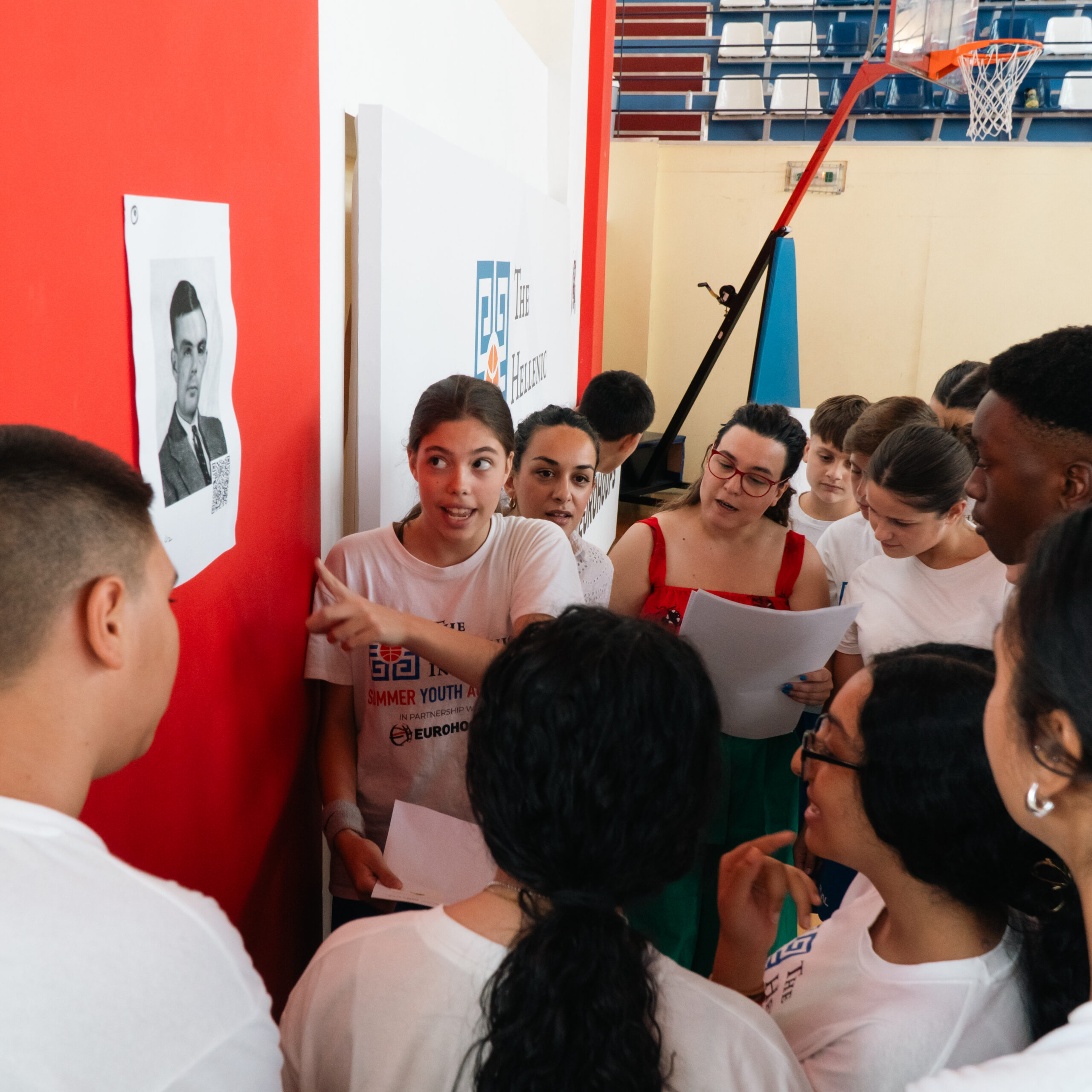
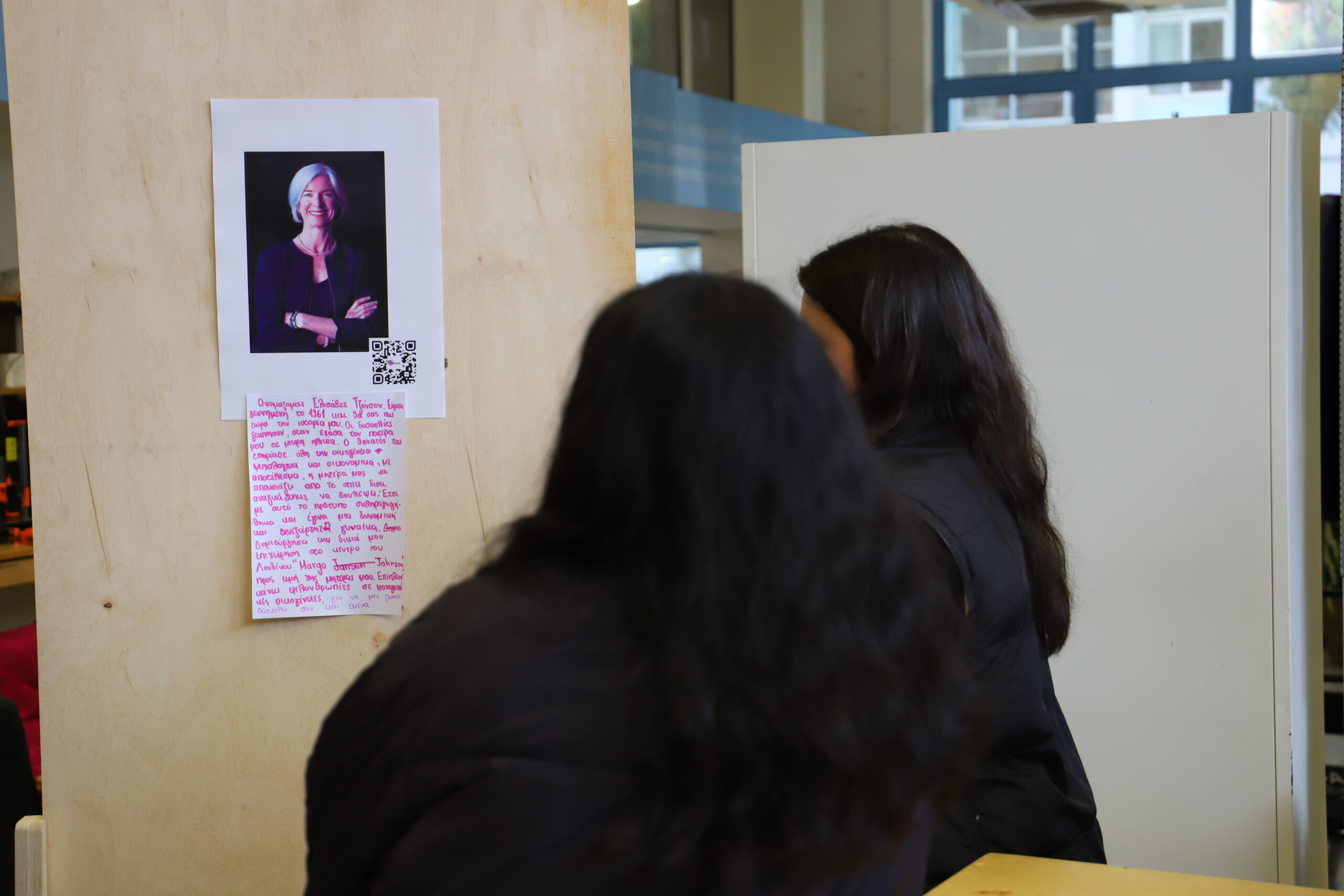
- Collect 10–12 pictures of scientists and place them on walls or on the floor where participants can see them.
- Display 50–60 everyday objects on a central table .
- Provide glue or sticky tack for attaching objects to the pictures.
Introduction (5 minutes)
- Briefly explain the purpose: to explore how we imagine scientists and their daily lives.
- Encourage participants to keep an open mind and be creative when choosing objects for each portrait.
Collage Creation (15–20 minutes)
- Ask each participant (or small groups) to pick a portrait and select objects that, in their view, represent that scientist’s life, work, or personality.
- Instruct them to attach the objects to the portrait in any way they like, following guiding questions such as: “What does this scientist need? Where might they work? What tools or symbols might matter most to them?”
Gallery Walk & Short Writing (10–15 minutes)
- Once the collages are finished, have participants walk around to view all the portraits.
- Organise them into pairs or small groups and ask them to write a short, 1–2 sentence “bio” for one portrait based on what they see.
Reflection & Modification (10–15 minutes)
- Invite everyone to share one surprising or revealing aspect of a portrait.
- Discuss and highlight the actual achievements of the scientists.
- Encourage participants to modify one feature (e.g., remove an object or add a new positive symbol) to reimagine a more inclusive or supportive context for each scientist.
- Conclude with a group discussion on how stereotypes might affect our perceptions and what an inclusive view of science could look like.
Practical details
Duration
30-60 minutes, rough guidance, you need to leave space for participants to set up, look at the different portraits, discuss and tidy up.
Space requirements
A spacious, well-lit room works best. Arrange any furniture in a way that allows participants to walk around comfortably, view the portraits, and attach objects without feeling crowded. Arrange a central table or clearly visible open area for displaying the materials if possible.
For whom?
This activity is suitable for small groups of both children or adults and it applies to generic audiences (schools, youth groups, adult workshops, and community programs seeking to explore gender and science through creative expression
Resources needed
- Scientist Pictures: 10–12 photos of men and women scientists from various ethnic backgrounds (names and bio of the people is included on the back of the picture. )
- Everyday Objects: 50–60 items selected from the explicitly violent (e.g. gun, bullet, knife) to the seemingly benign (e.g. a feather, a rose; a loaf of bread); from the explicitly domestic (e.g. an apron; a spoon; a nappy; a drill; a nail) to the commonly professional (e.g. a pen; a becker; a computer; a book; a jacket; a pipette; a surgeon’s knife; a dental drill.
- Adhesives: Glue sticks or sticky tack (Blu-Tack) to attach objects to the pictures.
- Writing Tools: Pens or pencils for creating brief bios or notes.
- Instruction Sheet: A short guide with prompts/questions (e.g., “What does this scientist need?”).
Recommended Feedback tools
If you have plenty of time, include this activity in the Gallery Walk facilitation format. If you don’t have much time, do a quick flashlight feedback session at the end.
Consider your participants
Sensitive Materials: Some items (e.g., toy guns, knives) can be upsetting for certain participants. Offer an option to skip any object if they feel uncomfortable.
Inclusivity and Access: Make the space physically accessible to individuals with mobility needs (e.g., no steep stairs, available seating). Provide a welcoming atmosphere so everyone feels safe to share and collaborate.
Adaptability: Be flexible with time and instructions to accommodate different learning speeds, ensuring all participants can fully engage.
Keep the conversation going
Encourage Questions: Pause occasionally to check if anyone is confused or wants clarification.
Invite Personal Stories: Ask participants if any object reminds them of their own experiences to spark deeper connections.
Keep It Moving: If energy dips, switch tasks, have a quick stretch break, or rotate the photos to keep interest high.
Please note that this activity is provided for personal educational, informational and convenience purposes only, is general in nature and is not intended as a substitute for professional, legal, or medical advice.