



Case Study in Brief
Description
We lead a participatory project on the climate crisis that uses photography as a tool for inquiry, exploration, mapping, reflection and action. Through photos and personal stories, students explore emotions, facts and relationships tied to climate change, as well as the people and places where they live and learn. They highlight needs and share ideas about how they want to act and bring change. This photovoice activity creates a learning environment where young people challenge dominant climate narratives, imagine their future cities and take meaningful steps within their communities
Dispatch From the Field
Project planning and community building (2 hours)
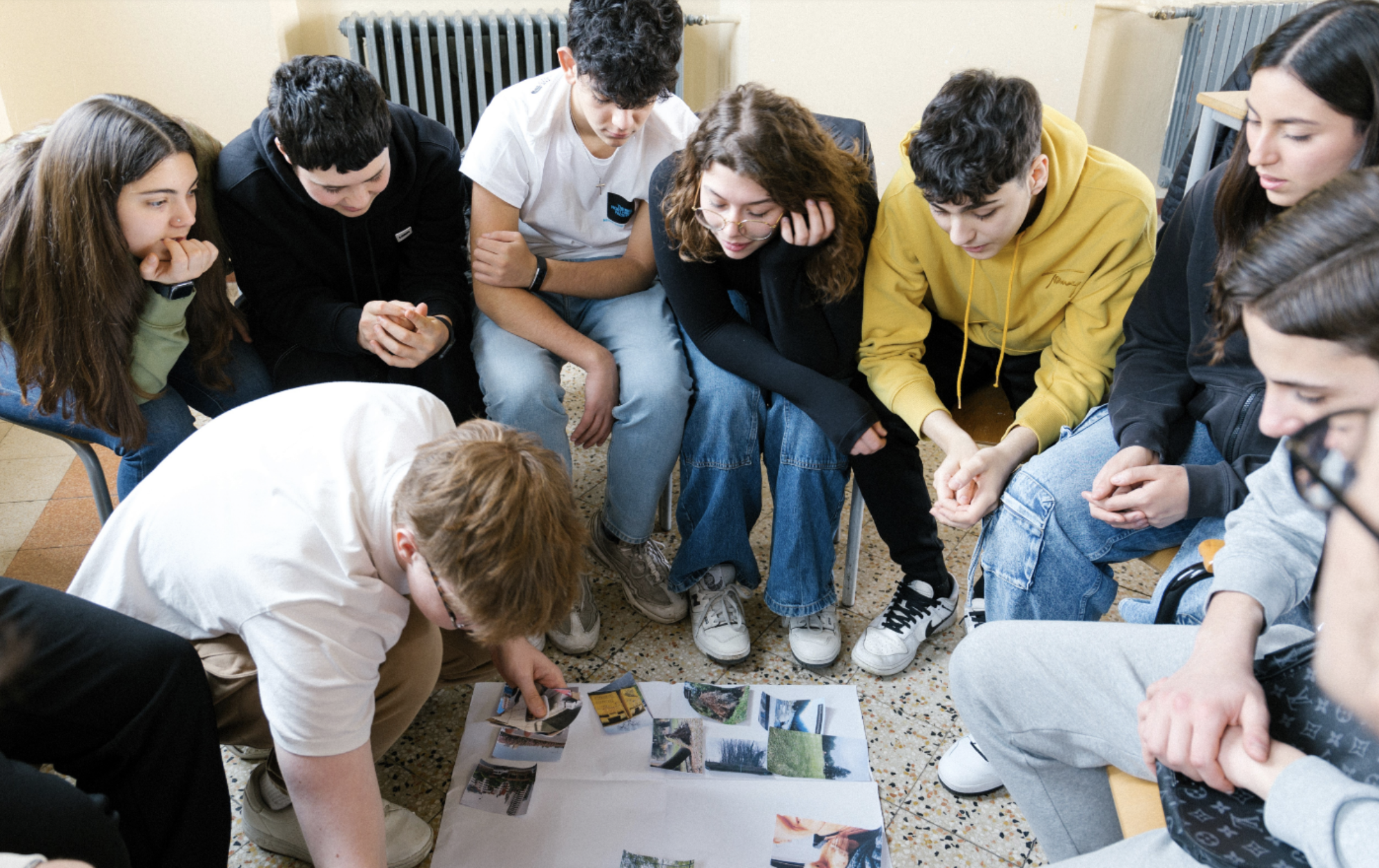
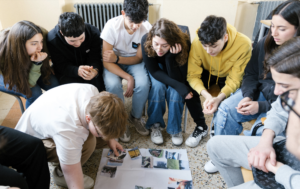
We start by forming a welcoming circle and using a simple icebreaker (15 minutes). For example, we ask students to position themselves in the space based on how they answer a question that reveals shared experiences or interests. Before the session, we ask each student to bring a personal photo that shows their connection to the environment or their city. In small groups (30 minutes), students present their image and share its story. We collect all the photos and display them in a collective installation that stays visible throughout the sessio . We then run a world café discussion (60 minutes) with five open questions about the climate crisis. To close, we present the full programme and timeline (15 minutes) and invite feedback so we can adapt the activities to students’ interests. We also hand out a brief climate crisis questionnaire, which we repeat at the end of the project to track changes in understanding, ideas and perceptions.
Climate literacy & photography workshops (4 hours total)
Climate (2 hours): With support from climate experts, we set up a gallery walk with 5 to 10 stations. Each one includes an open question and a hands-on, creative activity based on insights gathered from the first session. Students move through the stations in rotating groups, discuss what they find, complete the tasks and note any new questions or ideas. We share and reflect on these insights as a group.
Photography (2 hours): With a professional photographer, we guide students through an investigative photo session. They respond to a question linked to their school setting. After capturing their images, they discuss both the literal and symbolic meanings, and learn how composition shapes strong visual messages.
Defining the photographic exploration (1–2 hours).
Reconvene to transform broad themes from previous sessions into one or two concrete photography questions. Organise small groups to draft and refine prompts and agree on the final question(s) that will guide the fieldwork e.g., “How does extreme heat affect our neighbourhood?” or “Where do we find opportunities for local climate action?
Photography phase (2 weeks)
Students observe their daily routines, such as commutes, after-school activities or spaces near school, and produce three photos that directly respond to the agreed questions. We provide a shared folder and a simple template for noting down ideas and photo locations. If needed, we schedule online check-ins with the photographer and climate experts to support both technique and topic exploration.
Analyse and code the data (3–4 hours)
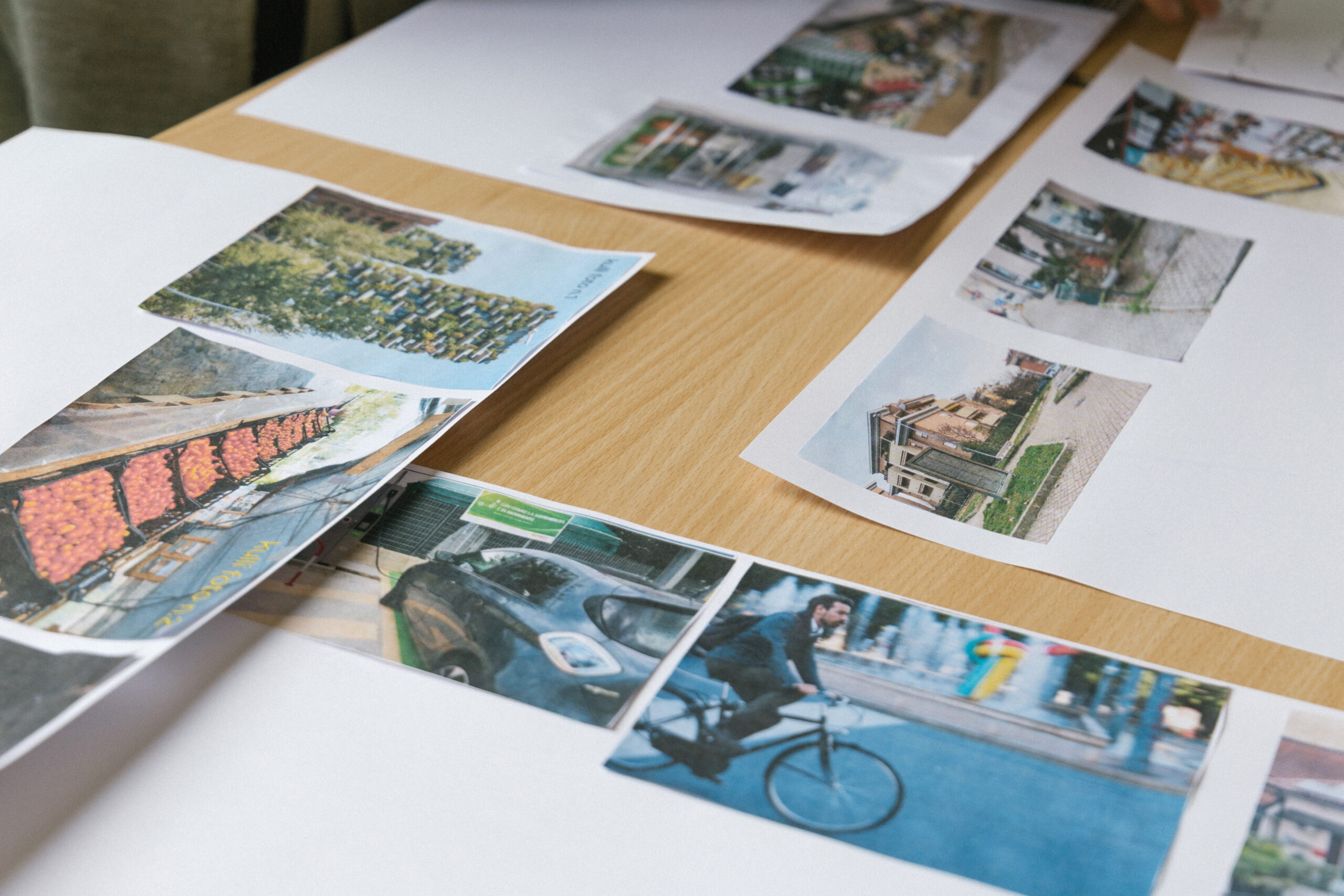
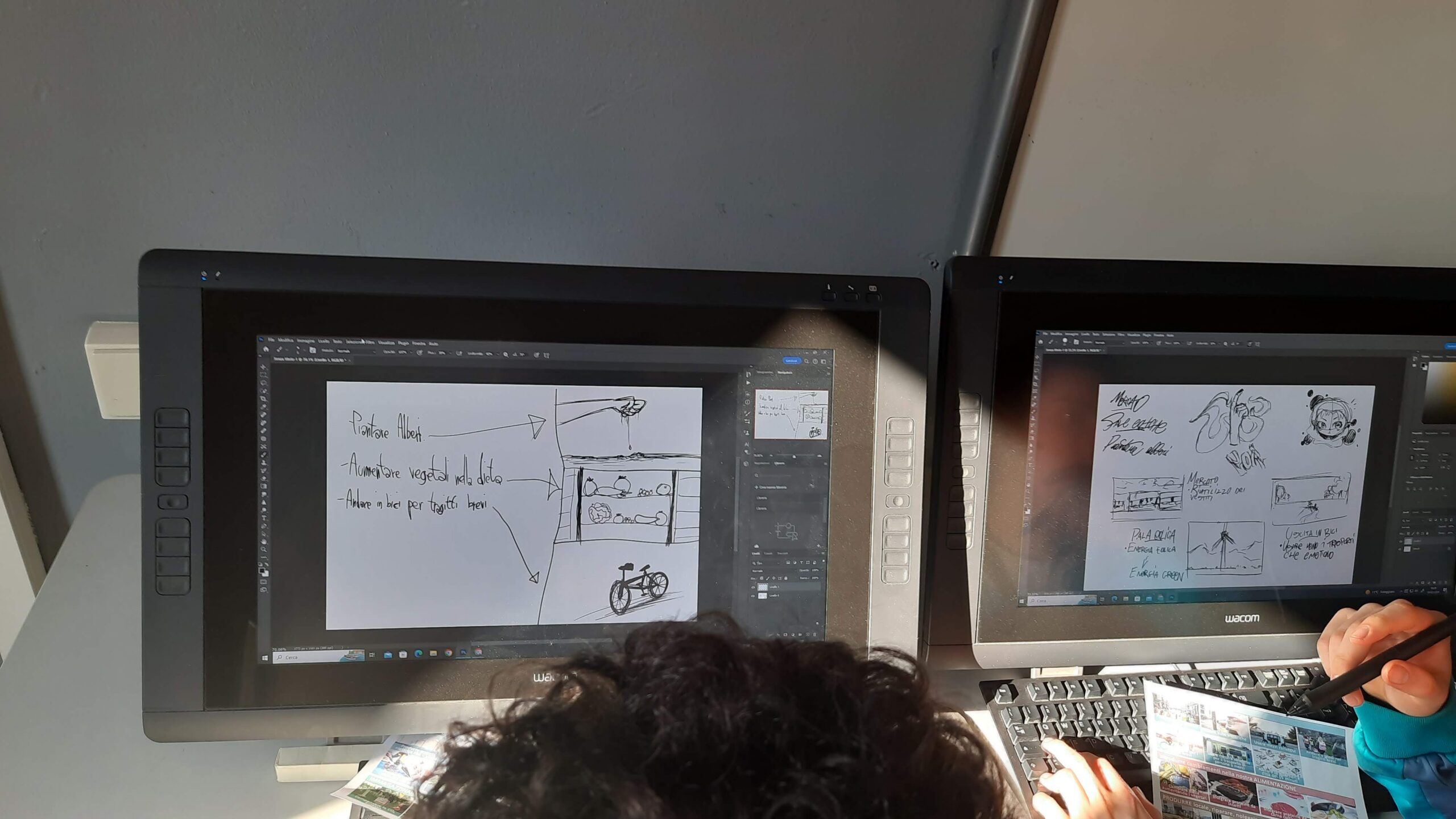
We hold a group session where students present their photos and explain their choices. Each student titles and captions their photos. Together, we identify common themes or keywords and sort the images accordingly. In small groups, students select key photos, write the accompanying narratives and create an action plan with specific proposals, roles and a timeline.
Communication (2–3 hours)
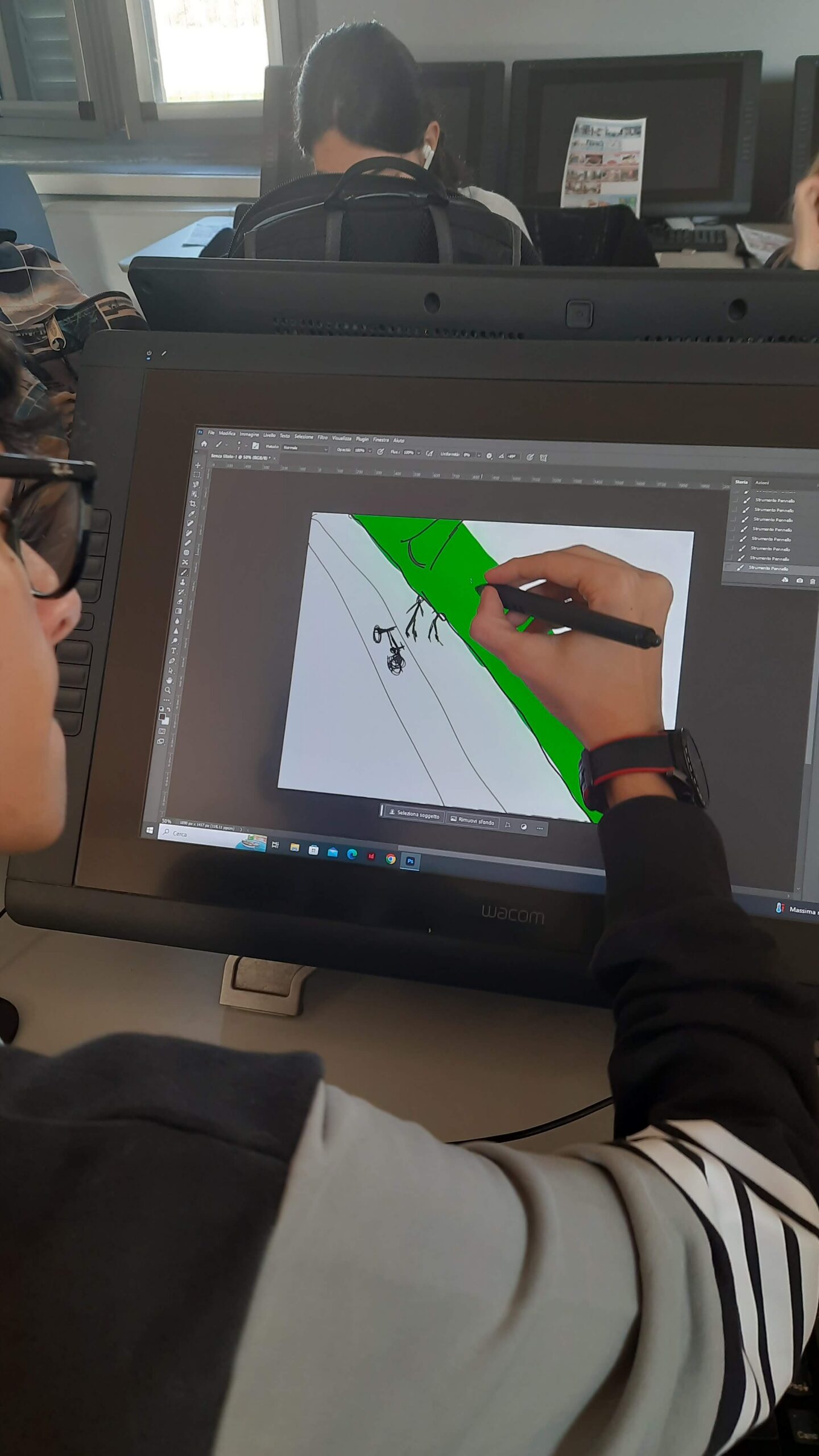
To close the project, students create a digital photovoice report, such as a shared slideshow or a small website, and/or set up a public photo exhibition. At the opening event, students, teachers and local stakeholders view the photos and discuss how to move forward with the action plan. This final gathering turns students’ ideas into real climate action in their communities.
Practical Details – Facilitator’s Notes
How did you modify the activity?
We adjust the project length to fit the local school context. Since photovoice must grow from real experience, we keep the number of sessions minimal but keep the full structure. This lets us explore climate change in ways that connect to each student’s city life, while still respecting school schedules. The adjusted timeline allows meaningful participation without overwhelming anyone and keeps the full process, from inquiry and fieldwork to reflection and action, intact.
How did you organize the space?
We organize the physical space to match each activity phase. We hold sharing sessions and group meetings in familiar areas like classrooms and school libraries to create a welcoming environment. We host photography workshops in different school spaces, including courtyards, to offer new views. For the photo sessions, students explore the city itself, the places and relationships that shape their daily lives. We hold the final exhibition in a local community venue.
Who did you work with?
Two classes of 16 years old students and their teachers from an Italian vocational school and a high school
What resources did you use?
Students use their mobile phones to take photographs. For the sharing and exhibition stages, we print selected images and use posters, markers and basic supplies to help organize displays, note themes and support group work.
What did you learn?
We involve students in every step, from framing the questions to planning actions. This not only builds a sense of ownership but also makes sure the outcomes reflect their learning, vision and ideas for climate-just communities.
Related Case Studies
-
Photovoice
Activity in brief Discover how participants are storytellers, advocates, and changemakers in this STEAM-based learning sequence. Using the participatory-action research method of photovoice, they explore ... Read more
-
Heat Walks
Activity in brief Participants will explore urban heat challenges through citizen science. The activity includes interactive discussions about participants’ local neighborhoods, the role of public ... Read more