
Activity in brief
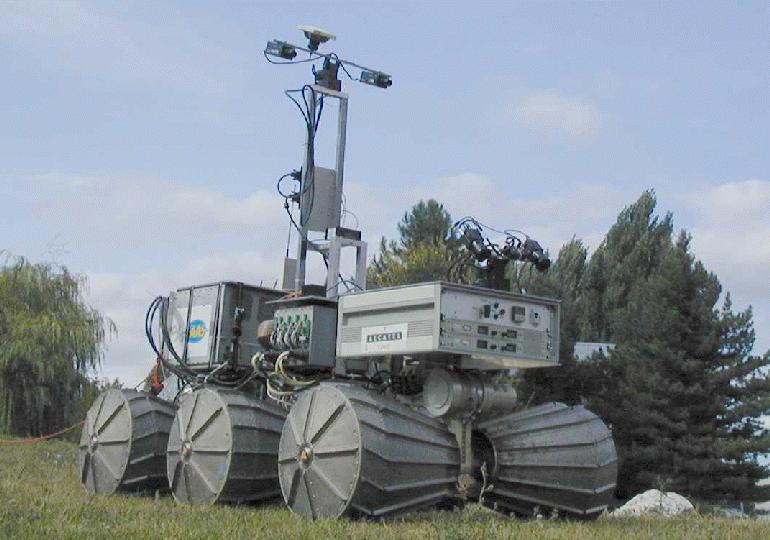
Extraterrestrial life uses imagination, craft materials, and guided discussions to explore the physical conditions required for life on other planets. Participants receive information about nearby planets and various hypothetical planetary conditions. They then design and build original creatures adapted to these environments, carefully considering three essential needs: eating, movement, and shelter.
This creative, hands-on approach encourages students to reflect critically on their scientific knowledge of planetary environments while using arts-based methods to conceptualize how life could adapt to different physical conditions.
Detailed instructions
Preparation (5–10 minutes)
- Arrange tables in groups within a makerspace room, placing craft materials at the center of each table.
- Prepare small cards marked with planet or moon names to randomly pair students.
- Have a short, engaging introductory presentation ready and background music playing softly to create a welcoming environment.
Introduction (5 minutes)
- Introduce the activity briefly: Imagine scientists have discovered life on Mars, Jupiter, and Europa.
- Explain the goal: students will create creatures adapted to these extraterrestrial environments, focusing on specific adaptations to conditions on each planet or moon.
Group Formation (5 minutes)
- Distribute cards randomly to students, who then find partners with matching planet or moon cards.
- Each pair joins the corresponding table labeled with their planet or moon.
Creature Creation (20–25 minutes)
- Provide groups with a written description of their assigned planet or moon.
- Ask groups to discuss and agree on key physical conditions important for survival on their planet.
- Guide their creation with three critical adaptation questions:
- How does your creature eat?
- How does your creature move?
- How does your creature protect itself?
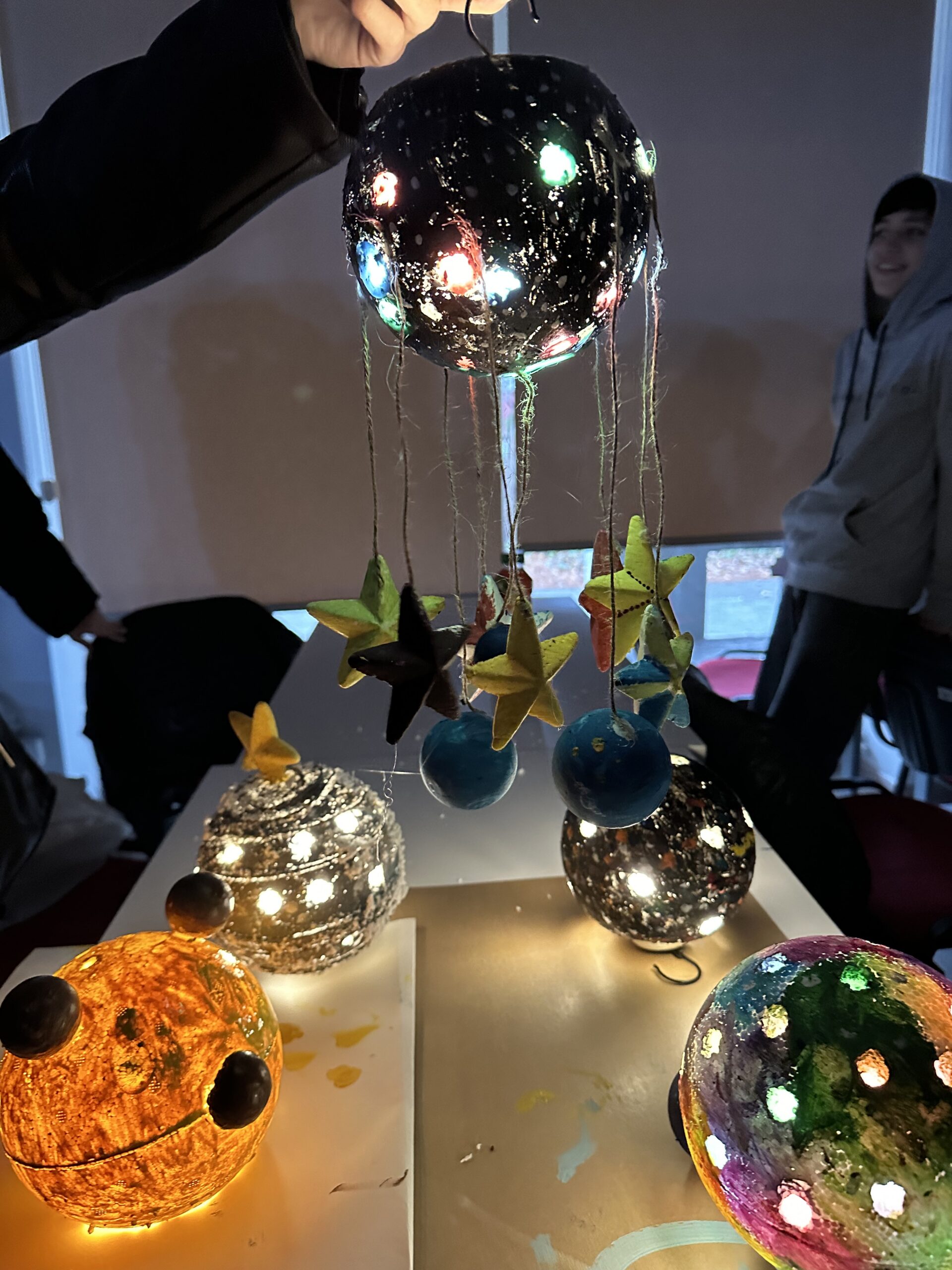
- Instruct students to use craft materials provided to build a physical representation of their creature.
- Encourage creativity by prompting:
- What size is your creature?
- Where exactly does it live?
- Does it move, and how?
- What unique properties does it have?
Naming and Display (5–10 minutes)
- Have each group choose two names for their creature—one Latin name and one Norwegian name. Once completed, instruct groups to arrange their creatures neatly on their tables.
Gallery Walk and Presentation (10–15 minutes)
- Invite each group to present their creature’s name and describe how it is adapted to life on their planet or moon.
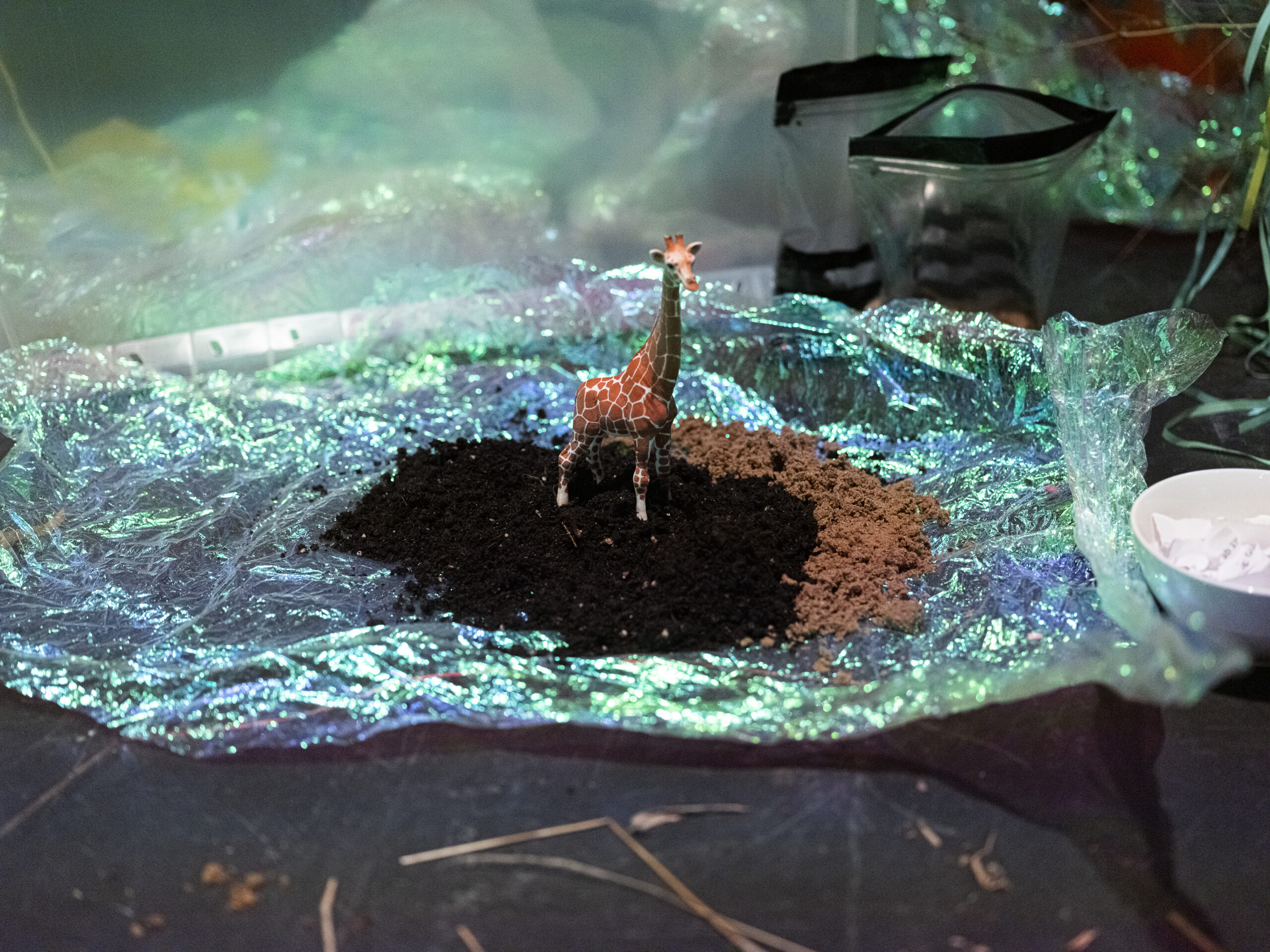
- Assist groups in placing their creatures into prepared museum-style planet landscapes, simulating the creatures being “released into the wild.”
- Conclude the activity with students presenting their creations to the whole class, sharing their imaginative adaptations and discoveries.
Practical details
Duration
60–120 minutes, rough guidance, allowing time for participants to set up, discuss planetary conditions, create their creatures, present them, and tidy up afterwards.
Space requirements
Ideally in a spacious, well-lit makerspace room with sturdy tables arranged for small groups. Participants should have comfortable space to work with craft supplies and move easily between the prepared planet exhibition spaces. If possible, include a visible screen for facilitator presentations.
Recommended Feedback tools
Try combining this activity with body mapping or use the Sense. manifesto as a card game to make it a really valuable learning experience.
For whom
This activity is suitable for small to medium groups of both children or adults and it applies to generic audiences. ( schools, youth groups, or community workshops seeking to creatively explore planetary science and adaptations to diverse physical conditions.)
List of Material needed
- Handouts of task and planet conditions
- Cards with number and planet – to assign random groups
- Craft materials – a range of possible materials to use, for example craft paper, cardboard, fabric, glue and glue gun, wire, pen, pencils, scissors, buttons, etc.
- Premade planet exhibition space (optional) – See pictures included.
Consider your participants
Sensitive Materials: Some planetary conditions or complex concepts (e.g., gravity, atmosphere, pressure) could be challenging or intimidating; ensure clear explanations and provide opportunities for support.
Inclusivity and Access: Arrange groups thoughtfully, mixing participants with different knowledge backgrounds to encourage peer support and shared learning, ensuring all feel comfortable contributing.
Adaptability: Be prepared to flexibly manage group pacing, reinforcing core tasks clearly if groups finish early, so all participants can fully engage regardless of their learning speeds or prior knowledge.
Keep the conversation going
Encourage Questions: Regularly pause to invite participants to ask questions or clarify their understanding about the planets and activity instructions.
Invite Personal Stories: Prompt participants to share personal experiences related to extreme environments (like intense heat or cold), helping them make imaginative connections to their planet’s conditions.
Keep It Moving: If interest or energy drops, introduce new elements like short clips, atmospheric sounds, or sensory prompts to refresh enthusiasm and maintain creative engagement.
Please note that this activity is provided for personal educational, informational and convenience purposes only, is general in nature and is not intended as a substitute for professional, legal, or medical advice.